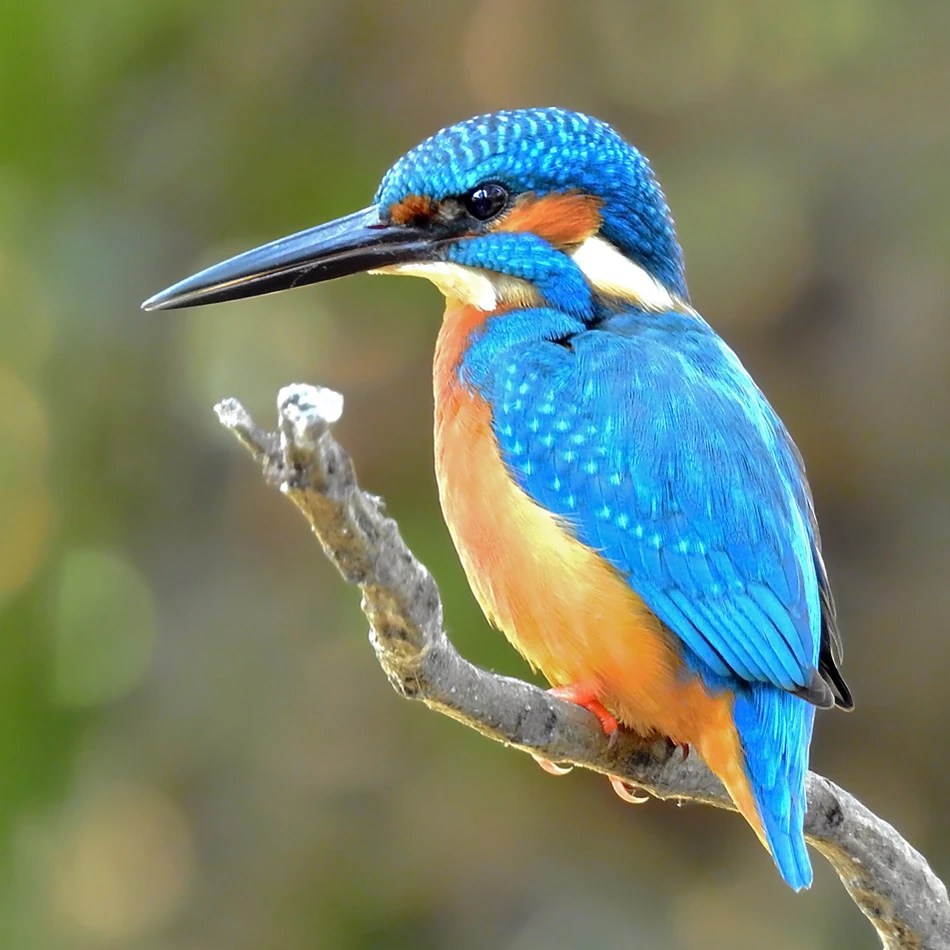
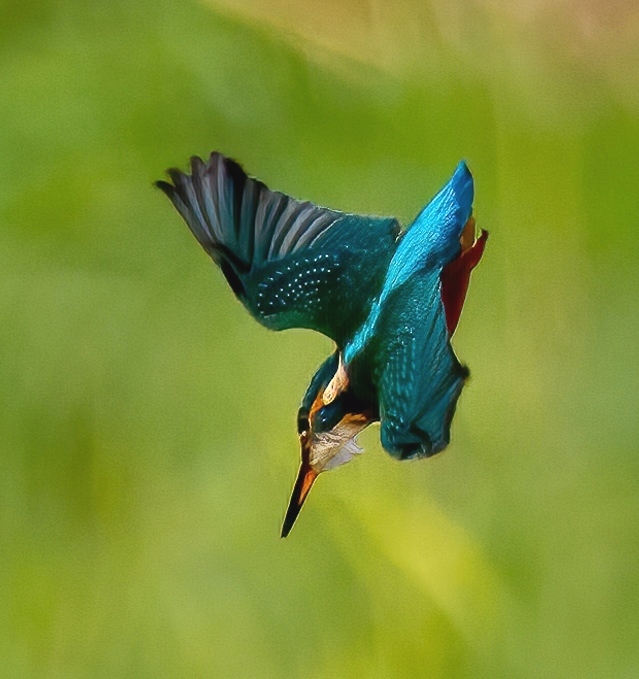
A Kingfisher, a brightly colored fish-eating bird with a large head, a dagger-like bill, which dives to catch prey
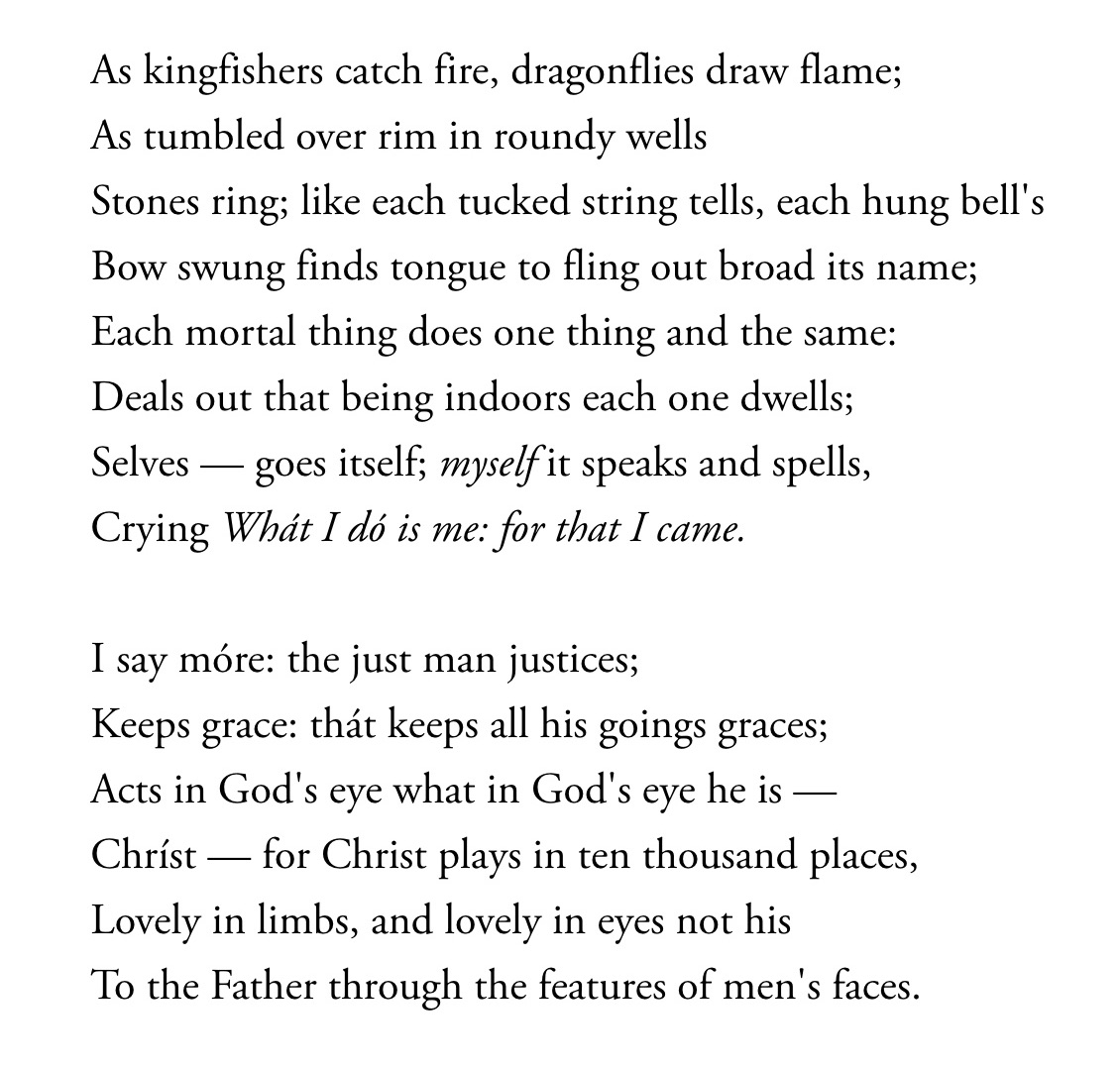
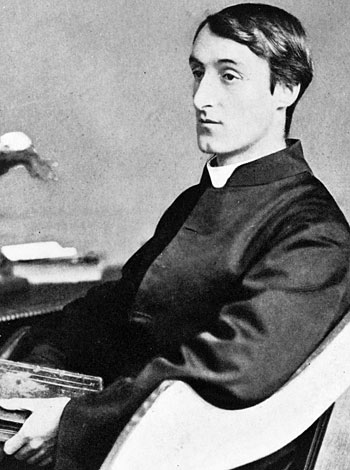
One of my favorite poems was written by the English poet and Jesuit priest, Gerard Manley Hopkins (1844-1889), from whom I have received inspiration in my continuing desire to glorify God by helping others perceive and give thanks for beauty. The poem from which I have borrowed my title for this post, provides a wondrous example of his gifts at work. I quote his poem here in full:
Hopkins’ Kingfisher poem, which is known by its first line
Reading poetry with insight does not come naturally to me, though I much appreciate the art form. As many others do, when approaching a poem like Hopkins’ “As Kingfishers catch fire,” I rely upon essays written by interpreters trained in literature. Since poems involve verbal communication, it may be that sharing insight about a poem with words is a more fruitful endeavor as compared with attempting the same regarding a painting. Yet, I believe that – as with most art forms – we can best express the things that have caught our attention and stirred our spirit in the paintings and poems that have stayed with us. Here are some aspects of Hopkins’ Kingfisher poem that continue to draw me in when I read its lines and speak its words aloud.
In this poem, Gerard Manley Hopkins displays what I consider to be an essentially “Catholic” sensibility when reflecting upon the world and our place within it. Here, his suggestion of the inner relationship and yet the difference between God’s mission in Creation and in Redemption, stands out to me, as does the continuity that may be perceived between the two. Order, purpose, meaning, and – yes – beauty, are to be found in God’s handiwork. The patterns we discern in nature attest to God’s intentions for us and for all other things touched by God’s ‘hands’ and by ours, and so we are reminded to look within ourselves for the same kind of purpose.
In discerning something of God’s purposes for us, we act in accord with what we observe and come to know. We are created to be just and so we choose to act justly. And we are created and then blessed further with God’s grace to be instruments of the same beautiful love. Risen Jesus, who comes to be with us, and then in us, manifests his divine role, inhabits our being, and brings new life to where it was not. In us, among the myriads upon myriads of those who see his beauty, who say, “Yes.”
Gerard Manly Hopkins as a JesuitA kingfisher – metaphorically – ‘catching fire’Diving for a catch
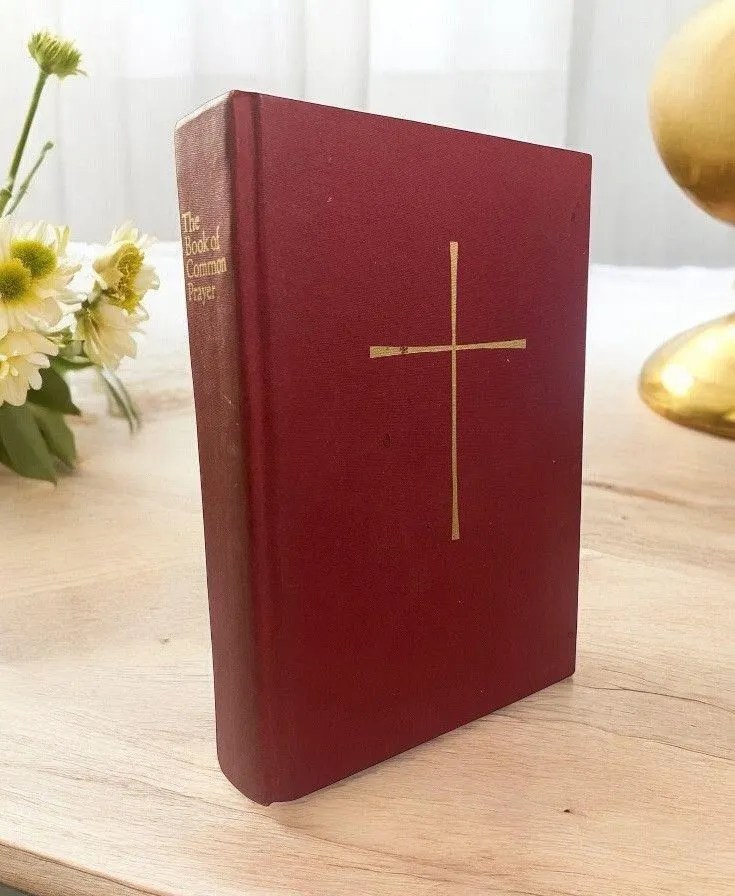
Anglican artists, writers, and musicians, have found deep spiritual significance in our encouter with beauty in the natural world, and they have left us with abundant examples of beauty in the places and things of worship. Our liturgies have been shaped by faithful people who, echoing the Psalmist, have sought to glorify “the fair beauty of the Lord.” It is therefore somewhat surprising to notice the relative paucity of references to beauty in The Book of Common Prayer, though the concept is interwoven in its many texts. In subtle and in sometimes hidden ways, beauty nevertheless functions as a significant concept in our prayers.
For Anglicans, The Book of Common Prayer [hereafter as BCP] functions as a resourcefor our prayers. And, in time and through practice, it becomes the sourceof our prayers, especially in the way that it is founded upon, and leads back into the Holy Scriptures. We are open to individually-crafted voluntary prayers offered for specific occasions. Yet, in our experience, these ‘unscripted’ prayers characteristically also become formulaic and repetitive in content as well as in phrasing, just our BCP prayers are sometimes said to be. As Anglicans, we find that – like practices handed down over generations – prayers shaped by communities also become ‘hallowed by time.’
Further, we hold in common a premise upon which Anglican Christians have typically relied. We often find our basic doctrine expressedin our prayers, though we do not usually look to our prayers to find nor to establish our doctrine. For it would be contrary to the spirit of this approach if we were to conclude that, by simply changing our prayers, we would then change our doctrine. Therefore, in the same spirit, the phrases that I cite here from the BCP are authoritative because they are true, rather than true as a result of coming from what we consider to be an authoritative source.
From the BCP, we are reminded about many things concerning Beauty, among them that:
⁃ Beauty is an attribute of God ⁃ God’s beauty is manifest in God’s handiwork in Creation, and therefore {by implication} manifest also in us, and between us ⁃ Creation is permeated with God’s beauty and grace, which is a reflection of God’s goodness as well as of divine truth, God’s own nature and a characteristic attribute of God’s creative activity ⁃ When we behold the beauty with which God has imbued Creation, we rejoice and experience joy as we encounter the presence of God’s love for the world and for us ⁃ Having this encounter, we perceive how God has given us work to do in truth and beauty and for the common good
Goodness, Beauty, and Truth, are attributes of God’s being and nature. How do we know this? We see the reflection, even the manifestation, of these transcendentals in the things that are created and here for us to behold and encounter. When we encounter these transcendentals in the things that are made, we encounter these attributes of God, not merely the residue of God’s action. And in so doing, we experience peaceful joy. This joy in us is our experience of God’s love for God’s work, the fruit of God’s creativity.
We often experience a disconnect between ourselves and our work, between who we are and how we act. With God, there is no such disconnect. God’s being and activity are indivisible, even if we distinguish them in our reflection. For at least in traditional Christian doctrine, God is all good, all knowing, and all powerful, dwelling outside of time, but acts and is fully present within it.
In our reflection therefore, God’s work of Creation and God’s work of Redemption may and should be distinguished but not confused nor separated. The principal reason for this is our recognition of the fallen state of Creation and of our human nature within it, to which God’s loving work of Redemption has been addressed.
As I previously reflected, in both Creation and in Redemption, God has formed and shaped the world and its inhabitants so that the world through God’s Creation is good and beautiful, and also a repository for what is true. Through Redemption, God embraces and transforms fallen Creation in such a way so that all that is amenable to fulfillment and completion in Christ may come to be so, and those things that are not amenable to the same have no future in Christ. Along with Truth and Goodness, Beauty plays a principal role in this ongoing process.
A Collect from The Book of Common Prayer
As a portion of Psalm 90 can be translated, “Let the beauty of the Lord our God be upon us, and prosper us for the work of our hands!” And in Psalm 96, we find: “Sing to the Lord a new song; sing to the Lord, all the earth… Honor and majesty are before him; strength and beauty are in his sanctuary.” And so, by divine grace, may these attributes of God and of the Risen Lord be present in our midst, and within us.
For reference, and as background material for the above, I include here some specific sources in the BCP for what I have shared:
In the BCP section, Prayers and Thanksgivings [BCP:814], Prayers for the World, from the Collect, For Joy in God’s Creation [BCP:814], we are reminded that: ⁃ Our Heavenly Father has filled the world with beauty ⁃ We ask God to open our eyes so that we can then behold God’s gracious in all of God’s works ⁃ So that, by rejoicing in God’s whole creation, we may learn to serve God with gladness, for Jesus’ sake, through whom all things were made ⁃ In other words, we find this implied sequence of ideas: —> God has filled the world with beauty -> God opens our eyes -> we behold God’s gracious hand in God’s works -> thereby we rejoice in God’s whole creation -> in the process, we learn to serve God with gladness
From the Collect for “The Transfiguration” [BCP:243], we are reminded that ⁃ We ask God to grant that we might be delivered from the disquietude of this world, so that we may by faith hold the King in his beauty, who with the Father and the Holy Spirit lives and reigns, one God, world without end
From the Collects for “Various Occasions,” the Collect for Vocation in Daily Work” [BCP:251], we are reminded that ⁃ Almighty God, our Heavenly Father, declares his glory and shows forth his handiwork in the heavens and in earth ⁃ We ask God to deliver us in our various occupations from serving ourselves alone, so that we may do the work God has given us to do in truth and beauty and for the common good
From the liturgy for “The Dedication and Consecration of a Church” [BCP:567ff], we are reminded that ⁃ We give God thanks for the gifts of God’s people, and for the work of many hands, which have beautified places and furnished them for the celebration of God’s holy mysteries ⁃ We ask God to accept and bless all that we have done, and to grant that in these earthly things we may behold the order and beauty of things heavenly ⁃ Through Jesus Christ our Lord
From the “A Litany of Thanksgiving for a Church” [BCP:578, from within the above liturgy], we are reminded that ⁃ we thank God whom we worship [here] in the beauty of holiness
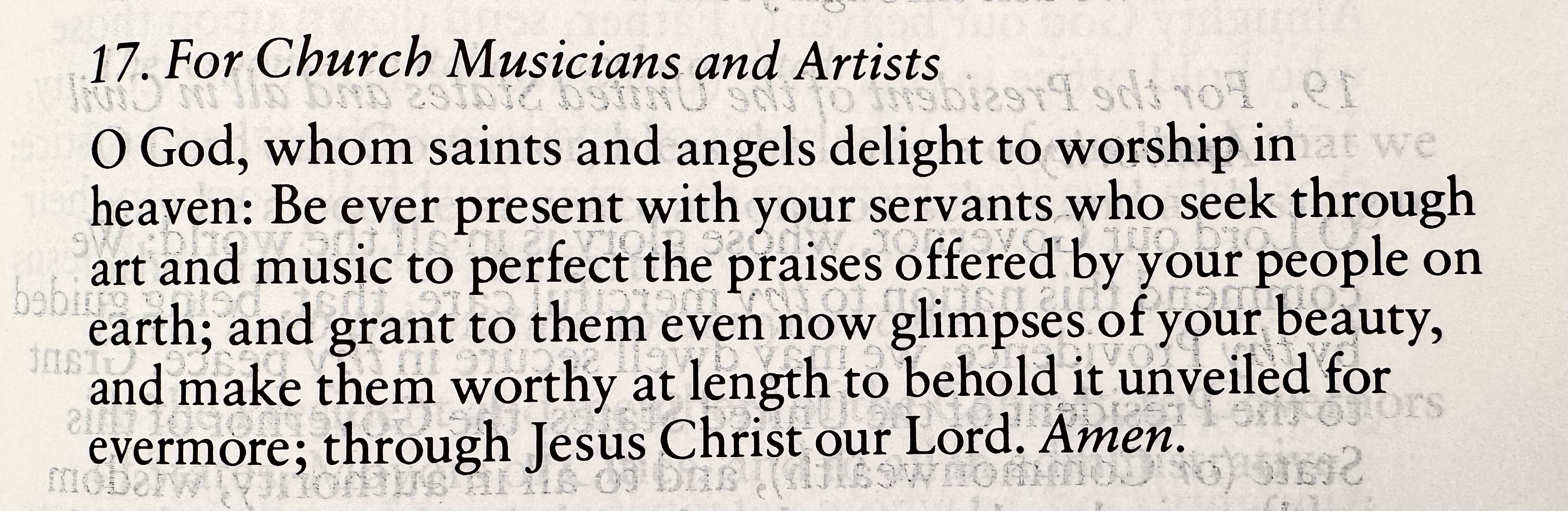
In the BCP section, Prayers and Thanksgivings [BCP:814], Prayers for the Church, from the Collect, “ForChurch Musicians and Artists,” we are reminded that ⁃ Saints and angels delight to worship God in heaven ⁃ We ask God to be ever present with his servants who seek through art and music to perfect the praises offered by God’s people on earth ⁃ And, to grant to them even now glimpses of God’s beauty and make them worthy at length to behold it unveiled for evermore ⁃ Through Jesus Christ our Lord ⁃ {and thus that God’s beauty is unveiled to those faithful who have gone before us to the other side}
In the BCP section, Thanksgivings [BCP:836ff], by “A General Thanksgiving” [BCP:836], we are reminded that ⁃ we thank God for the splendor of the whole creation, and for the beauty of this world ⁃ {and} for the wonder of life, and ⁃ for the mystery of love
In the same section, by “A Litany of Thanksgiving,” we are reminded that ⁃ we “give thanks to God our Father for all his gifts so freely bestowed upon us” ⁃ {and} for the beauty and wonder of God’s creation, in earth and sky and sea
Among the “Thanksgivings for National Life” [BCP:838ff, by the Thanksgiving “For the Nation,” we are reminded that ⁃ we thank almighty God for the natural majesty and beauty of this land, which restore us though we often destroy them
From among the “Thanksgivings for the Natural Order” [BCP:840ff], by the Thanksgiving “For the Beauty of the Earth,” we are reminded that ⁃ We give our most gracious God thanks for the beauty of earth and sky and sea; for the richness of mountains, plains, and rivers; for the songs of birds and the loveliness of flowers ⁃ That we praise God for these good gifts, and pray that we may safeguard them for our posterity ⁃ we ask God to grate that we may continue to grow in our grateful enjoyment of God’s abundant creation, to the honor and glory of God’s name
Note: I have retained and employed the pronouns and grammatical style employed by the 1979 Book of Common Prayer, which continues to be our primary and most widely shared reference point for theological expression and beliefs. Our beliefs are founded upon Scripture, which always provides the standard for a community that believes that prayer both reflects and shapes belief. And the Scripture that we “read, mark, learn, and inwardly digest” is the Scripture that has been received and confirmed by the believing community of the wider Church through the centuries. Different Christian communities of course prefer differing translations of the Bible. Here, for Anglicans, Scripture is authoritative as we are guided by an ancient maxim attributed to St. Vincent of Lérin: What has always been believed by everyone, everywhere. Very little, it may seem, wholly fulfills the requirements of this maxim. Yet, what comes closest to fulfilling it is therefore most authoritative for us.
Tally Ho in her glory, with her full suit of sails
My brother, who shares my love of boats, introduced me to the YouTube video channel based on Tally Ho, a classic wooden sailboat rebuilt by a young man named Leo Goolden. Watching Leo’s videos led me to those made by Nicholas Verrochi, about his preservation work on the Argonaut II. Through further viewing, I found videos made by the boatwright, Barry Collins, and then Joshua Alexander’s series titled A Boat in the Woods.
Several noteworthy things connect these particular examples of folks who love boats. Most appear to be in their 30’s or younger; they have pursued restoring or re-building traditional wooden boats; and they have gravitated around or have connections with the boat community at Port Townsend, Washington. Together, they display what is perhaps the simplest definition of vocation: doing what you cannot not do. And then, applying yourself to it as fully as you can. This may be the most elemental way that we gain God-awareness in our lives.
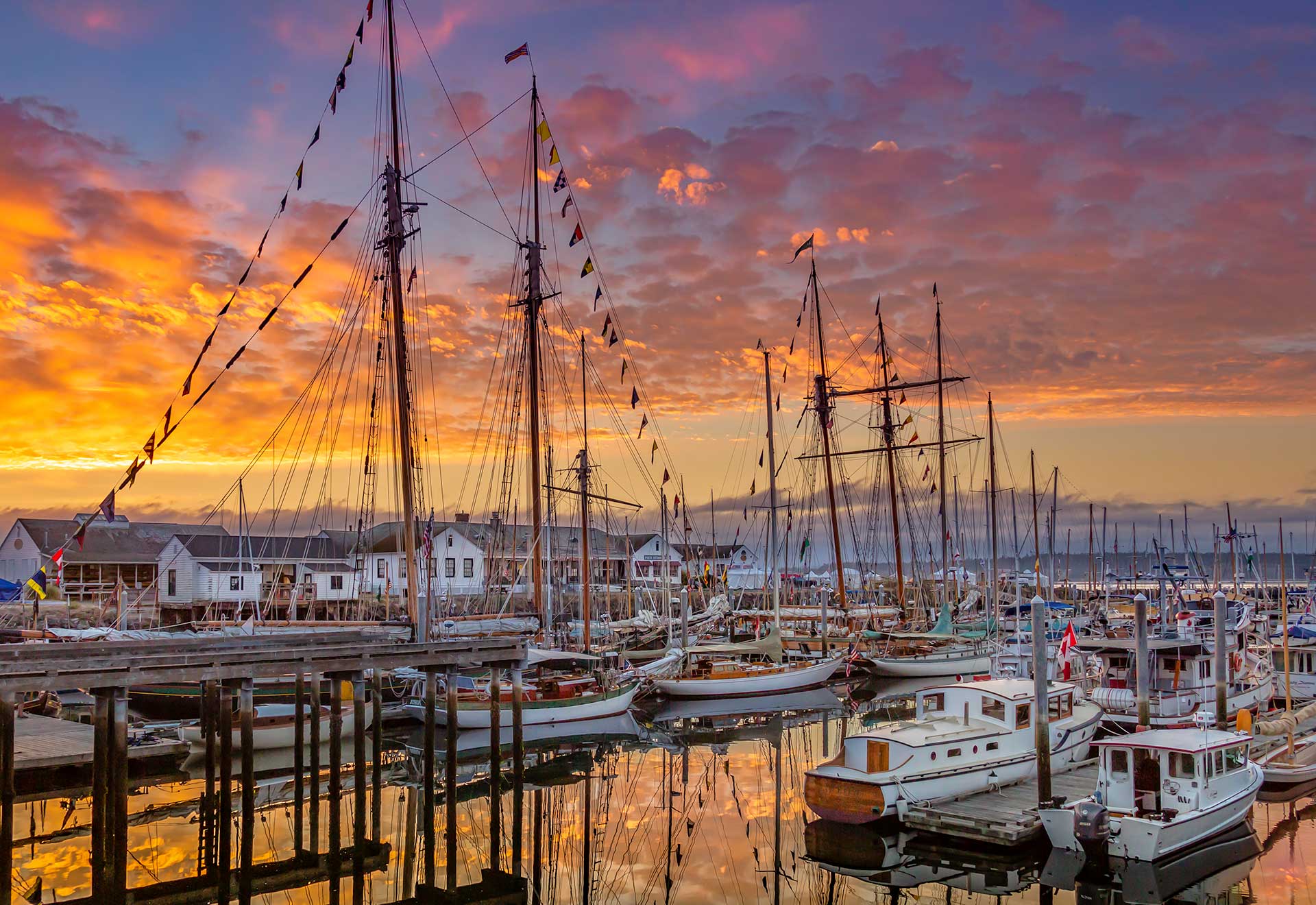
A photo capturing the Port Townsend Wooden Boat Festival
As long as there have been young dreamers and old hulls, there have been romantic attachments to wooden boats. This may especially be true in our technological era, run by electronics operating on industrial mechanisms composed of synthetic materials. The art of building wooden boats, well associated with the “age of sail,” has experienced something of a renaissance. Evidence for this includes nationally-known boatbuilding schools offering project workshops, and companies that produce wooden kits with pre-cut materials, attractive to aspiring boat builders. Wooden Boat and Small Boats Monthly are two examples of popular publications that provide knowledge about boats of this kind, as well as basic instruction concerning building techniques employing traditional tools.
There is an observable confluence of energy and enthusiasm amongst the particular group of folks I am featuring here, with their common interest in restoring examples of wooden boats, along with their shared rediscovery of fulfilling patterns of life on vessels not permanently moored in a single location. Their videos offer continuing education regarding the restoration and maintenance of old boats, as well as an introduction to facets of essential ‘boat craft.’
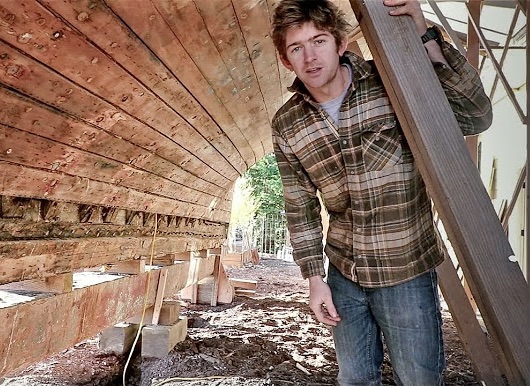
Leo Goolden under the hull of Tally Ho during her reconstruction
Tally Ho! Leo Goolden is a very likable young man with the skills of a master shipwright who possesses a keen eye for craftsmanship in work, materials, and ship hardware. It is impossible not to fall in love with the restored TallyHo (launched in 1910), presently making her way into the Caribbean Sea, having transited from British Columbia. Leo’s well-filmed videos, along with their explanatory power and evocative musical selections, provide evidence of his successful fundraising. Every feature of this 48’ gaff-rigged cutter attests to the ‘quality-first’ orientation of a purist who knows what he is doing, and who is open to learning about the ‘best next options.’ Those who dream about sailing the perfect wooden boat will love following Tally Ho and her continuing adventures.
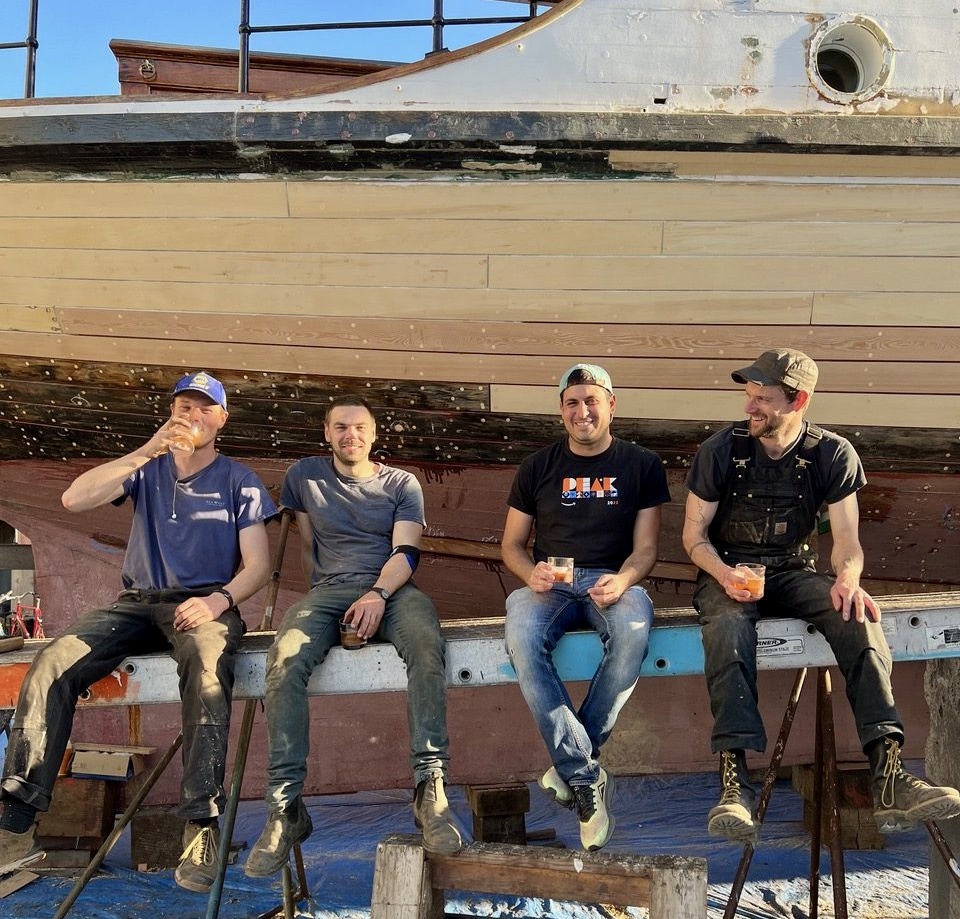
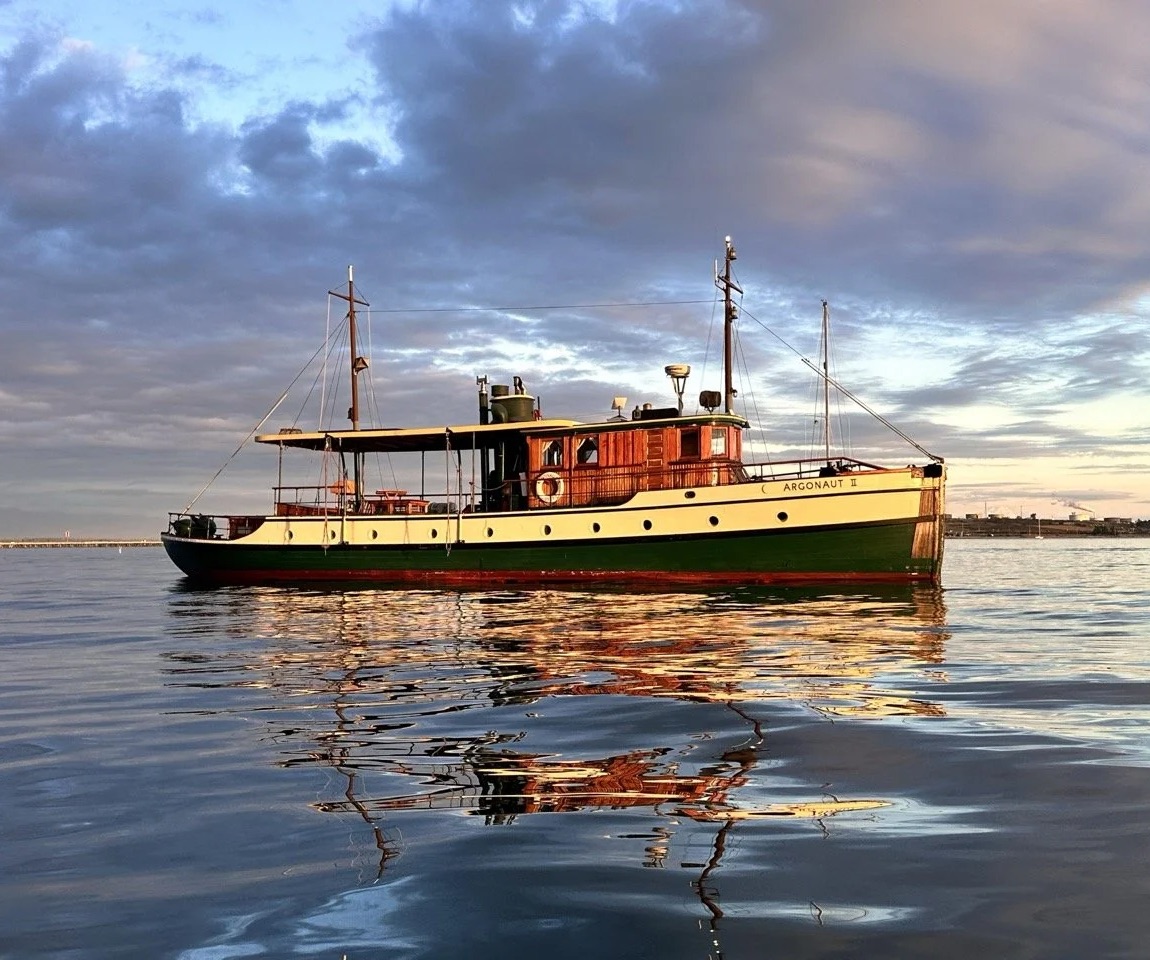
Nicholas Verrochio and his boatwright assistantsArgonaut II at sunset on her home waters
Nicholas Verrochio and a team of marine carpenters are presently rebuilding signficant portions of the hull of Argonaut II, a beautiful 73’ motor cruiser originally launched in 1922 for a lumber tycoon, and subsequently used by the United Church of Christ for decades as a floating missionary post stationed in the Georgia Straight. Nicholas has evident gifts for both hospitality and the stewardship of history, and sees his work on Argonaut II as having a mission to share discovery experiences on the water in the comfort of a historic and well-preserved yacht. Watching his videos, including those displaying the meals he prepares, inspires pleasant thoughts of chartering his boat.
Sailor Barry and Hailly, who share stewardship of Thunder ChildThunder Child at her dock
Sailor Barry’s videos tell us as much about how tending to boats has been ‘life work’ for him as it has been about being a shipwright. His path has been strongly shaped by hard work on the sea, and he seems to have a natural affinity with marine carpentry and mechanical matters. Watching him at work, we learn how his abiding application of himself to boats and woodworking have had an attractive healing power for him. He and his sailing partner, Hailly, have done wonders with transforming Thunder Child, their 1971 William Atkin 36’ gaff-rigged ketch, purchased from a couple who had owned and sailed it for 49 years.
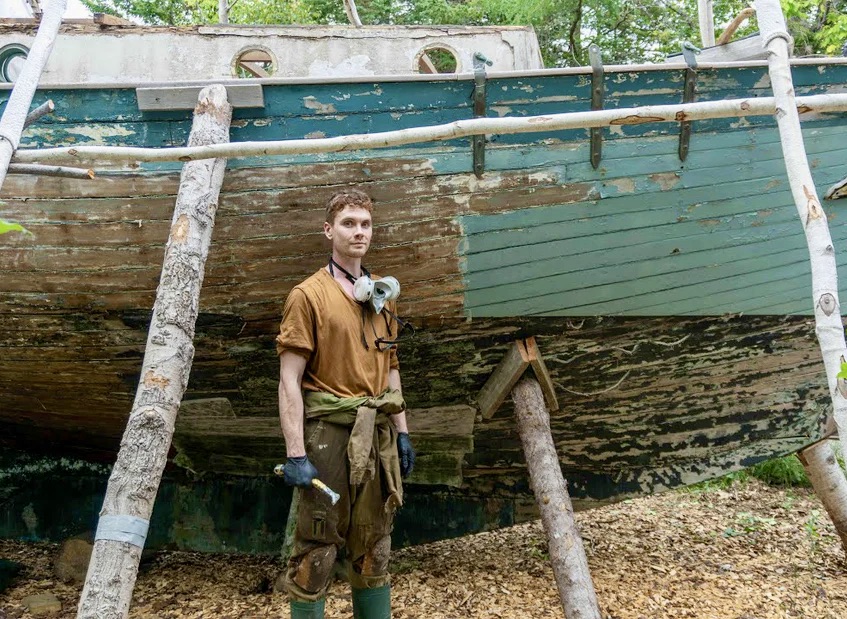
Joshua Alexander working on the hull of his as yet unnamed boat in a Nova Scotian forest
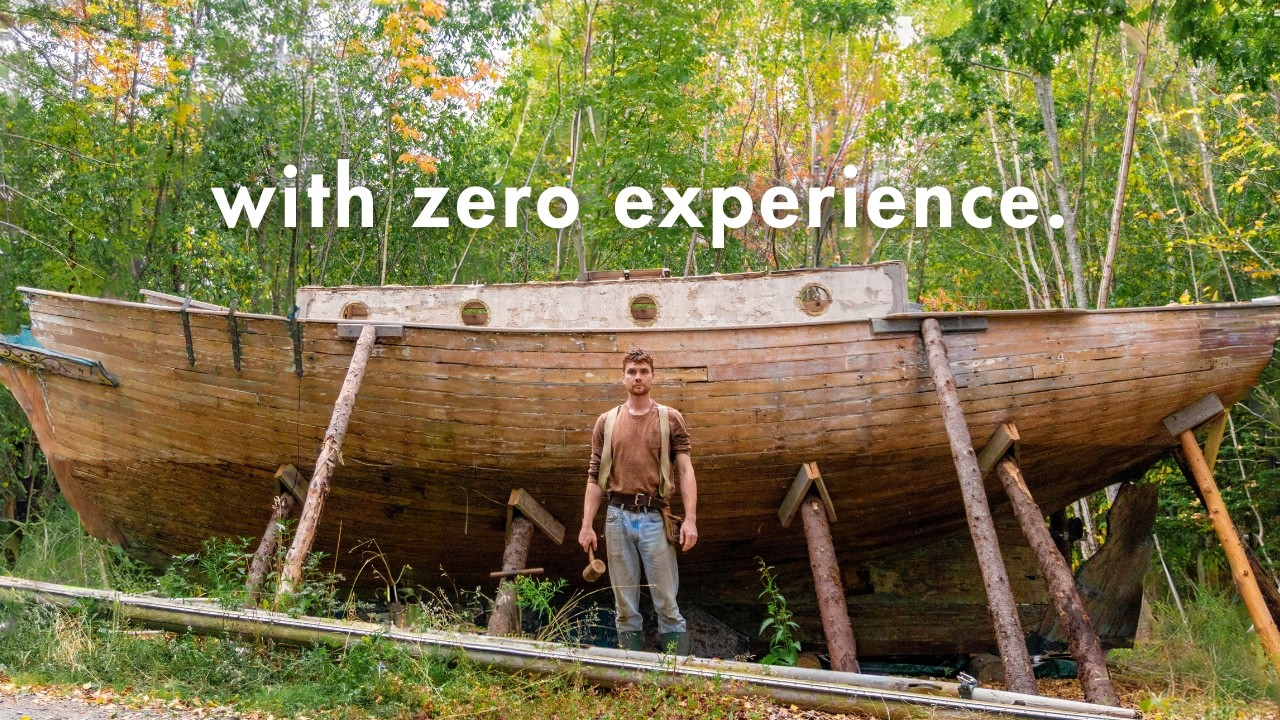
Joshua Alexander’s videos effectively document his ongoing campaign to make seaworthy a forlorn 40’ boat built in 1966 in Yokohama, Japan. He had the hulk moved to a friend’s wooded property where he built a tented structure in which to live while working on her. With very limited resources and alone except for a curious owl, he demonstrates the vision, dedication, and woodworking knowledge to see through this immense project. His droll, emotionless voice-over narration, which does not overlook his recurring setbacks, is strangely compelling, conjuring up images of a 19th century New England sea captain reincarnated as a youth in the woods of contemporary Nova Scotia. Yet, until recently, Joshua has never sailed a boat! For those who love ‘underdogs,’ Joshua and his boat present us with a paradoxical conjunction between our high hopes for him, and a project that faces immense challenges.
A still image from Joshua Alexander’s A Boat in the Woods series
Additional Note: YouTube provides an accessible way to become more familiar with these boat builders and their projects. Their videos can be found linked to the following YouTube channel names (in the order in which I have presented them, above): Sampson Boat Co (for Tally Ho); Argonaut II; SailorBarry; and A Boat in the Woods.
Visitors to this space are familiar with my fondness for the words of St. Richard of Chichester: “Day by day, dear Lord, of thee three things I pray: to see thee more clearly, love thee more dearly, follow thee more nearly, day by day.” The theme can be expressed more compactly: We seek to live more nearly as we pray. These words voice our desire to walk a path of beauty in life, such as we find in ‘Easter Living.’
While serving as an Assistant Professor at one of our seminaries in The Episcopal Church, I was invited by the editor of the New Churches Teaching Series to write the volume on Ethics and Moral Theology. This was the third such series of books going back to the 1950’s that seek to provide learning for persons interested in our tradition. Books in these series have addressed a wide range of areas in faith and community life pertinent to our common desire to become informed members. I wrote my book while teaching its content in the seminary, and in about 10 different parish weekend teaching events in Episcopal churches across the country, ‘field testing’ the material. My book was published in 2000, and is still in print. I wish to note that proceeds from all the books in this series were and are donated to the Anglican Theological Review, an independent journal offering the fruits of scholarship for the benefit and educational formation of those within as well as beyond the academy.
At the time of being granted tenure, a seminary trustee asked me what the title of the book implied about its content. It became evident that her concern was focused on my use of the word “after.” I was able to explain that I used the word to mean “in light of.” The book’s title is an indirect tribute to the theological vision of my doctoral supervisor, Oliver O’Donovan, then Regius Professor of Moral and Pastoral Theology at the University of Oxford, whose book, Resurrection and Moral Order, has had a profound impact upon my thinking.
It may be helpful to clarify that I use the terms “Christian ethics” and “moral theology” interchangeably. However, it is worth observing that many within the wider Protestant tradition tend to prefer the term “Christian ethics,” while those within the wider Catholic tradition tend to use that of “moral theology.” Note that “ethics,” as a named field of inquiry without the religious qualifier, is generally understood as a branch of philosophy, which may or may not observably underpin theological writings relevant to this field.
I would like to highlight a number of themes evident within and or suggested by the structure my book, which I think are particularly relevant to Christians at this point of time:
Foremost, the interdependence between ethics and spirituality, which I refer to as ‘two sides of the same coin’ despite their separate spheres of concern.
The centrality of Baptism in the lives of every Christian believer, and its implications regarding the vital relationship between what we believe and how we live
Our historic Anglican dependence upon the natural world as a source of insight about the Creator’s intentions for us and for our lives. This reflects our traditional emphasis upon the Incarnation of our Lord in human embodiment. We look for the complementarity between – but do not equate nor confuse – what the Medievals called the Book of Nature and the Book of Scripture, ‘written’ by the same Author, while having different even if overlapping purposes.
The distinctions that I offer between what I call “laws,” “manners,” and “moral principles.” Neglecting to distinguish among what these terms represent frequently causes confusion.
The final chapter of the book moves from elaboration of basic principles in Christian ethics/moral theology to an application of these principles by offering a methodological approach to how they might be applied with reference to a particular set of ethical questions, centering on how we approach a broad concern for all of us: “Should a Christian ever been involved in or associated with an act of violence?”
I wish to stress that this is not a book about “issues.” My goal was -and remains – an effort to recover and present the foundations of a solid Christian world view for how we might best approach any issue that may be of concern. So, this is not a book where you can turn to the index and look up such matters as capital punishment or a discussion of what might be a fair interest rate on loans. I try to remain careful about observing the important distinction between moral or ethical principles that we might share, and particular policy implementations that we then undertake to reflect or enact those principles in our common life.
For those who may be interested, I include here a précis of the structure of my book, articulated in the series of Axioms that are appended within it, as well as bullet point chapter summaries:
The Japanese architect, Kengo Kuma, has designed a beautiful contemporary context for a display of traditional Japanese craftsmanship in woodworking. You can find it in a coffee shop at a Starbucks location in Fukuoaka, on Kyushu Island in southern Japan. Specifying the use of the art of Kiguma, the Japanese art of assembling pieces of wood through precise cuts and fittings, but employing no nails or screws, Kuma has created an aesthetically pleasing destination for those who appreciate fine architecture as well as espresso.
Evident in many locations associated with its brand, Starbucks focuses upon providing thoughtfully designed contexts for enjoying their products, whether in self-standing stores or in airport and grocery store kiosks. In this particular case, the choice to engage the services of a design-savvy modern architect, and his willingness to undertake this comparatively small project, speak well to the sensitivities of both Kuma and the corporation.
Kuma’s plan for the interior of this space, complex in appearance, features what looks like a standard series of pieces of cherry wood that measure about six feet in length and of 2″ by 2″ dimensions. Employing these relatively light and small pieces of wood in a way that resembles modern tensile structures, the architect has produced an environment that hovers over and around customers, drawing them in to the interior. The spatial atmosphere he has attained is simultaneously conducive to imaginative reflection and yet also quiet contemplation. Perfect, in my mind, for enjoying a coffee break, while visiting the many historic attractions in this part of Japan.
Interior view
I am intrigued by what I have learned about Kengo Kuma’s design principles, articulated in his book, Anti-Object: The Dissolution and Disintegration of Architecture, positive ideas from his studies that he seeks to be exemplified in his own buildings and their spaces. His primary university eduction in Architecture was at Tokyo University, but he studied for a year at Columbia University, and has taught for short periods at two other American universities. Given his formation and his approach to design, I am inclined to think that he has found a sympathetic parallel to his world view in the lifelong architectural principles of Frank Lloyd Wright, who made seven trips to Japan and who lived there for three years while designing his Imperial Hotel for a location near the Imperial Palace in Tokyo.
A vintage postcard photo of Frank Lloyd Wright’s Tokyo Imperial Hotel, with its Japanese-inspired tile roofs, which survived the great 1923 Kanto earthquake
One observer has summed up Kuma’ approach in Anti-Object in this way: Kuma “critiques the Western architectural tradition of the isolated ‘object’ building, advocating instead for a more integrated, ‘weaker’ architecture that dissolves into its environment. Kuma argues against buildings that stand apart as self-centered monuments, proposing an alternative approach that uses natural light, materials, and context to create immersive, experiential spaces, drawing inspiration from Japanese traditions…”
Our American urban landscapes are filled with ‘object architecture’ of the kind with which Kuma has taken issue. Familiar examples might include the building style featured in the recent film, The Brutalist, and as is arguably represented by the new Presidential Center tower on the south side of downtown Chicago, which given its significant cost could have provided a beautiful addition to the city’s skyline. By contrast, Kuma contends for the goal of harmony with a building’s context, without either slavish imitation of neighboring buildings nor the opposite, a statement-seeking rejection of the style of surrounding structures and their physical environment.
Interior view, with a traditional Japanese structure and tiled roof in the background
A notable element of Kuma’s design for the interior structure of this coffee shop can be seen in the way that the wooden struts extend outward from their crossing points (visible in the photo above). Visitors to Japan might recognize how this feature of Kuma’s project echoes what are called chigi, the crossed roof ends of Shinto shrines, seen all over Japan. Note the affinity between the way that Kuma has employed the cherry wood components of his design, and the chigi as well as the extended wooden rods used in the following example of a traditional Japanese Shinto shrine:
Chigi, or crossed roof ends, as seen at a Shinto shrine in Japan
Having discovered the architectural work and ideas of Kengo Kuma, I look forward to learning more about his other buildings, among them the remarkable Victoria and Albert Museum in Dundee, Scotland, which I hope to feature in a future post.
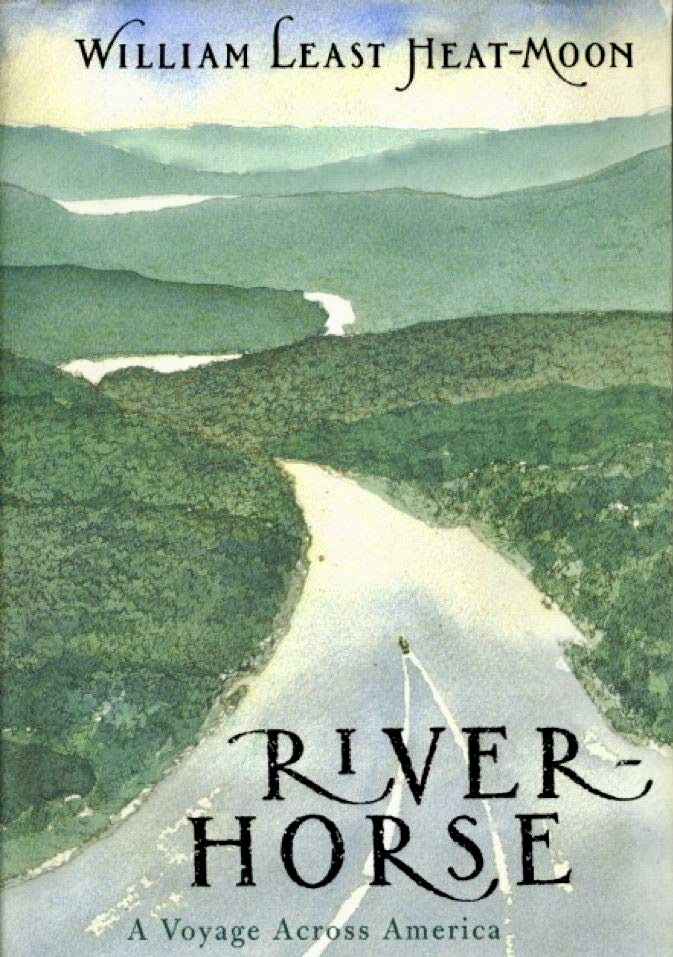
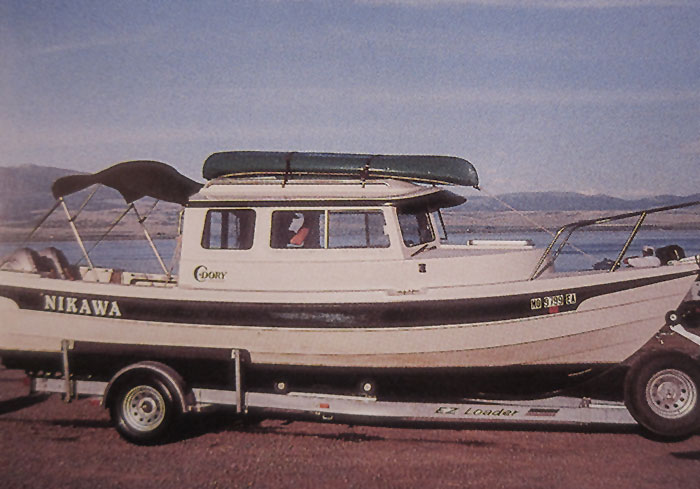
William Least Heat-Moon (the pen name for William Lewis Trogdon, hereafter WLHM), continues to impress me with his nuanced vision of the United States. He consistently offers his readers a synthesis of well-crafted writing, an appreciation for the sometimes hidden beauty of the lands and waters he explores, and a sensitivity to features of our common humanity latent within the historical events attendant to the people and places he visits. I return from time to time to his book, River Horse: A Voyage Across America, a book I love for its clear-eyed record of his water-based journey across this country. On a 26’ C-Dory motor cruiser, and accompanied by several friends whose roles are represented by symbolic monickers (e.g., Pilotis, and ‘the Photographer’), he traces a voyage from the mouth of New York Harbor to that of the Columbia River in Oregon. Readers familiar with geography but new to this book will wonder how WLHM managed to cross the Continental Divide in the C-Dory, and will discover that the author and his friends’ passage was facilitated by a vehicle trailer around some portage points, and by a canoe through and over the western mountains at their highest points.
Nikawa on her trailer, with the handy canoe secured above the pilothouse
WLHM periodically uses unfamiliar vocabulary in a way that may strike some readers as pretentious, but which I generally find apt and instructive. Clearly, he savors words as much as the sights he seeks to capture through his writing. His evident identification with the sentiments expressed in quotations from earlier journals and public documents, and the care with which he treats them regarding the places he visits, tells us a lot about the author.
This is the kind of book that boaters who have a yen for nautical adventure will love. As I do for his other published work, I have a high regard for what WLHM has accomplished with this travel narrative. He has filled it with insight concerning not only geographical terrain, but also with pertinent observations about the people he meets, who interact with or are sometimes indifferent to the beauty he encounters along his passage. As an able and informed observer, the author communicates much about what he sees as well as about its potential significance for others who might come along after him. His book is shaped by his dialogue with the recorded experience of those who have traversed the same waterways and their surroundings before him, as well as by contemporaries familiar with the same areas. By this means, WLHM draws readers in to his own reflective experience. He invites us ‘to look over his shoulder’ and then journey with him through the captivating but also sometimes less than encouraging features of where he goes. To this point, in his expressed appreciation for numerous rivers negotiated by Nikawa, he does not overlook reporting on the accumulated plastic debris that by the mid 1990’s had already collected in certain pockets of at least one river. He then offers brief but also judicious comments with respect to potential remedies for public attitudes about the waters that border our towns and rural lands.
The author and his boat, observed during his voyage (evidently from a newspaper photo)
Aside from his absorbing description of the commencement of his voyage, which effectively draws the reader into his narrative, several passages in the book linger in my memory. I think of his account of Nikawa’s passage down the relatively gentle Ohio River, which is often calm due to the series of locks and dams. His reflections about the river evoked thoughts of a possible retracing of his pathway through those waters, especially given their occasionally curious personal and historical associations (as in the following vignette).
In this part of his text, WLHM offers a brief account of an Irishman who was persuaded by Aaron Burr to join a nascent conspiracy to found a new and independent political domain lower down the Ohio and by the Mississippi, a venture later halted by authorities sent under the direction of Thomas Jefferson. This provides a good example of the numerous occasions about which WLHM interweaves observant travelogue with his study of past events. Interspersed within this same portion of the narrative focused on the area around Marietta, the author reports humorous offhand comments gleaned at a diner. After his conversation with a local woman, a beautician named “Enna-mel,” she leaves him with a parting remark that adds spice to the story.
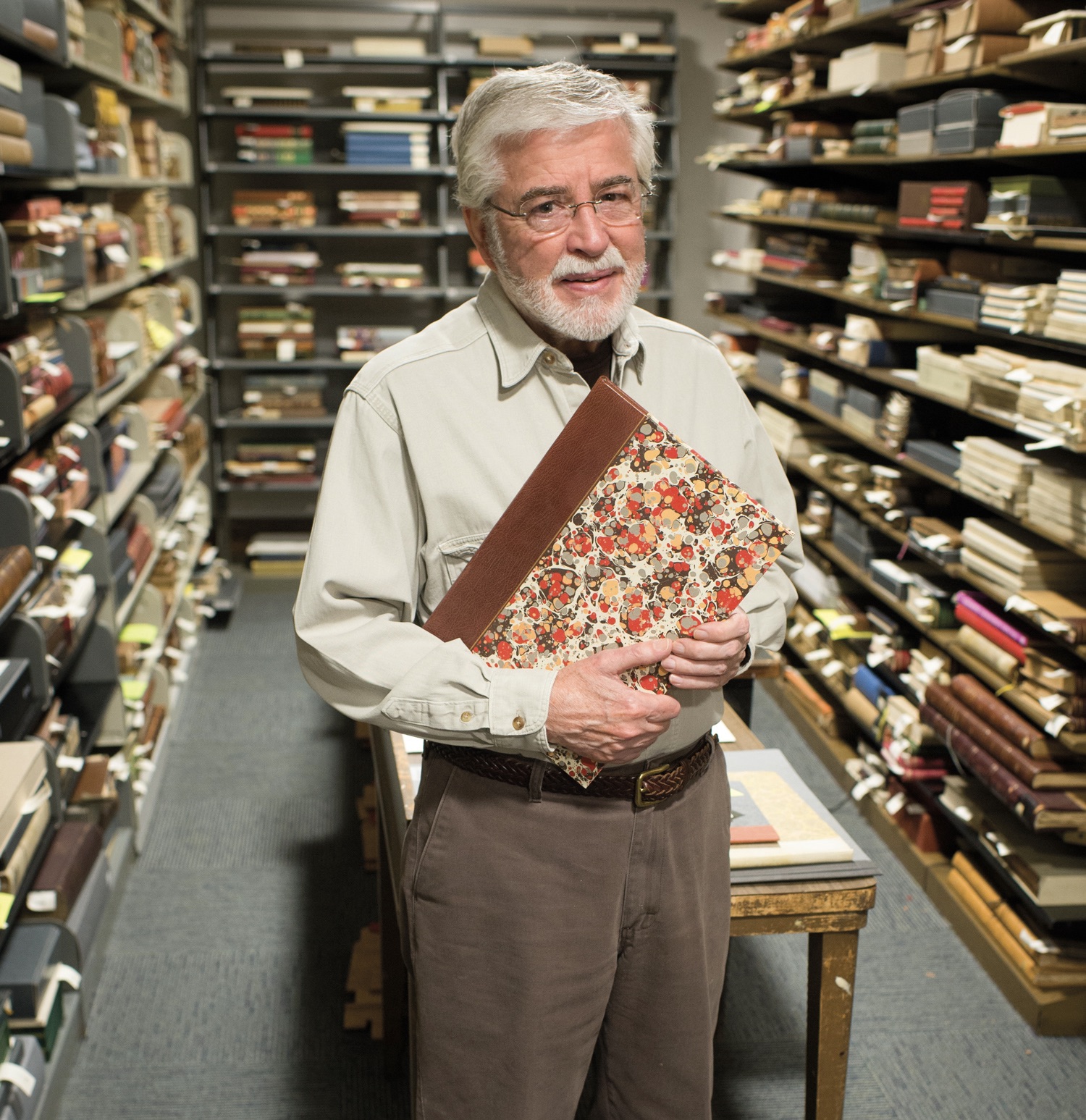
The author in what may be his second favorite place to be, an historical archives room
Shaping words about the work of an accomplished writer can be hazardous, though I am encouraged by WLHM’s quotation of a portion of William Clark’s Journal from the great 1804-6 expedition to the West. Clark’s struggle to portray the then sublime splendor of the untamed Great Falls of the Missouri River clearly were significant to WLHM. This is evident in the latter writer’s implied recognition of the challenge posed by his own desire to communicate the fullness of his experience of the same waters.
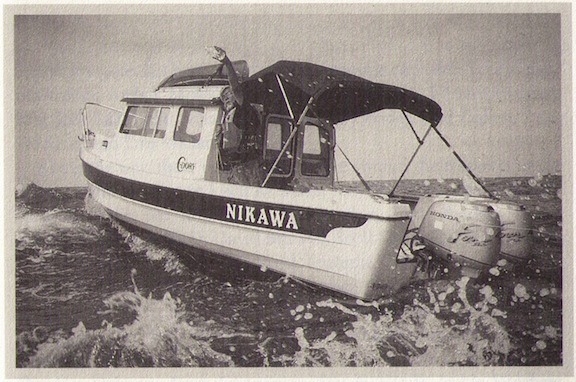
River Horse is sprinkled with anecdotes from earlier times, along with perceptive observations from William Least Heat-Moon’s journey notes. He well-describes the many rivers through which Nikawa made her way, and almost every page of this book offers detailed insights that will reward an attentive reader, especially those who muse – as I have – about undertaking a similar adventure.
I find that authors who are effective at reading aloud their own writing offer an extra dimension of insight regarding their work. Jonathan Raban’s recording of A Passage to Juneau, is an example to which I like to return. Being a sailor myself, I find voyages, sailboat cruising, and basic navigation provide more compelling metaphors for how we think of our course through life than the often used one of journeying. Raban’s book about sailing his 35′ Swedish-built ketch from Seattle north to the capital of Alaska recounts so much more than a trip up the Inside Passage through the interior waters of British Columbia. His reflective narrative allows us to witness – through his eyes – how he faces the challenges associated with the death of his father, an English Vicar, as well as the coming apart of his marriage while he remains close to his young daughter.
Jonathan Raban in his boat
Raban includes as a literary companion, on what unfolds as an imaginatively-shared voyage, the technically gifted but personally flawed explorer, George Vancouver, through the latter’s ships logs and historical biography. Raban’s log of his passage in the Penelope is interspersed with perceptive observations about his family off in England and down in Seattle, while also sharing reflective thoughts regarding Vancouver’s own earlier exploration of the same waters. So there are three interwoven strands within the writer’s expressive narrative, Raban’s cruise, his interior journey through memories and toward an uncertain future, and a travel oriented book that shares his evocative impressions of the waters and terrain of Puget Sound and the Straight of Georgia that is mixed with those Vancouver.
The explorer and esteemed navigator, George Vancouver (1757-1798)
Having lived on Vashon Island while commuting to college on the Washington State ferries, I remain drawn to some of the same locations in Puget Sound that play an early role in the book. The immediacy of the author’s description of the area in and around Seattle’s Fishermen’s Terminal where he prepared for setting off, as well as of the beautiful San Juan Islands, provide a very good sense of what he was leaving behind on his travels, while also emotionally carrying aspects associated with those places with him as he ventured into less familiar waters.
A Hallberg-Rassy 35′ ketch much like Raban’s boat, Penelope
Raban was nothing like an enthusiastic newcomer to sailing when embarking upon his “Passage.” His other voyaging books, particularly his account of his circumnavigation of his native United Kingdom (Coasting), as well as his editorship of The Oxford Book of the Sea, attest to his deep knowledge of sailing and all things nautical. His attraction to such voyages is also reflected in his highly readable account of his water journey down the Mississippi (Old Glory), from St Paul to New Orleans, and was the fulfillment of a childhood fascination with the Great River and its history .
The Audible recording of a condensed version of Passage to Juneau nicely captures Raban’s resonant voice and British vocal style. Portions of his recording give a good sense of the author’s subtle humor, accentuated by his sharp eye for memorable detail. Imagining how Vancouver’s voice must have sounded to his shipmates, Raban reads passages from the explorer’s diary with a slightly exaggerated flat nasal intonation, imbuing the historical figure with a fuller sense for us of the 18th century navigator’s complicated humanity. And Raban’s description of his brief interaction with officious Canadian Customs inspectors regarding a suspect American potato, found during a search of his boat, provides a memorable anecdote. Both examples and others like them function, I think, as thoughtful counterpoints to the more difficult aspects of Raban’s ‘interior passage,’ a journey through reflections prompted by the loss of a parent and the diminishment of a marriage.
The Audible version of a cover for Raban’s book, Old Glory
One key to appreciating Jonathan Raban’s, Passage to Juneau: A Sea and its Meanings, lies in its subtitle. Clearly the author has written something more than an absorbing description of a nautical adventure, though he certainly provides that. The interest of this book for me lies in its implicit invitation to reflect on what draws some of us to the sea, to find our way on waters that may have patterns but no directional lines or unnecessary limits. For the sea is where what is called ‘human geography’ and our created pathways may diverge from the given features of the natural world.
As is broadly true with much of our life on land, a parallel to navigation over the water exists with how we make our way forward in our decisions and actions, day by day. This is the parallel we can perceive between sailing and what is formally called casuistry in moral theology. All of us, in all circumstances, are challenged to apply universal principles or rules of thumb to the ideosyncracies of everyday situations. Generic and abiding principles (with boats, it is things like Coast Guard rules and the observed behavior of tides), coupled with familiar tools (a compass, wind direction finder, charts, etc.), need to be brought into engagement with particular circumstances (the wind, waves, and tides, as we find them today). Through this process we discern with greater clarity location and direction, especially when our efforts are coupled with a grasp of purpose. Otherwise, and in more ways than one, knowing where we are and where we are headed can be difficult.
The author on the veranda overlook of his Seattle home
We are created in God’s image and likeness. We often assume that this is reflected in the way that we think, in our capacity for reason and in our desire for wisdom. But we also reflect our creation in God’s image and likeness in our desire to love. We all want to love, and receive love. Sometimes, especially in this fallen world, we love in ways that are disordered. We love the right things in the wrong way, and we love the wrong things in what we deceive ourselves into thinking may be a good or right way.
And yet, we still love, whether it is ourselves that we love to the point of it being at the expense of loving others and the world around us, or it may be that we love others and the world at the expense of rightly loving ourselves.
The Holy Scriptures remind us that God is love. And that God first loved us before we knew it. And that God so loved the world that he gifted himself in the form of the Word made flesh, who came among us, full of the grace and truth that he has so generously shared with us. “I am who I am” (what God spoke to Moses from the burning bush) becomes the source of “we are who we are,” especially when we become aware of and live into the fullness of who we really are.
And so, to love what God loves is to share in the experience of God’s love. Awareness of this leads us to become more aware of the way we are called to share in God’s own way of loving. To do so actually comes to us naturally, even though we in our fallen state are impaired in our ability fully to live into this reality, and believe we are capable of it.
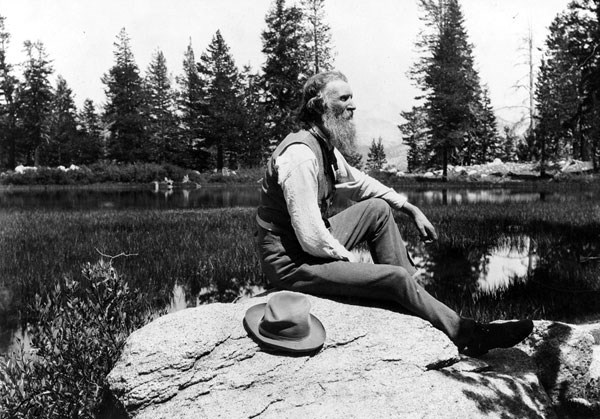
In my prior post, I reflected on how some of this capacity to love what God loves may be revealed in the life and work of Walter Inglis Anderson, who himself may not have been aware of the fact, nor may have had the conscious ability to believe it. In this respect, Anderson, followed in the spiritual footsteps of John Muir, whose earlier example may help us appreciate this dimension of the Mississippi painter’s relationship with nature. For Muir, through his childhood formation in orthodox Reformed Christian beliefs, came to believe he was loving Creation as God loves it, however much Muir’s vision expanded and broadened over the years so as to appear that he had moved beyond the bounds of traditional faith.
The painter and solitary, Walter Inglis Anderson, portraying himself rowing out to Horn Island
To experience joy when we encounter and perceive the beauty we find in the world – even in ourselves – is to experience God’s love for the world. Beauty in the world is a manifestation of God’s self-giving, and of a love that is self-giving, even to the point where we are capable of bringing harm to it or rejecting it. The same is true for God’s love for us, and for those with whom we have been given the opportunity for fellowship and community. For God’s love is not for us solely, as individuals, but is present in fellowship and in community, especially in communities founded upon this great gift of divine love.
Anderson’s son, John, retracing some of his father’s footsteps
Here, we can come to appreciate another insight we can gain from learning about Walter Inglis Anderson. Like the earlier Muir, Anderson came to perceive – or perhaps always intuitively knew – that to see, to really see what is in and around us, is enabled by ‘getting out of the way.’ When I, as one who sees, am conscious and then distracted by my awareness of my process of seeing and perceiving, I become absorbed with my own subjectivity, at the expense of more fully becoming focused upon the objects of my perception. In seeking to love you, or things in the world around us, my focus upon my process of loving or seeking to love impedes my actual participation in really loving you, you who are a fellow subject of loving and not simply an object of my love.
A Horn Island painting by Walter Inglis Anderson
I think that Anderson was enabled to arrive at such an awareness by enacting his desire to be among and really see the plants, birds, animals, the seashore, and the changing weather conditions, while on his solitary sojourns to Horn Island. Therein lies the paradox. God’s love for the divine beauty reflected in the world that he has made was at the heart of Anderson’s love for the beauty that we find in nature. And in sharing in that same love of beauty, he came to perceive how he was actually not alone, even in his periodic states of hermitage under the shelter of his upturned dinghy.
Awareness of this is one doorway into perceiving and then enjoying what Jesus spoke of when he said, “Wherever two or three of you are gathered, I am there.” The great “I am” is with us, now to behold and embrace, Spirit in Flesh, Word made human, not only in ourselves and in the things around us, but also between us at the heart of our fellowship.
Perhaps like Henry David Thoreau or John Muir, a gifted painter named Walter Inglis Anderson came to discern some things of great significance within the visible beauty latent in nature. Like his venturesome forbears, he did this by seeking out an area of wilderness. It became his habit to row out the ten or so miles to Horn Island in the Mississippi Sound, where he slept on the sand using his upturned dinghy as his hermitage. Out there amidst the shifting dunes, with only the shell of his boat for cover against storms, Walter Anderson perceived more of who he was as he experienced harmony with what was around him. In time, compelling objects of his attention became for him fellow-subjects apprehending the splendor of Creation.
A shoreline inhabitant whose common name (‘hermit’ crab) was often derisively applied to Walter Anderson
Paradoxically, by his solitary coastal journeys, a man who had suffered bouts of mental illness became aware of an elusive but precious quality that he shared with those from whom he was isolated. His transient island resting places, where he spent weeks at a time over the course of twenty years, provided him with fleeting glimpses of what it might mean to be more fully human. There, away from others, he experienced moments when he felt he had become who he was meant to be.
As one writer has put it, “Anderson’s isolation from humanity convinced him, in the end, of humanity’s beauty… [He] believed that if we re-established our primal relationship with nature, we would regain our beauty.” Walter’s youngest son, John, summed it up succinctly: “Solitude was a tool that helped him to find unity with all people and all creatures.”
Anderson’s portrayal of himself rowing out to the island
Walter Anderson expressed the point compactly in one of his Horn Island logbooks: “In order to realize the beauty of man, we must realize our relation to nature.” His son, John, later explained what his father had meant by this. “I think that in those twenty years that he was living in solitude on the wilderness island, he was attempting to realize his relation to nature so that he could realize the beauty of humanity.”
Underlying these words, and the perception they express, may be a nature-mysticism of the kind often associated with Thoreau and Muir. I also find an affinity here with the spirituality we can discern in traditions as widely different as Zen Buddhism and the writings of Christian monastic solitaries.
Eugene Peterson’s rendering of Jesus’ words in John 12:25 (in context), captures a similar perception: “Listen carefully: Unless a grain of wheat is buried in the ground, dead to the world, it is never any more than a grain of wheat. But if it is buried, it sprouts and reproduces itself many times over. In the same way, anyone who holds on to life just as it is destroys that life. But if you let it go, reckless in your love, you’ll have it forever, real and eternal.”
To this mystical vision of the world I think we can also connect an insight attributable to St. Augustine of Hippo, regarding what we love, and how we love. If we love ourselves and our lives, or the world around us, for our own sake, we belong to the ‘city of the world,’ and we live turned away from God. Yet, if we love these same things for God’s sake, we belong to the City of God, and live in a God-ward way. Here it is important to remember that to love in the latter way that Augustine commended may not necessarily be an activity that we undertake with conscious awareness.
Self-Portrait by Anderson
It is actually possible to love God without ever consciously intending to do so. I believe this was the case in the adult life of Walter Anderson. It happens when we love what God dearly loves. And such true love can be expressed unconsciously, in ways that may be apparent to others while not to ourselves.
This truth connects the experience of the non-religious nature mystic with that of the religious contemplative, as both in various ways are focussed upon the Beauty inherent in Creation and within our human experience of Nature. This brings joy to the Author of Creation, who so loves the world that he has brought us into the new life that – through the Word made flesh – he now shares with us.
Emphasis has been added to the Eugene Peterson quote above. In a later post I will offer further reflection on Walter Anderson’s life and work, including his wondrous artistic creations, among which are paintings and drawings, as well as ceramics, linoleum prints and patterns for fabrics.
A 14′ Tiny House inspired by Japanese Aesthetics (from the Baluchan website)
As earlier posts of mine attest, I have been interested for some time in the Tiny House movement, which has now become a widespread phenomenon. Whole Tiny House communities are being developed, and Tiny House construction designs have been proposed as an alternative approach to addressing homelessness. Reflecting on this movement, and the broad appeal examples of Tiny Houses seem to have, I have given some thought to what this development in small scale architecture may represent, and to what it may tell us about how we want to live.
I can see an impulse similar to the pursuit and enjoyment of living in a Tiny House in some attractive parallels, which also represent a quest for discerning a simpler way to live. Quite aside from a specific focus on contemporary examples of Tiny Houses, many people appear to have an interest in reading books like Thoreau’s Walden, or those by John Muir. I continue to meet folks who like the idea of having a small boat in which one can actually ’cruise,’ even on local lakes. And still others seem to share my fascination with living environments inspired by Japanese aesthetics.
An interior shot of the Baluchan Bonzai 14′ Tiny House
If these musings seem familiar, learning more about the Tiny House movement is worth pursuing. Here are some observations I have made in the course of my own reflections on the current popularity of this movement:
First, the appeal of Tiny Houses has much to do with the process of rediscovering, and learning more about the beauty of living simply. And therefore, about more than managing to accept being without some things, but actually doingwell with less. Marie Kondo’s videos and published writing have attracted a good deal of attention regarding the desirability of organizing our household belongings, and paring down what we have toward living with what we truly love.
Viewing and reflecting on examples of Tiny Houses can aid one’s discernment regarding needs vs wants. Most of us have probably considered this distinction from time to time, and have likely also experienced some frustration with our halting efforts to enact our reflection upon it. We know we have wants, which often masquerade as needs, while we may not sufficiently consider the potential value to us of having wants that are correlated with our needs. After all, a premise of this post rests on a paradox: the assumption that I not only want to live more simply, but that I may also need to!
The kitchen space between the bathroom and the small main living area
Here, briefly noted, are some potential benefits that may come from spending time in a Tiny House:
Living off the grid becomes a much more realistic goal when choosing to live in a Tiny House. Tiny Houses also allow for mobility in relation to one’s surroundings, even if it is not a frequently exercised opportunity. Changes in one’s locale can lead to learning opportunities.
Those who build their own or who choose to do maintenance work on a Tiny House are more likely to learn how to use, and use more ably, simple and hand-powered tools.
Tiny Houses are well suited as places in which we can experience solitude as a positive aspect of our lives, while also providing an excellent context for significant times spent with others.
Living or spending time in a Tiny House may allow us to have increased time for personal reflection, and an opportunity further to discern our vocation, in addition to our more usual absorption with occupational concerns.
Tiny Houses therefore have the potential to be places in which we read more, and spend less time consuming social media or watching videos. While every living place for which we have some care requires time and attention, the theory behind choosing a Tiny House as a place to live assumes that we can devote more time to actually living, rather than preparing to live. Reading makes the world bigger and our lives richer.
For much of the above, and as a both–and rather than an either/or starting point, I commend considering adding a form of a ‘Tiny House’ to your present circumstances rather than making a radical change from them. Experimenting with what can be done with less, while also still retaining one’s present home, can be instructive. This can be accomplished by, for example, purchasing a used but well-equipped small RV. We have recently seen some interesting examples on the road, and ones that could fit in a standard home garage.
For us, it has been our 1988 24 ft trailerable sailboat that has provided this kind of learning opportunity. With its relatively small cabin (about half the length of the boat), comfortable berths (or bunks), a camping stove, cooler, portable toilet, and cockpit which serves as a small ‘back porch,’ we can meet most of our daily needs for a week or more at a time. The slip for our boat is under $200/ month, including electricity and water connections, if needed (ie, if the boat is not yet off-the-grid-ready, though our boat is now thus equipped). DAYSTAR has become our floating ‘tiny house’ or ‘cottage.’
Ably and effectively inhabiting this principle of beautiful simplicity is turning out to be a lifelong project for me, and I believe this is also true for others. I am a neophyte in the process. Perhaps my readers have some similar experience with this ongoing process!