‘Catholic’ Spirituality

Mysticism and Our Desire for Transcendence

R.C. Zahner’s influential book

‘Mysticism’ sounds like an exotic topic to most of us, even though mystical experience has been a mainstay in our spiritual tradition. I find that most people, in this hurried era in the West, speak frequently about a desire for tranquility and an escape from the pressures of tasks, schedules, and activities, that are of less consequence than we would prefer. In our search for such escape, we do not always pursue the most humanly fulfilling or enduring ways of attaining our goal.

When receiving catechesis during the academic year in which I was baptized, I had the good fortune to be guided by an expert in the field of Christian mysticism, John Feneley of Oxford. During that year, one of the most influential books in my faith formation was one Feneley asked me to read, by R.C. Zaehner, with whom Feneley had studied. The book was Mysticism: Sacred and Profane. Zaehner (1913-1974) was an Oxford specialist in Oriental Languages, who also served as a diplomat. In that time and place, ‘Oriental Languages’ primarily referred to the historic languages of what we now broadly call the Middle East. Zaehner mastered Sanskrit, Persian and a host of associated languages, eventually publishing a translation into English of the Bhagavad Gita. While thoroughly engaged in these intellectual pursuits, he remained a practicing Roman Catholic, and died at the age of 61 while walking to an evening mass in Oxford.

In his principal book on the subject, Zaehner delineated two basic experiential types of what are often considered to be forms of mysticism. Under the heading of the first, ‘profane mysticism,’ he grouped the reported experiences of those who imbibed mescaline and other pharmaceutical substances in order to gain episodic experiences of transcendence away from our usual orientation to time and place. Apparently, Zaehner was motivated in part to respond to Aldous Huxley, whose book, The Doors of Perception, described his mescalin-induced experience as being of sacramental beauty. Zaehner was concerned to distinguish such memorable experiences, however profound for some, from what he considered to be an authentic experience of the divine.

The second basic type of mystical experience articulated by Zaehner he termed, ‘sacred mysticism.’ Here, within sacred mysticism, he distinguished three varieties, which are likely to be of interest to those who wish to learn more about ‘mysticism’ of a religious kind. The three forms of sacred mysticism identified by Zaehner are ‘nature mysticism,’ ‘theistic mysticism,’ and non-theisitc or ‘monist mysticism.’ As a Roman Catholic, Zaehner was particularly concerned to clarify how and why what he termed theistic mysticism differs from other forms of sacred mysticism. His clarification centers on the concept of and quest for encounter with the divine, and more specifically the goal of union with God.

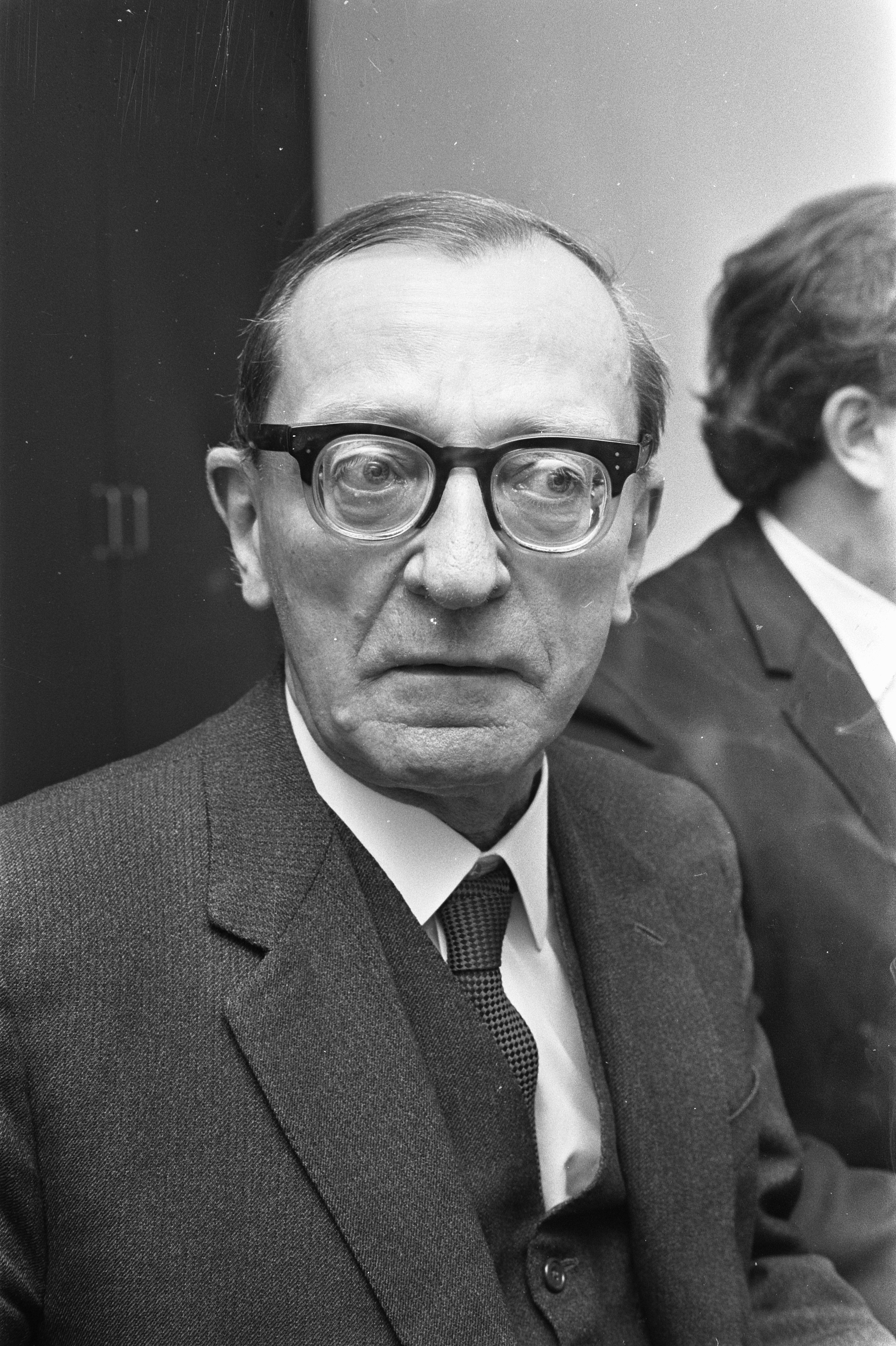
A striking photo of R.C. Zaehner, likely from his time as a diplomat

I am presently reading two biographies of John Muir (1838-1914), the pivotal American figure who may be credited with the origin of our National Parks and an inspiration for what we broadly refer to as the environmental movement. In Muir, I recognize a wilderness lover enthralled with the natural world, and a writer who remains an abiding representative example of Zaehner’s nature mysticism typology.

Monistic mysticism, in which we can include even the poly-theism of Hinduism, as well as forms of pantheism, perceives an ultimate unity between and among all things, both material and spiritual. It has some overlap with the nature mysticism of someone like Muir. Characteristic of monistic mysticism would be this kind of statement: “The universe and I are one, and any perception otherwise is a temporary illusion.”

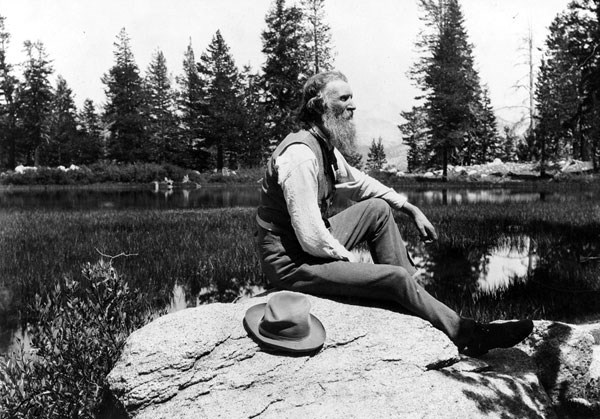
John Muir, in a setting where he was most often found

In contrast to these two categories, Zahner’s theistic mysticism category focuses upon the fundamental difference made by a believer’s desire to find and experience union with the divine in a spiritual context. In mystical experiences related to this quest, there is always an indissoluble “I” and “Thou” relationship between the person and God, who despite the union always remains an ‘other.’

This latter distinction has had a lasting value in my own thinking, especially in this era in which a quest for transcendence from ‘the material,’ and from the experience of being bound by time and place, is so common. The legalization of marijuana, as well as the ubiquitous availability of alcohol, may be examples of circumstances that lend themselves to such a quest, but the extraordinary levels at which many pursue athletics such as triathlons and other ‘extreme’ sports for the resulting exhilaration, may provide another.

Assuming I have characterized fairly Zaehner’s concepts in Mysticism: Sacred and Profane, I would add one other distinguishing characteristic among those the author associates with theistic mysticism. In addition to the theme of the active pursuit of the divine (what we usually mean when we speak of ‘finding God’), a distinctive feature of Christian apologetics involves an emphasis upon God finding us. Here we discern the dimension of Grace, and a theme that runs throughout the Hebrew as well as Christian Scriptures, of God’s finding and calling individuals and then communities to be a part of God’s ongoing mission of Redemption. The Old Testament prophets, as well as the New Testament disciples who were found and called by Jesus, provide inspiration and hope for those who through misfortune and other undesirable circumstances may feel lost, overlooked, even abandoned by God. However exotic it may sound, mysticism is a desirable aspect of every human life.


Note: One other facet of R.C. Zaehner’s life and work must be mentioned, to supplement our understanding of a man who was a rather complex figure. In addition to his personal faith, and academic career of research, he served in the British intelligence services. Because of his areas of expertise, he was recruited to serve in the British Embassy in Tehran, and was a prominent figure who was active in setting up the groundwork for the subsequent overthrow of Mohammad Mosaddegh (16 June 1882 – 5 March 1967), the Prime Minister of Iran, whose downfall led to the authoritarian monarchy of the Shah. The history of politics like those of sporting events usually benefits from hindsight, and we do a greater justice to history to be as perceptive as we can about the persons who were participants in the events in which we are interested, and the circumstances that led to their involvements and activities.

Danah Zohar: Finding Beauty in the Structure of the Cosmos and the Human Mind

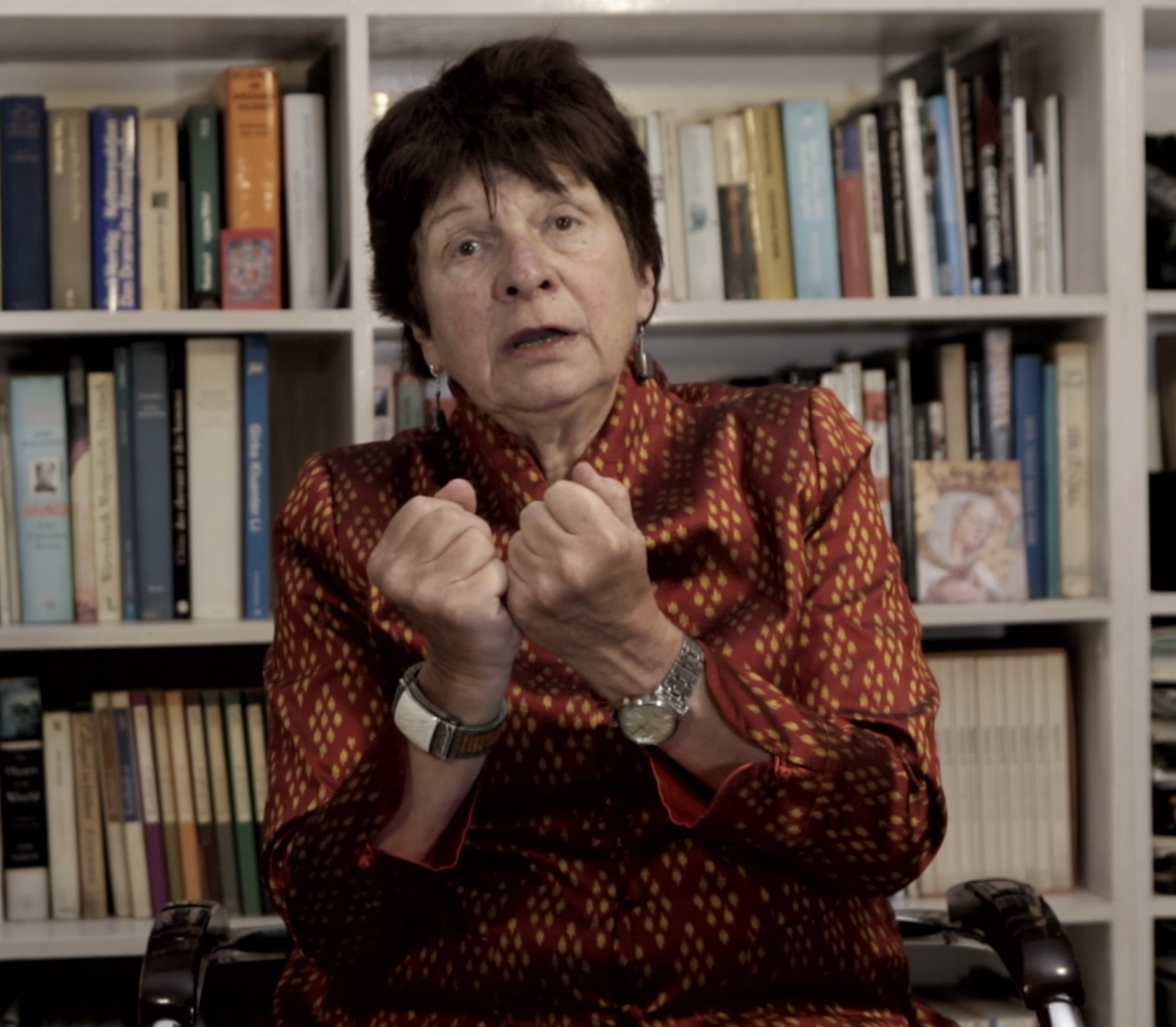
Danah Zohar, showing her delight in all that we can learn about the world and ourselves

Living across the narrow street from St Barnabas Church in Jericho, formerly a working class neighborhood in central Oxford built for employees of the University Press, on Sundays we met some rather interesting people from the academic community and city. Among them was Danah Zohar, a theoretical physicist and philosopher, and her husband, Ian Marshall, who was a perceptive analytical psychiatrist and co-author in her early work. She was educated at MIT, being among one of their first women graduates, and did her postgraduate research at Harvard.

Danah was fascinated by what seemed to her to be the largely unexplored significance of Quantum Physics for understanding human consciousness and its relation to the world around us. Her work in this area has yielded a series of books, beginning with The Quantum Self, and has led her to work as a consultant for how her complex ideas can be implemented within business and in corporate management. Building on her personal interest in spiritual intelligence among the aspects of human consciousness, she was fascinated by the intersection between what lies at the core of the human religious impulse and its functioning, and a modern understanding of how twentieth century physics explains aspects of the world with which we interact.

As has recently been observed, her “interdisciplinary work blends subatomic physics, nonlinear complex systems, philosophy, and psychology to replace rigid, “machine-like” corporate models with fluid, human-centric systems.” I am not surprised by how she has since been recognized for her abilities and accomplishments, with a major British newspaper describing her as being among “the world’s fifty greatest management thinkers.” This latter characterization of her work should not be viewed in reductionistic terms.

Danah in her study

What I most enjoyed about getting to know Danah was her synthetic approach to thinking about what it means to be fully human, and to live in a way that reflects a desire for, and commitment towards, flourishing through the fulfillment of our human potential. Born into a Protestant family in northern Ohio, her subsequent choice of her name by which she has become known, and with which she publishes, is significant: it derives from medieval Jewish mysticism. We worshipped together regularly with our families at our Anglo-Catholic (or ritualistic) parish, and celebrated holidays together. With her expansively spiritual worldview, anchored in a deeply rooted and intuitive faith, she always gently prodded me to enlarge the parameters of my thinking, especially with regard to my doctoral work at Oxford in contemporary Christian sexual ethics, while she was working on her first book.

In particular, I would credit Danah’s influence upon my thinking about our given inter-relatedness with one another, and how a more fluid and dynamic understanding of the inner connection between spirit and matter, mind and body, can and should shape our understanding of our human embodiment and, hence, our approach to our sexuality.

I found that her thinking stimulated my study of Paul Ramsey’s exploration of what Christian ethics might learn from the philosophy of Jean Paul Sartre. Ramsey’s work on Sartre along with early Christian sources, helps us to transcend the influence of will-based Kantian ethics as well as the analytical or deterministic thinking of some contemporary philosophers and biologists. And though Danah would not typically have thought in biblical terms, I came to see how these ideas can illuminate our appreciation for Paul’s concerns expressed in 1 Corinthians 6, regarding the conduct of Christian’s who thought they could engage in uncomplicated and spiritually irrelevant sexual relations with the women attendants at the Greek temple in Corinth.

Danah as I remember her in many conversations

Though our academic training and focus in our writing has occurred in different contexts, and with different foci, I continue to be inspired by Danah’s ever-creative and wholistic worldview. I find a complementarity between her thinking and a maxim offered to me when I was invited to write my book on ethics: ‘Morality should be based on reality.’ As Oliver O’Donovan once said to me, “Our principal modern challenge in ethics is description.” Danah remains an exemplar of a commitment to making our description of the world and our lives within it as perceptively accurate as we can. For her, as well as for me, such a commitment to ‘description’ must always take into account our spiritual lives and the persistent gift of radiant beauty around us, and to be found within our consciousness of the world.


The Virtues and Life in the Spirit of Pentecost

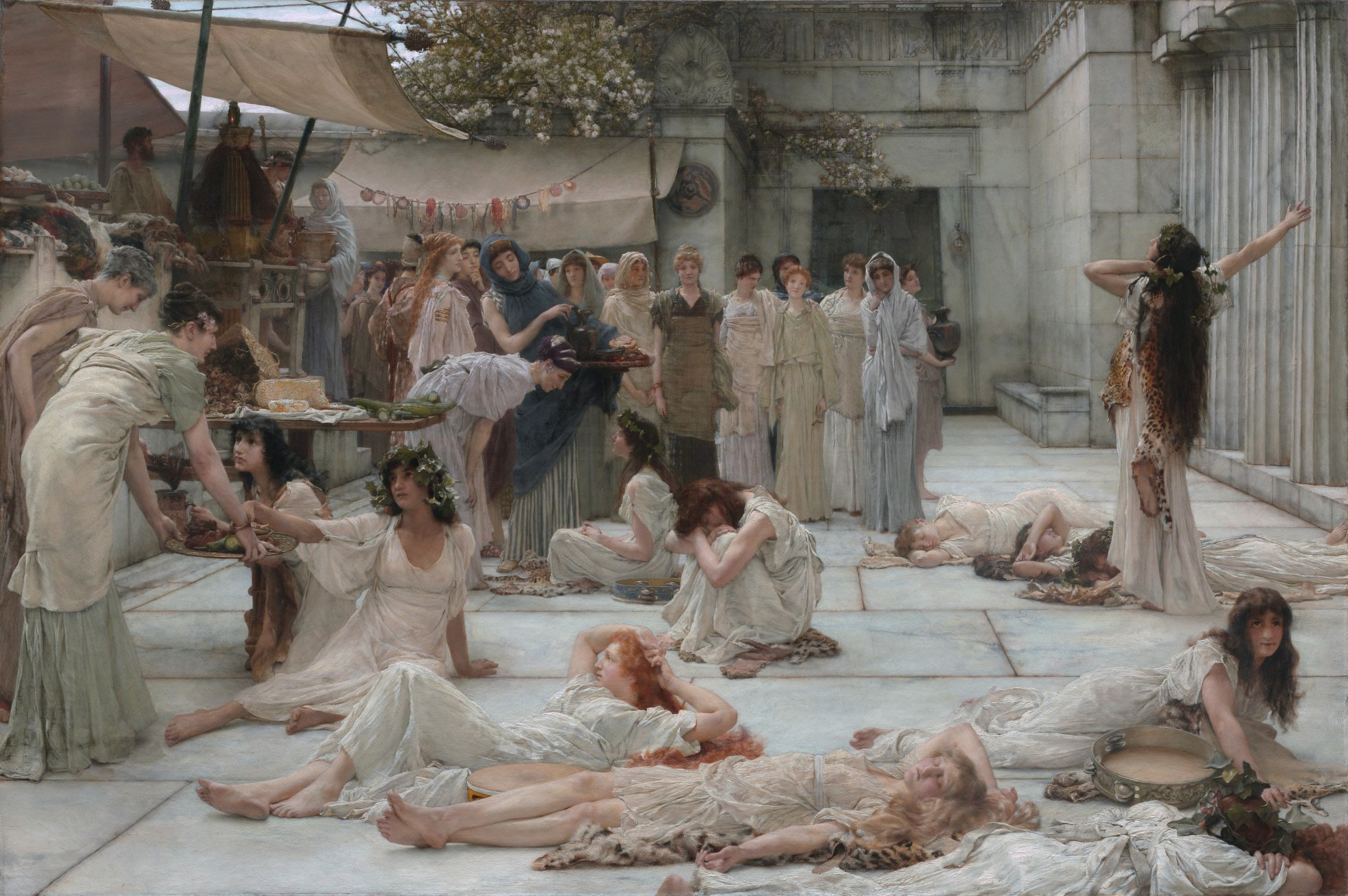
Lawrence Alma-Tadema (1836-1912), The Women of Amphissa, depicting female followers of Dionysus met by women of the city who have been more consistent in their practice of virtue

Watching video productions set in pre-twentieth century times, such as the 1995 Pride and Prejudice and the more recent series Victoria, viewers will notice how the word ‘virtue’ is often used narrowly to refer to something women are obliged to protect. This collapse of the wider meaning of the term, and its more specific association with sexual propriety, diminishes a concept which has very wide significance, especially in the history of moral theology or in Christian ethics.

The ancients and their successors teach us that virtue is a strength or capacity that we need to exercise, and which gains stature through our practice as a shaping dimension of a person’s character. And our tradition teaches us that character is a disposition to act in particular ways. Acts shape character, and character is displayed in acts.

Building on what we can discern about the narrowing of the concept of virtue in the Victorian period, we can be happy that the twentieth century became an era in which the broader meaning of virtue was gradually rediscovered in teaching and in writing, both in Catholic moral theology and in Protestant ethics. The writings of the Roman Catholic Peter Kreeft and the Protestant Stanley Hauerwas provide examples of the contemporary recovery of the importance of virtue for how to think about how to live.

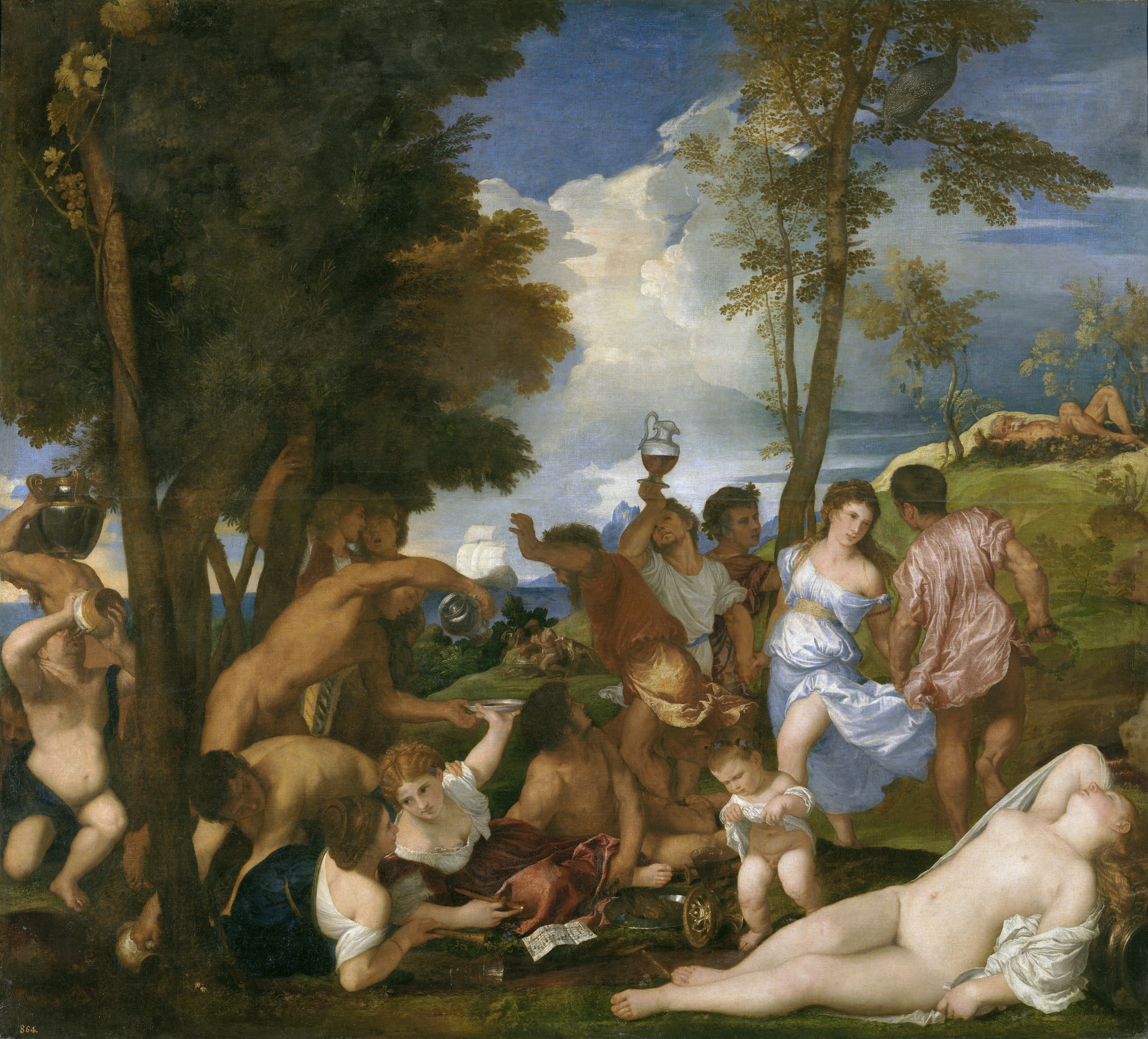
In view of this recovery, it is helpful to think about two virtues in particular, sobriety and chastity. In popular thinking and often in conversation, sobriety for many has come to be equated with complete abstinence from alcohol, and chastity is usually understood to mean refraining from sexual relations. This specific diminishment of our understanding of sobriety and of chastity has had an unfortunate consequence – we think of sobriety as of principal concern for those who have had difficulty in not over-indulging in drinking, and chastity as a way of avoiding sexual activity. However, as virtues with a long history of reflection behind them, we will do well to recover the fuller significance of these two terms.

Titian (1488-1576), The Bacchanal of the Andrians, depicting the mythical Island of Andros where a stream flowed with wine

As a virtue, sobriety is best seen as the practice of respecting our bodily integrity and emotional equilibrium in our relationships with others, in both social circumstances and when alone. The appropriate and temperate consumption of alcohol, along with a general indifference rather than a preoccupation with its presence, in our homes or in festive gatherings with others, are features of the practice of the virtue of sobriety.

In a similar way, chastity is also best seen as involving the practice of respecting our bodily integrity and honor in our relationships with others, especially with regard to marriage. In traditional Christian thinking, chastity specifically refers to a respect for the marriage covenant, and more broadly to fidelity in committed relationships, as we seek to practice temperance regarding our sensual inclinations.

It may surprise many in this era to read that all people are called to practice the virtues of sobriety and chastity, as well as other often named virtues. Not all are called or feel the need to abstain from alcohol and/or from sexual relations. Those who do find it difficult to consume alcohol or engage in sexual activity within what we consider to be appropriate and healthy bounds then sometimes choose never to drink and to practice celibacy. We should therefore be cautious about equating sobriety with the more specific practice of abstinence from drinking, and chastity from being equated with celibacy.

For the delight we can find in various alcoholic drinks, and the mysterious wonder of human sexuality, are gifts of Creation. They are to be enjoyed while practicing the virtue of prudence along with those of sobriety and chastity. And our lives are the better for practicing virtue as we prepare for passing through the veil into the fullness of blessedness that awaits us.

Our common focus upon sobriety and chastity may reflect a pervasive aspect of life in society after the so-called ‘sexual revolution,’ or in what many call ‘post-Christian’ times. The unbounded consumption of alcohol and engagement in indiscriminate sexual relations seem to be an ever-present aspect of social life in North America and apparently in Western Europe, if not also across the world.

Classical Christian thought has identified four ‘natural’ virtues, prudence, justice, temperance, and fortitude, which are seen as natural capacities or strengths that can be developed through practice as a result of being born as a human being. Three additional virtues, seen as gifts of the Holy Spirit rather than as natural endowments of our common human nature, are then commended, both by Scripture and the broader Christian tradition. These are the more familiar virtues of Faith, Hope, and Charity (or agapic or other-oriented love). The identification of these seven virtues has not precluded the identification of further virtues – such as sobriety and chastity – which in one way or another manifest aspects of the seven formally named in the history of Christian ethics.

Our practice of any or all of the virtues, including sobriety and chastity, reflects a fundamentally positive choice to honor the integrity of our human embodiment and the communities in which we live, so that we might grow toward flourishing in fulfillment of our created and redeemed potential.


I write the above aware of how the virtue of temperance was in the nineteenth and twentieth centuries narrowed in social communication to become a term referring to total abstinence from alcohol and even its legal prohibition. One familiar example was the 1864 English naming of the Temperance River, the only stream that flows into the North Shore of Lake Superior without having a ‘bar’ (or sandbar) at its mouth. Though a common example, it reinforces why we should want to recover the fuller significance of the Virtues in our ethical and spiritual thinking.

Further note: Prudence is the virtue of practical reasoning

As Kingfishers Catch Fire

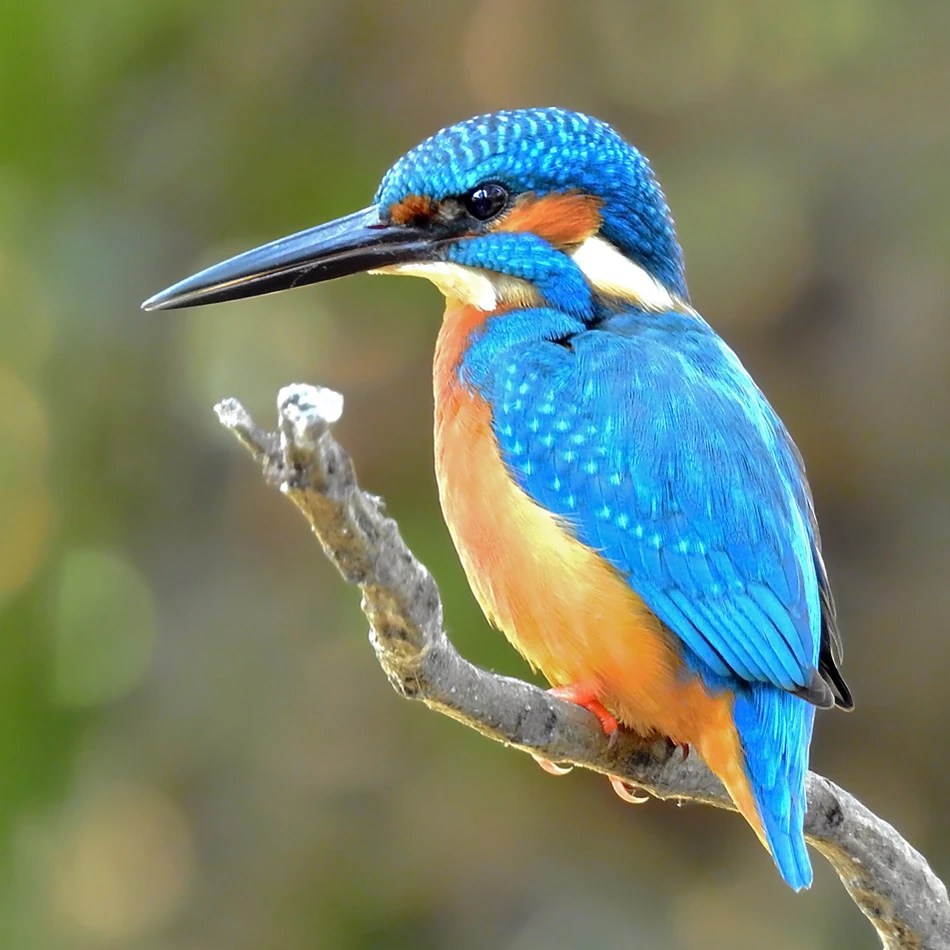
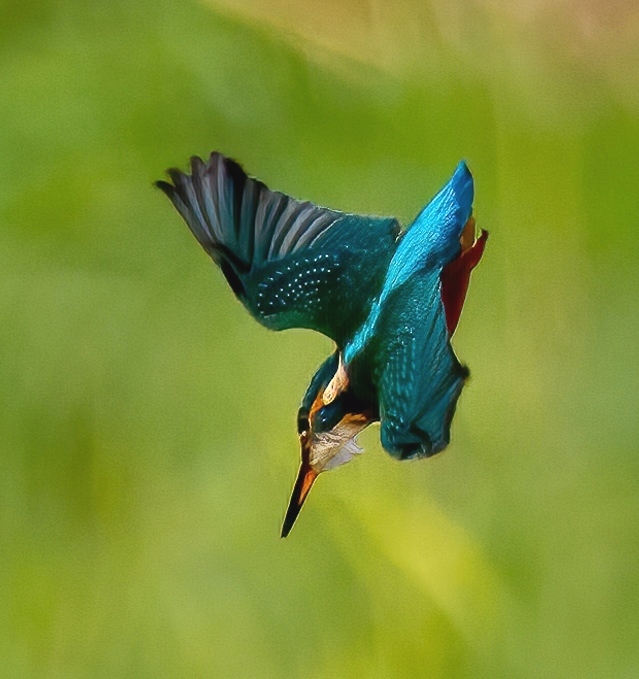
A Kingfisher, a brightly colored fish-eating bird with a large head, a dagger-like bill, which dives to catch prey

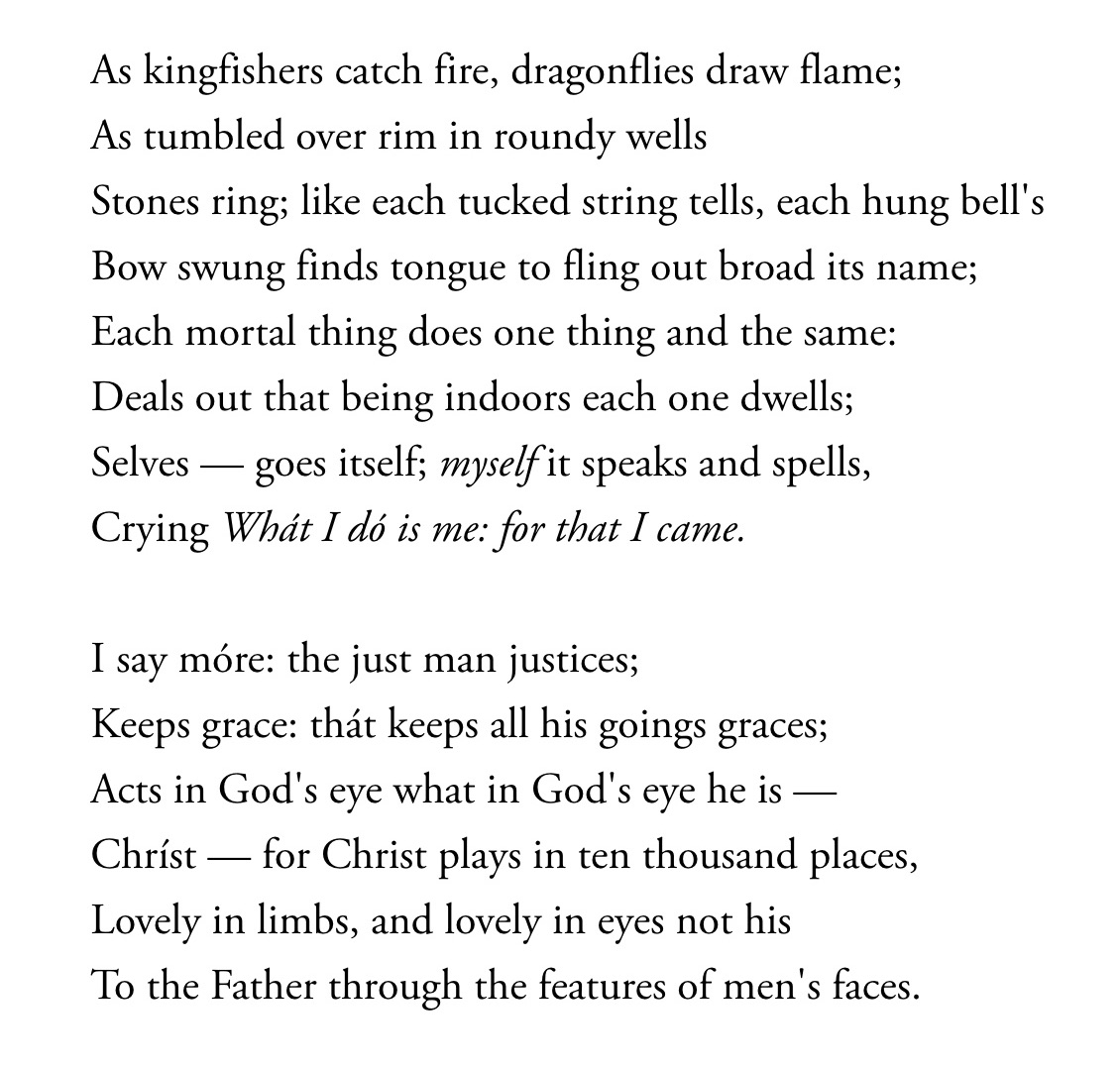
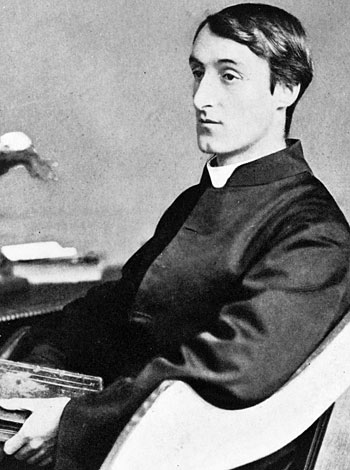
One of my favorite poems was written by the English poet and Jesuit priest, Gerard Manley Hopkins (1844-1889), from whom I have received inspiration in my continuing desire to glorify God by helping others perceive and give thanks for beauty. The poem from which I have borrowed my title for this post, provides a wondrous example of his gifts at work. I quote his poem here in full:

Hopkins’ Kingfisher poem, which is known by its first line

Reading poetry with insight does not come naturally to me, though I much appreciate the art form. As many others do, when approaching a poem like Hopkins’ “As Kingfishers catch fire,” I rely upon essays written by interpreters trained in literature. Since poems involve verbal communication, it may be that sharing insight about a poem with words is a more fruitful endeavor as compared with attempting the same regarding a painting. Yet, I believe that – as with most art forms – we can best express the things that have caught our attention and stirred our spirit in the paintings and poems that have stayed with us. Here are some aspects of Hopkins’ Kingfisher poem that continue to draw me in when I read its lines and speak its words aloud.

In this poem, Gerard Manley Hopkins displays what I consider to be an essentially “Catholic” sensibility when reflecting upon the world and our place within it. Here, his suggestion of the inner relationship and yet the difference between God’s mission in Creation and in Redemption, stands out to me, as does the continuity that may be perceived between the two. Order, purpose, meaning, and – yes – beauty, are to be found in God’s handiwork. The patterns we discern in nature attest to God’s intentions for us and for all other things touched by God’s ‘hands’ and by ours, and so we are reminded to look within ourselves for the same kind of purpose.

In discerning something of God’s purposes for us, we act in accord with what we observe and come to know. We are created to be just and so we choose to act justly. And we are created and then blessed further with God’s grace to be instruments of the same beautiful love. Risen Jesus, who comes to be with us, and then in us, manifests his divine role, inhabits our being, and brings new life to where it was not. In us, among the myriads upon myriads of those who see his beauty, who say, “Yes.”

Gerard Manly Hopkins as a Jesuit
A kingfisher – metaphorically – ‘catching fire’
Diving for a catch