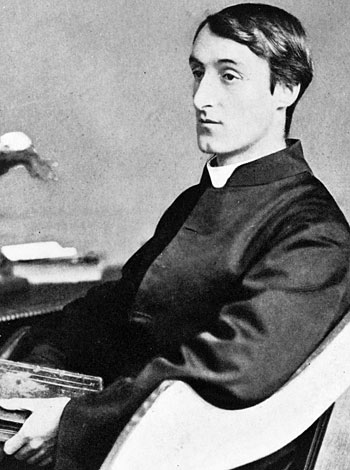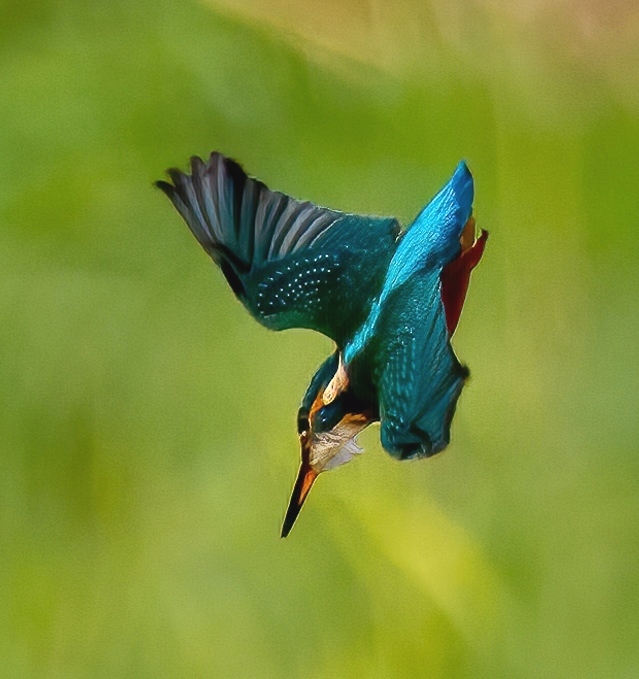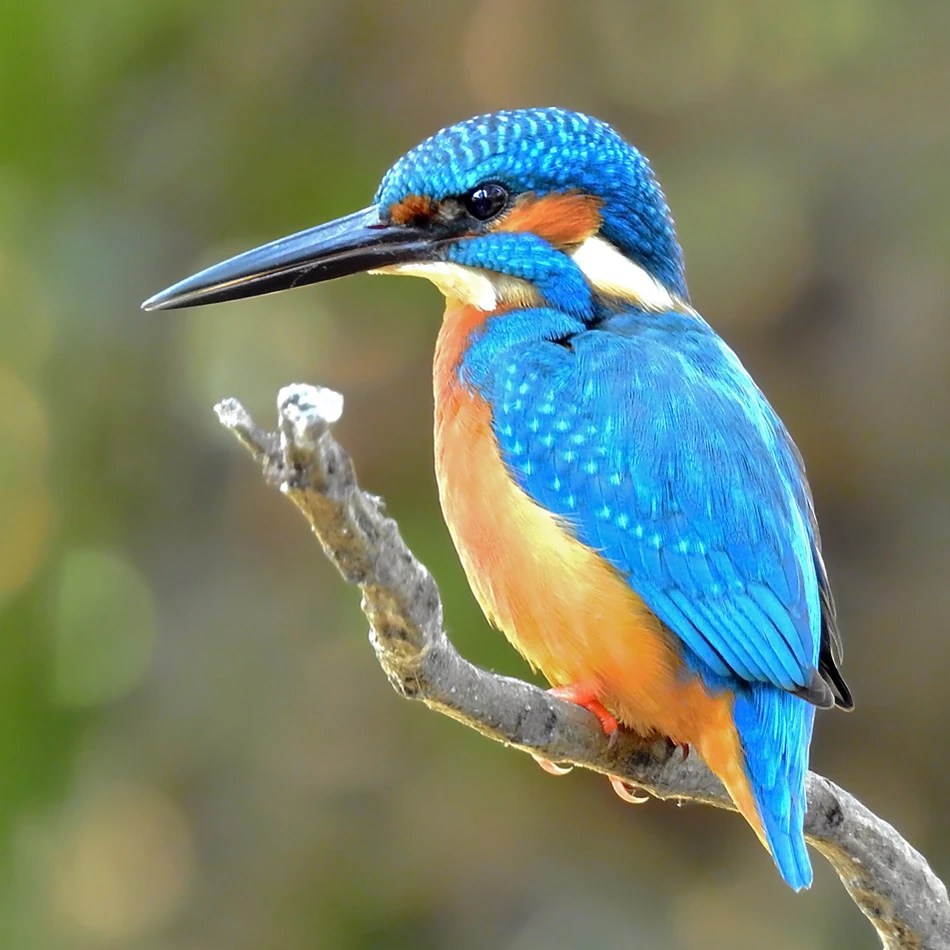
One of my favorite poems was written by the English poet and Jesuit priest, Gerard Manley Hopkins (1844-1889), from whom I have received inspiration in my continuing desire to glorify God by helping others perceive and give thanks for beauty. The poem from which I have borrowed my title for this post, provides a wondrous example of his gifts at work. I quote his poem here in full:
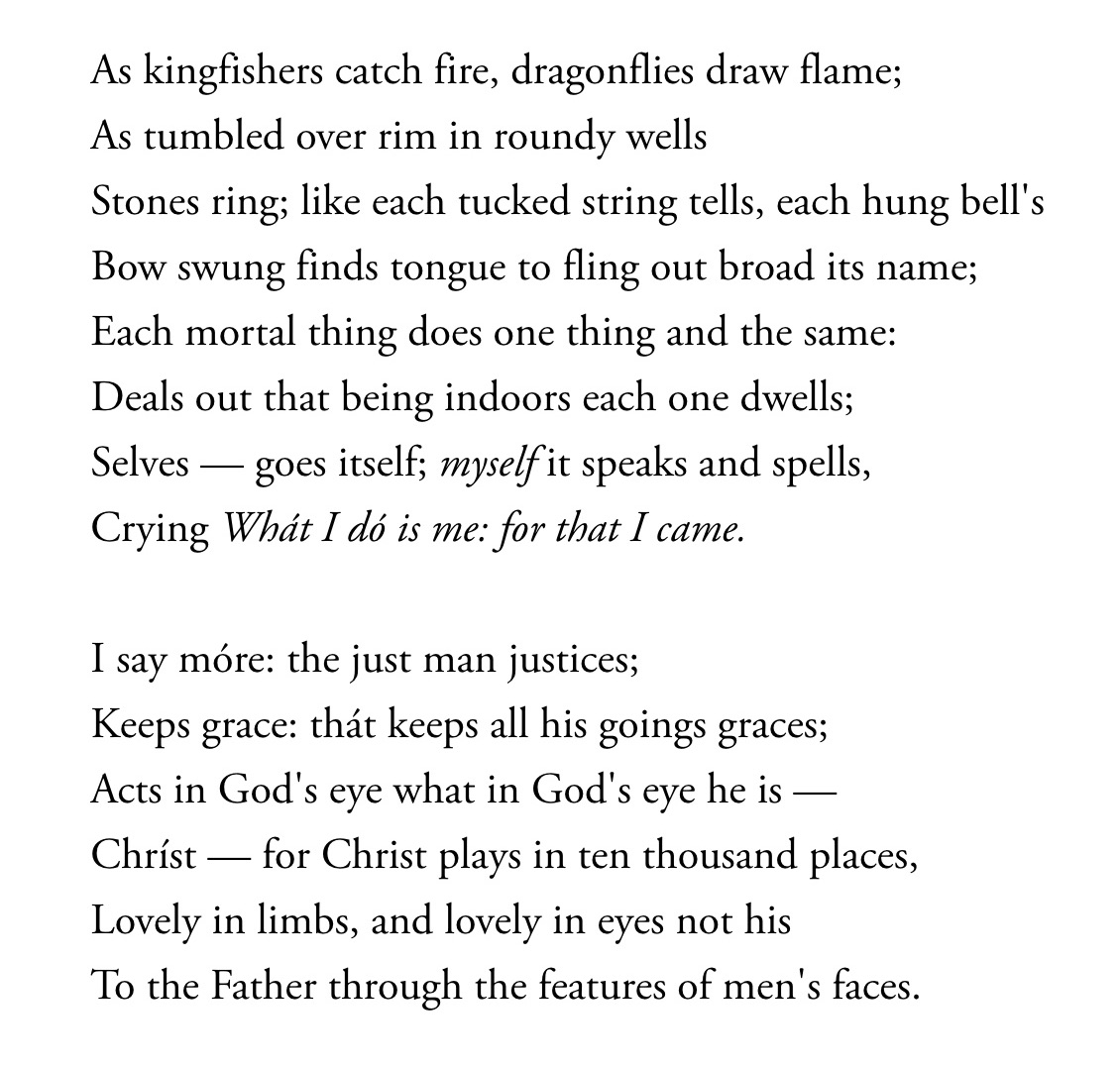
Reading poetry with insight does not come naturally to me, though I much appreciate the art form. As many others do, when approaching a poem like Hopkins’ “As Kingfishers catch fire,” I rely upon essays written by interpreters trained in literature. Since poems involve verbal communication, it may be that sharing insight about a poem with words is a more fruitful endeavor as compared with attempting the same regarding a painting. Yet, I believe that – as with most art forms – we can best express the things that have caught our attention and stirred our spirit in the paintings and poems that have stayed with us. Here are some aspects of Hopkins’ Kingfisher poem that continue to draw me in when I read its lines and speak its words aloud.
In this poem, Gerard Manley Hopkins displays what I consider to be an essentially “Catholic” sensibility when reflecting upon the world and our place within it. Here, his suggestion of the inner relationship and yet the difference between God’s mission in Creation and in Redemption, stands out to me, as does the continuity that may be perceived between the two. Order, purpose, meaning, and – yes – beauty, are to be found in God’s handiwork. The patterns we discern in nature attest to God’s intentions for us and for all other things touched by God’s ‘hands’ and by ours, and so we are reminded to look within ourselves for the same kind of purpose.
In discerning something of God’s purposes for us, we act in accord with what we observe and come to know. We are created to be just and so we choose to act justly. And we are created and then blessed further with God’s grace to be instruments of the same beautiful love. Risen Jesus, who comes to be with us, and then in us, manifests his divine role, inhabits our being, and brings new life to where it was not. In us, among the myriads upon myriads of those who see his beauty, who say, “Yes.”