Eastern Christianity

48 Years Ago Easter Turned My Life Downside Up

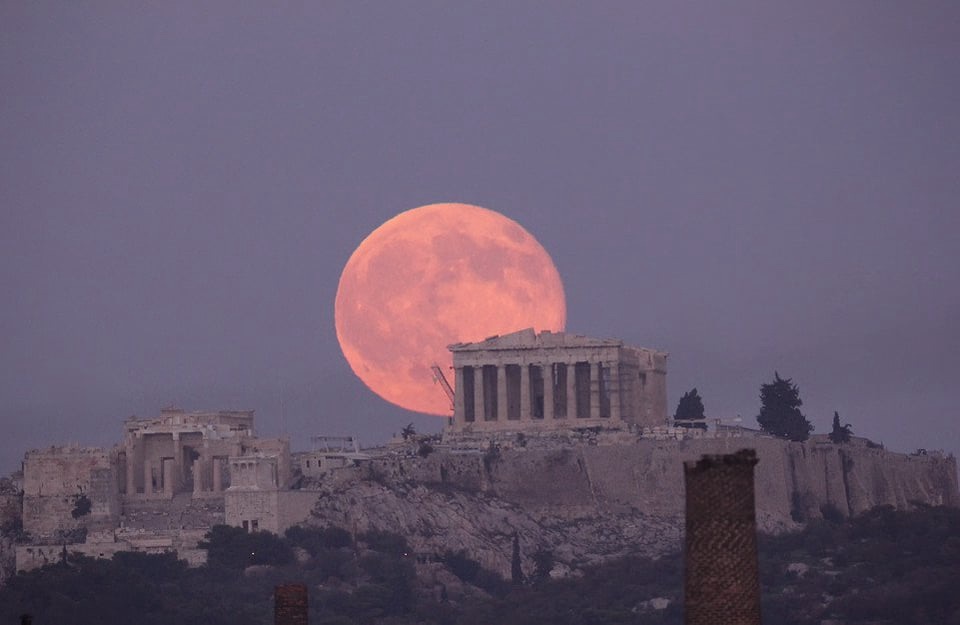
Moonrise over Athens, much as I remember it

A dusky early evening left a soft glow on the Acropolis, periodically visible as I walked from the hostel toward the church. Yet, the size and warmth of the rising full moon held my attention as its blush touched the hills, for a brief while silhouetting the pillars and pediments of the Parthenon.

It was the evening of Holy Saturday, which fell on March 25 that year. In other years the day would have been the Feast of the Annunciation, but in 1978 it was the eve of Easter Sunday. I walked the short distance to Syntagma Square, to revisit the Anglican parish I had found that morning. Now, in the approaching darkness, I was returning to make my first confession, and be baptized at the Great Easter Vigil.
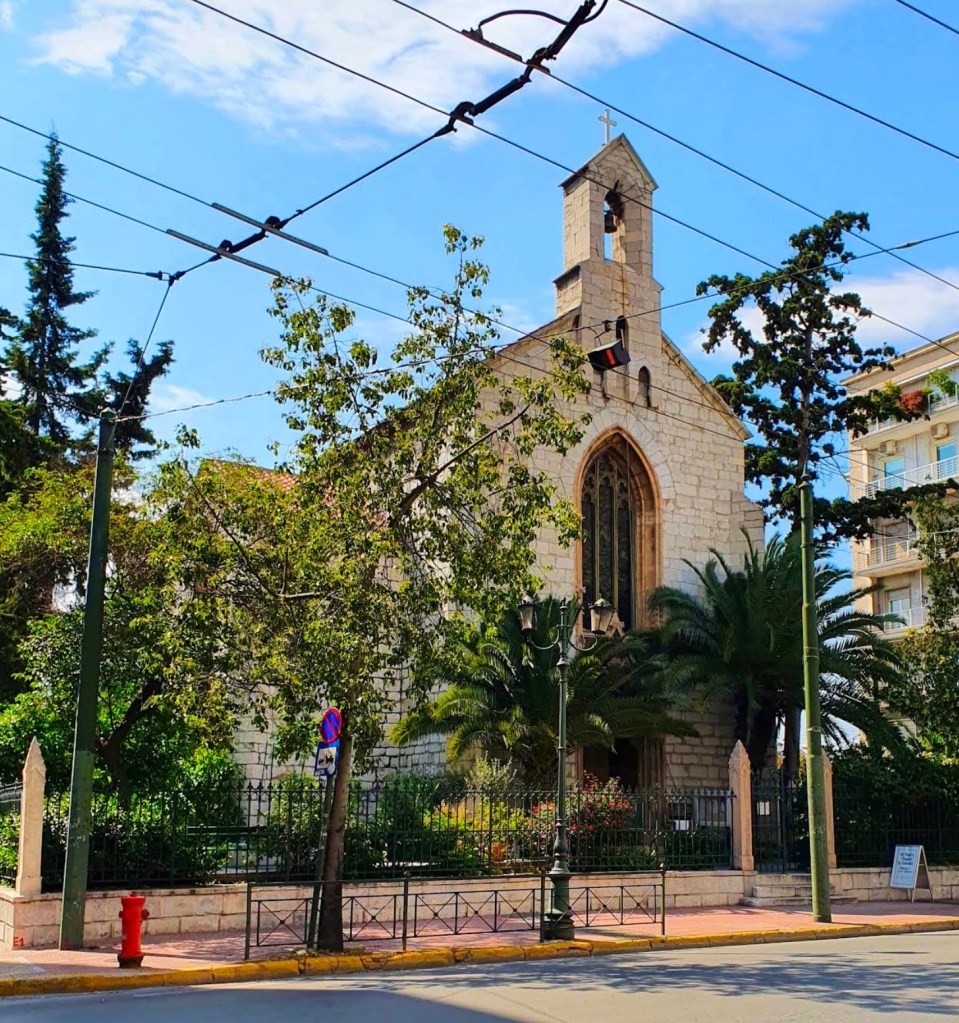
St Paul’s Anglican Church, Athens

How this came to be was largely due to providential grace, for I had not traveled to Greece with this particular result in mind. I was on a college year abroad, having lived and studied in Florence during the autumn. Then, after Christmas in Germany, I traveled to England for two eight week terms of study at Oxford. My plan for the year was to focus on Art History, fulfilling in part my chosen college major.

But, as in the biblical Damascus Road surprise, when first walking into the piazza around the Duomo in Florence, I experienced an unexpectedly sudden conviction: That it was time for me to surrender to the divine power I had come to recognize but had yet to affirm. Asking if there was an English-speaking congregation nearby, I was directed to St James Episcopal Church near the American Consulate. Over the next few months, and with the guidance of Fr. Edward Lee, the parish became for me a place of spiritual nurture.

The autumn course of studies for our group of visiting students in Florence was a fixed one. But my subsequent program in England allowed me the freedom to choose a personal area of focus. The exotic sounding topic of Christian Mysticism had been commended to me, and upon naming this to my Oxford program administrator, I learned that she could arrange tutorials for me with a recognized specialist in the field. What a blessing this turned out to be.
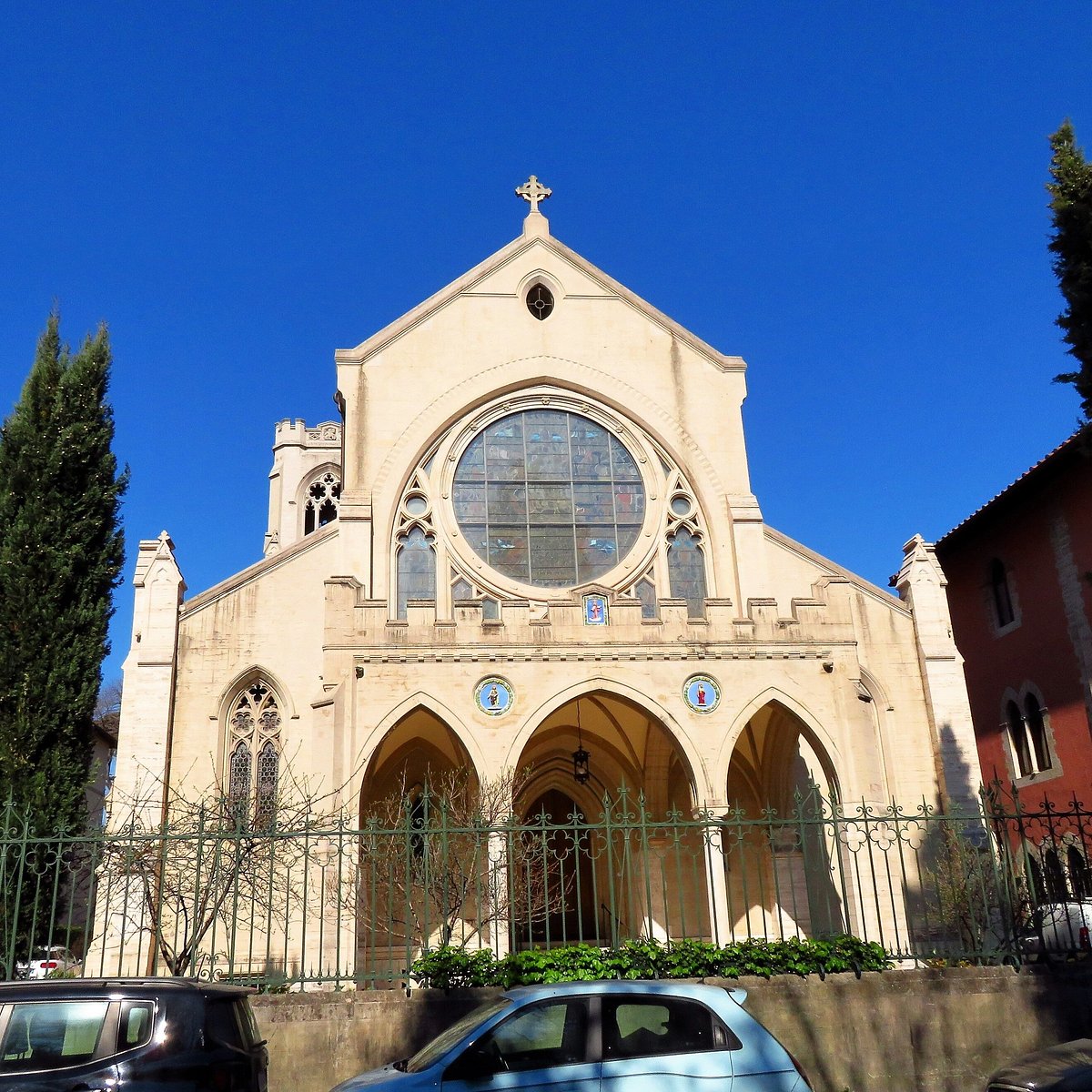
St. James Episcopal Church, Florence, Italy

And so, during a cold and wet English winter, my catechesis in the Christian Faith was suddenly deepened. My growth was fed by readings from the early desert saints, on through to the spiritual writers of the medieval period. My study experience was complemented by a different approach to worship from what I had encountered in the liturgy at St. James Episcopal Church in Florence. By chance, I discovered Pusey House and Anglo-Catholic liturgy soon after arriving in Oxford. Passing by a notice board, I saw an announcement about an upcoming sermon focused on the spirituality of Thomas Merton, whose Seven Story Mountain autobiography I had read the year before. Fr. Cheslyn Jones, the Chaplain at Pusey and a specialist in the Greek New Testament, along with the history of liturgy and spirituality, became my next catechist.
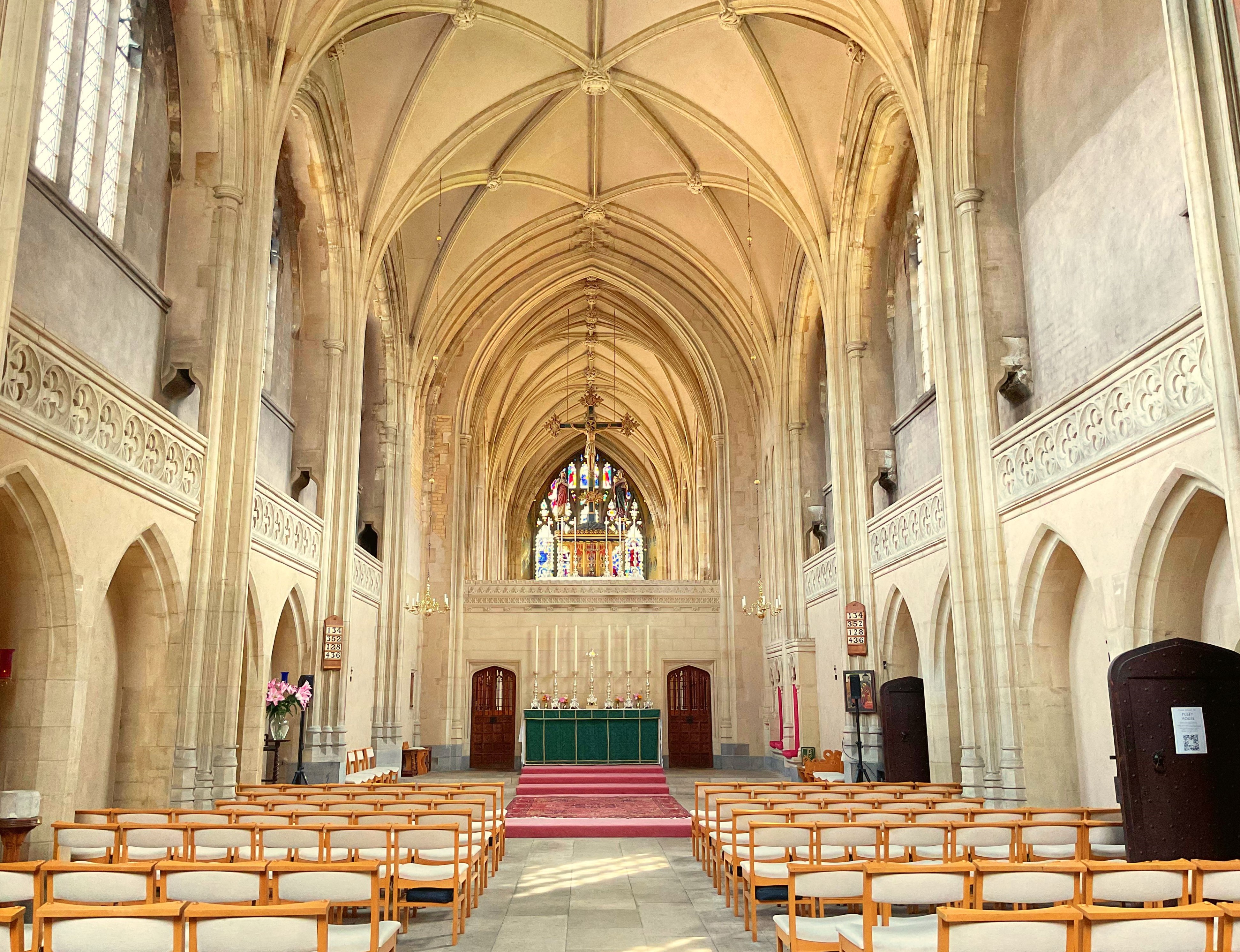
Pusey House Chapel, Oxford, England

At the end of the Hilary (or winter) Term, I made the kind of plans many American students undertake hoping for spring warmth: To head as far south as cheaply possible, for what in my case would be a six week break before the Trinity Term.

I found a used tent and some economical camping supplies in local shops in Oxford, and located a round-trip bus ticket from London to Athens, offered by a discount travel bureau. This led to a remarkable pair of journeys to and from the continent, crossing between Dover and Ostend, through Belgium, Germany, Austria, and Yugoslavia, before finally arriving in Greece. Deposited on an Athenian curbside on an early afternoon, I found a local bus to the port of Piraeus. There I arranged for an overnight passage to Crete on a vintage island cargo and passenger ferry. The next morning, I bought a bus ticket to the south coast of Crete, going to a place a friend had recommended, the little seaside town of Ierapetra, near where St. Paul’s ship had sailed off the coast (Acts 27). Aside from my basic gear, I had brought along only a New Testament and a book of the sayings of the Desert Fathers for my Lenten reading. My plan to do a lot of fasting for spiritual reasons fit neatly with my need for economy.

My first couple of nights were spent in a farmer’s field, above the town and seaside. I awoke one of those mornings to a rapping on the tent pole that alarmed me, sensitive to a probable complaint about my trespassing. Instead, there was a kind man, his arms folded across his chest, cradling fresh tomatoes and cucumbers. I was very touched.
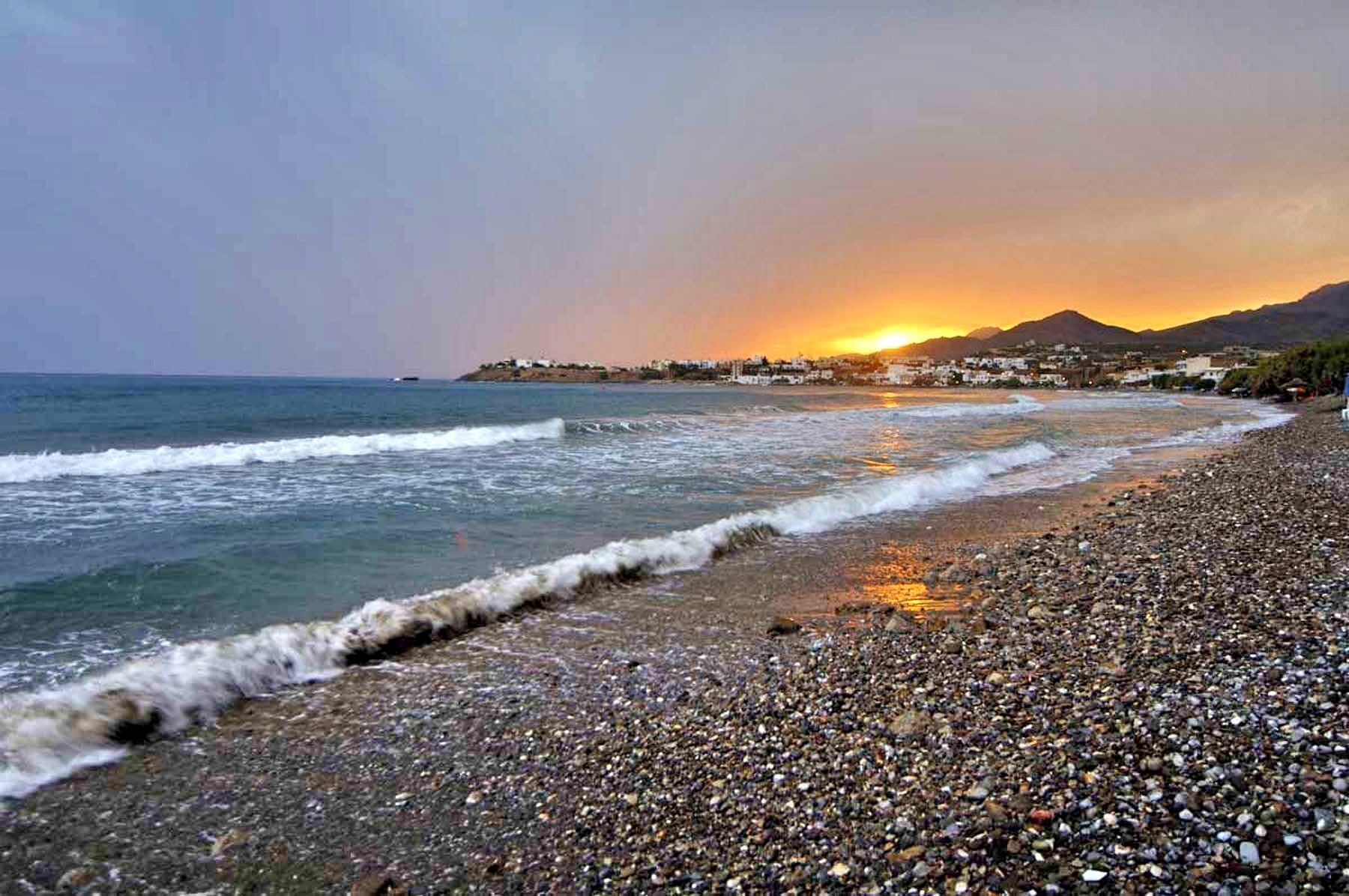
The beach along which I walked to Ierapetra on Crete

After a few days I relocated my tent to an area just above the pebbled beach, adjacent to the long shore upon which I would daily walk to the town. There I would buy a loaf of hearty brown bread, some cheese and sausage meat, as well as more tomatoes and cucumbers. These became the staples of my diet for about 5 weeks.

With just a couple of weeks to go before my return journey to England, a friend from our study program found me on Crete. He was conflicted and wrestling with a need to fly back to the States to be reconciled with his father. After a day or two, he resolved to act on his intuition, and departed on his long journey home.
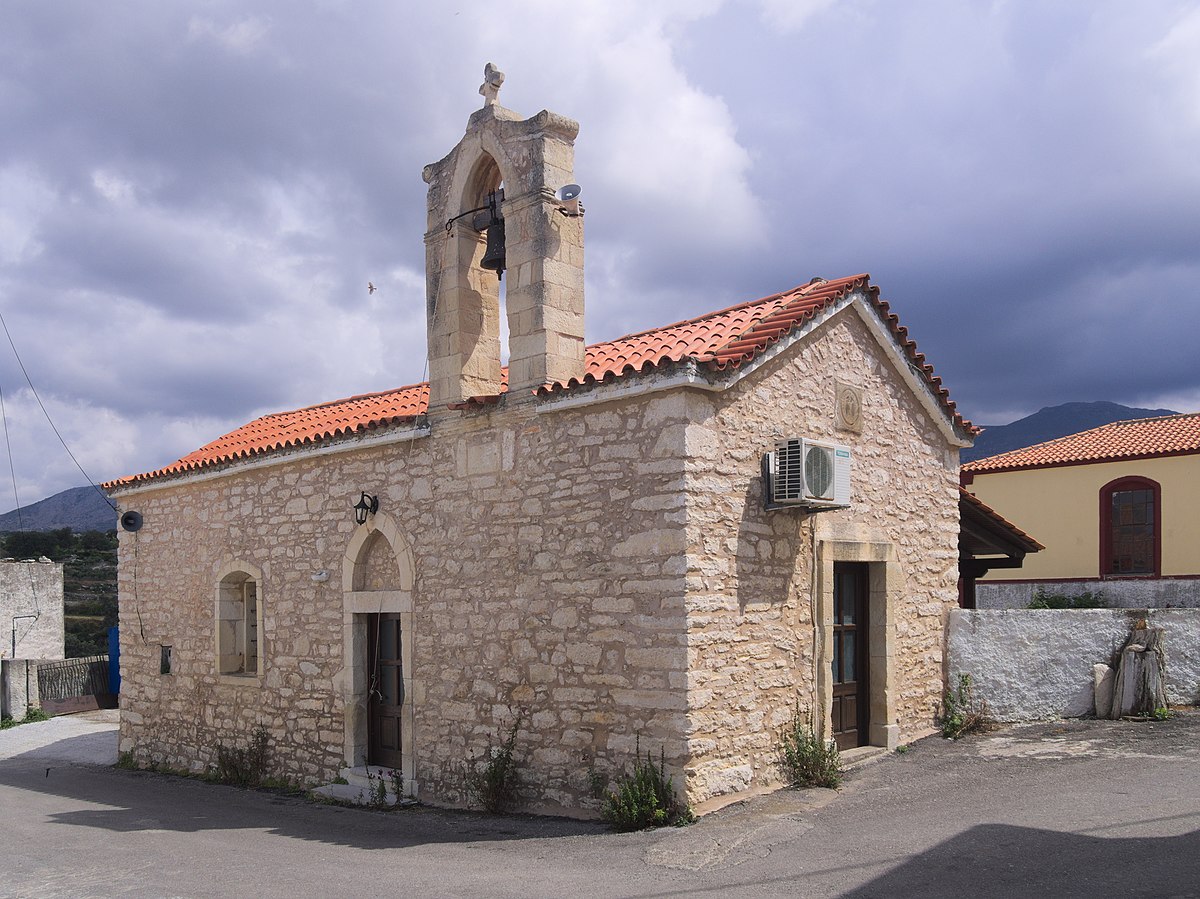
A little Greek Orthodox church like the one in which I prayed on a morning of decision

Musing about his decision, I realized that I was moving toward a similar resolve, but that in my case it was a need to be reconciled with our spiritual Father. I was still fuzzy about what this might mean in concrete terms, but awoke the next morning with greater clarity. I walked into town to pray in a small Greek Orthodox church when I realized what I needed to do. That was to go back to Athens, find an English Church, and ask to be baptized. Fetching my sleeping bag from the tent and my New Testment, I booked a bus ticket back to the north shore of Crete for a return to Piraeus on the same overnight ship. It was then I learned that it was Good Friday.
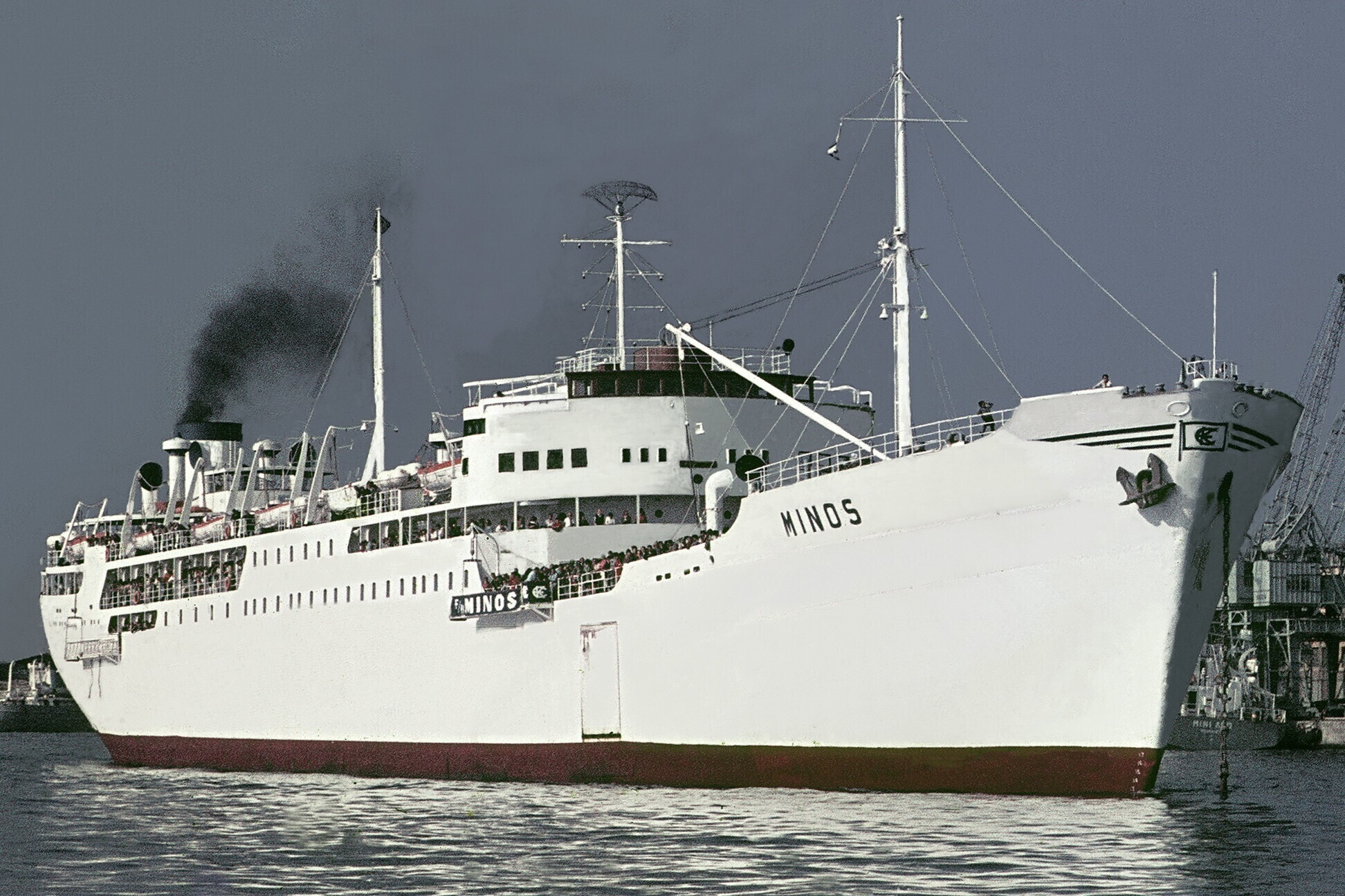
The Greek inter-island ferry ship, the Minos, upon which I sailed overnight between Piraeus and Crete

Holy Saturday morning, the bus from Piraeus dropped me at Syntagma Square in central Athens where – very conveniently – I found St Paul’s Anglican Church. Reading the church sign with its parish notices, I learned the name of the priest, Fr. Jeremy Peake, and his telephone number. Taking the risk of calling him early on Holy Saturday morning, I surprised him with an unanticipated but what I hoped would be a welcome request: I wished to be baptized. In a wonderfully understated British way, he responded by saying, “Perhaps we should talk about that!” He then invited me to come by for coffee. When I shared with him about my months of study, and with whom I had been receiving instruction in the Christian Faith, he was reassured. Warmly, he invited me to come early to the church that evening to make my first confession, and receive Baptism at the Great Easter Vigil.
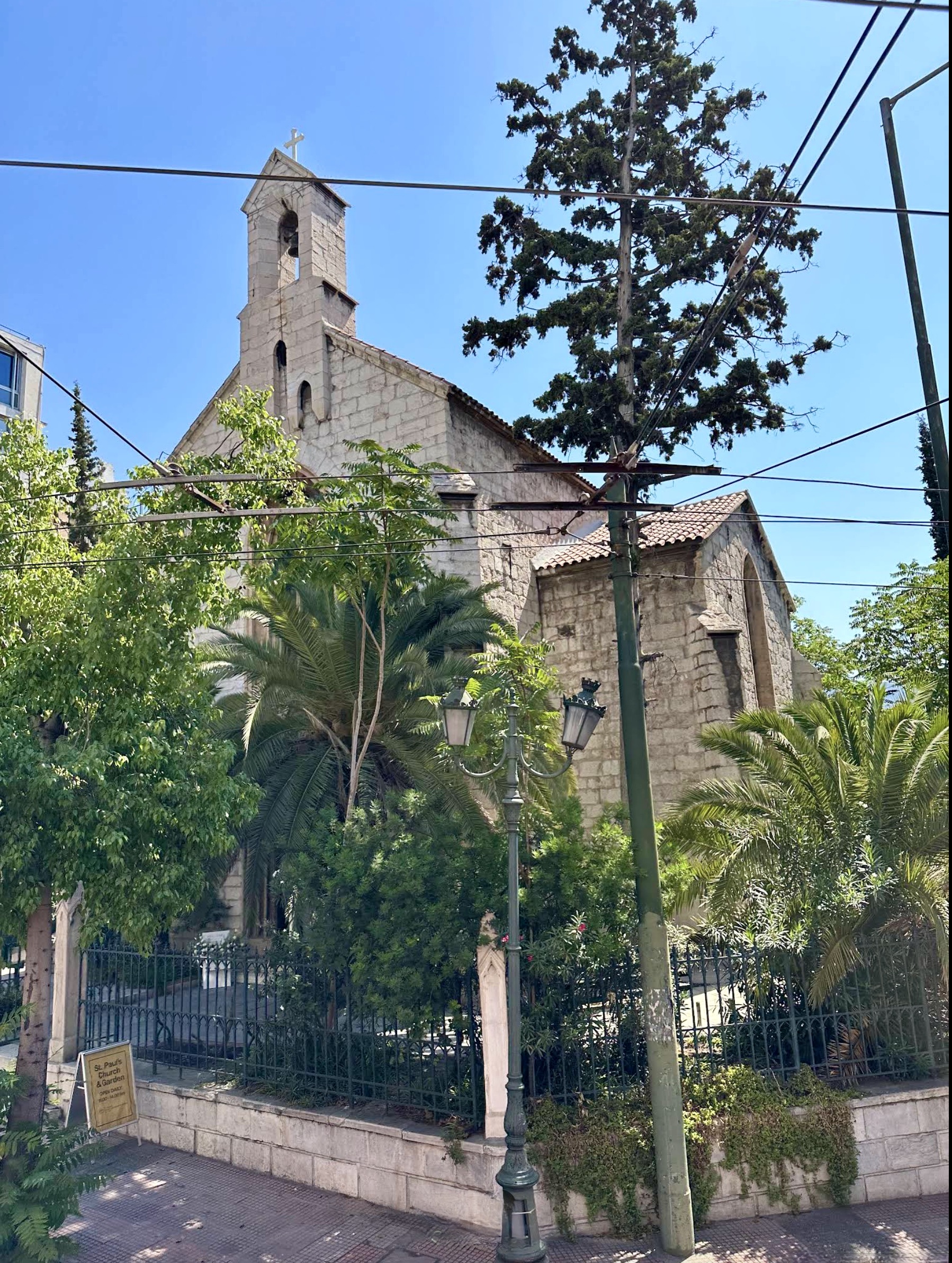
The garden area where new light of Easter was lit

The liturgy began in the darkened forecourt of the parish church, just off a main boulevard in central Athens. Amidst the busy sounds of the city around us, we gathered in silence to light the new fire with which the liturgy begins. Being my first experience of the Vigil, I was quite moved by the sequence of readings, starting with the Creation, through the Fall and the Flood, the Exodus and entrance into the Promised Land, with stories of God’s covenantal grace being extended and renewed again and again. When I was then baptized, I felt like I was on fire, an overwhelming experience of cleansing embrace and transformation. I received communion as a new member of the Body of Christ, and left the liturgy feeling like I was several feet off the ground.

On Sunday morning following the Eucharist I was invited to lunch by the kind couple who had agreed to be my sponsors for Baptism. During that wonderful meal, they explained a practice with which I was unfamiliar: Easter eggs all colored dark red, recalling a wonderful Eastertide legend associated with Mary Magdalene.

After a further week in my tent near Ierapetra, I returned to Oxford for another term of formation in the history of Christian spiritual theology. At the end of the term, I received the sacrament of Confirmation through the hands of a suffragan bishop of Winchester, at Pusey House on Pentecost Sunday.

My experience of what now seems to have been a magical series of months, forty eight years ago, comes back to me every Easter. Especially when the Feast of the Annunciation on March 25 happens to occur near Holy Week, as it did this year.


Additional note: Readers interested in the legend about St. Mary Magdalen and the red egg might like to read my earlier post on this topic, which may be found here. A further reflection of the impact of the story I share here can be seen in the opening chapter and the thematic structure of my book, Ethics After Easter.

Finding Beauty in Easter Living

A book for the New Church’s Teaching Series

Visitors to this space are familiar with my fondness for the words of St. Richard of Chichester: “Day by day, dear Lord, of thee three things I pray: to see thee more clearly, love thee more dearly, follow thee more nearly, day by day.” The theme can be expressed more compactly: We seek to live more nearly as we pray. These words voice our desire to walk a path of beauty in life, such as we find in ‘Easter Living.’

While serving as an Assistant Professor at one of our seminaries in The Episcopal Church, I was invited by the editor of the New Churches Teaching Series to write the volume on Ethics and Moral Theology. This was the third such series of books going back to the 1950’s that seek to provide learning for persons interested in our tradition. Books in these series have addressed a wide range of areas in faith and community life pertinent to our common desire to become informed members. I wrote my book while teaching its content in the seminary, and in about 10 different parish weekend teaching events in Episcopal churches across the country, ‘field testing’ the material. My book was published in 2000, and is still in print. I wish to note that proceeds from all the books in this series were and are donated to the Anglican Theological Review, an independent journal offering the fruits of scholarship for the benefit and educational formation of those within as well as beyond the academy.

At the time of being granted tenure, a seminary trustee asked me what the title of the book implied about its content. It became evident that her concern was focused on my use of the word “after.” I was able to explain that I used the word to mean “in light of.” The book’s title is an indirect tribute to the theological vision of my doctoral supervisor, Oliver O’Donovan, then Regius Professor of Moral and Pastoral Theology at the University of Oxford, whose book, Resurrection and Moral Order, has had a profound impact upon my thinking.

It may be helpful to clarify that I use the terms “Christian ethics” and “moral theology” interchangeably. However, it is worth observing that many within the wider Protestant tradition tend to prefer the term “Christian ethics,” while those within the wider Catholic tradition tend to use that of “moral theology.” Note that “ethics,” as a named field of inquiry without the religious qualifier, is generally understood as a branch of philosophy, which may or may not observably underpin theological writings relevant to this field.

I would like to highlight a number of themes evident within and or suggested by the structure my book, which I think are particularly relevant to Christians at this point of time:

  • Foremost, the interdependence between ethics and spirituality, which I refer to as ‘two sides of the same coin’ despite their separate spheres of concern.
  • The centrality of Baptism in the lives of every Christian believer, and its implications regarding the vital relationship between what we believe and how we live
  • Our historic Anglican dependence upon the natural world as a source of insight about the Creator’s intentions for us and for our lives. This reflects our traditional emphasis upon the Incarnation of our Lord in human embodiment. We look for the complementarity between – but do not equate nor confuse – what the Medievals called the Book of Nature and the Book of Scripture, ‘written’ by the same Author, while having different even if overlapping purposes.
  • The distinctions that I offer between what I call “laws,” “manners,” and “moral principles.” Neglecting to distinguish among what these terms represent frequently causes confusion.

The final chapter of the book moves from elaboration of basic principles in Christian ethics/moral theology to an application of these principles by offering a methodological approach to how they might be applied with reference to a particular set of ethical questions, centering on how we approach a broad concern for all of us: “Should a Christian ever been involved in or associated with an act of violence?”

I wish to stress that this is not a book about “issues.” My goal was -and remains – an effort to recover and present the foundations of a solid Christian world view for how we might best approach any issue that may be of concern. So, this is not a book where you can turn to the index and look up such matters as capital punishment or a discussion of what might be a fair interest rate on loans. I try to remain careful about observing the important distinction between moral or ethical principles that we might share, and particular policy implementations that we then undertake to reflect or enact those principles in our common life.


For those who may be interested, I include here a précis of the structure of my book, articulated in the series of Axioms that are appended within it, as well as bullet point chapter summaries:

… always and everywhere …

(An earlier than usual post — for your Thanksgiving Week!)

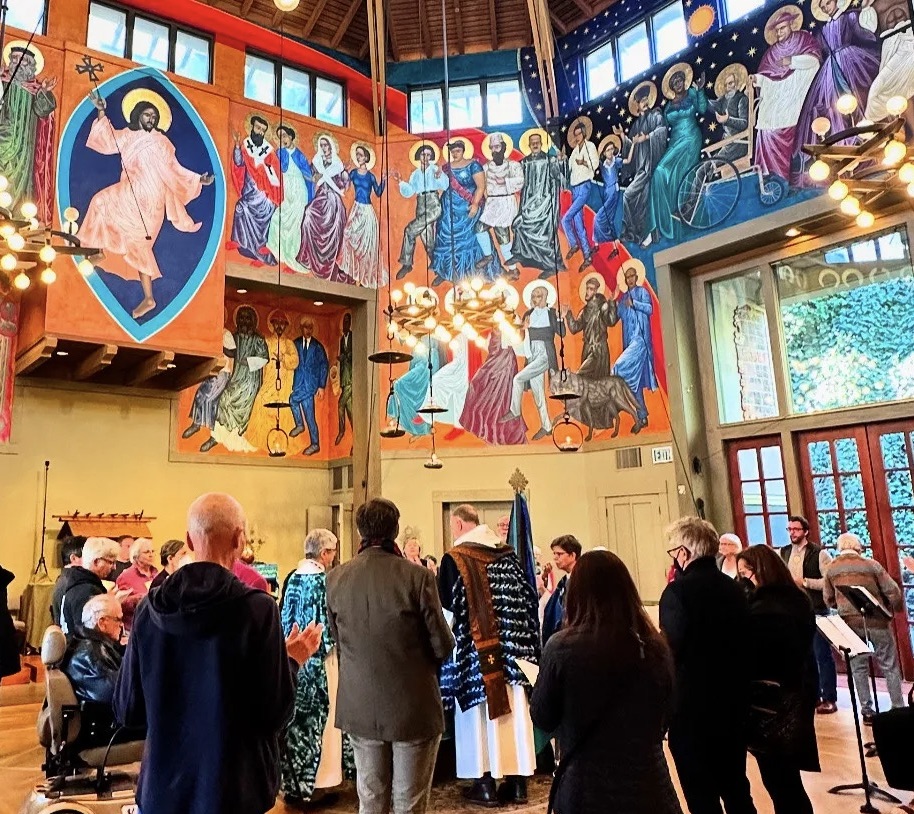
A lively celebration of the Eucharist, or The Great Thanksgiving, at St. Gregory of Nyssa Episcopal Church, San Francisco

It is right, and a good and joyful thing, always and everywhere to give thanks to you, Father Almighty, Creator of heaven and earth.” So begins the body of one of the Eucharistic Prayers in The Book of Common Prayer, as used in Episcopal Churches for the celebration of Holy Communion. “Always and everywhere” – these words regarding giving thanks remind us of the characteristic posture of the Church, and of all of its members, whether at worship in their parishes or at work or play in the world around them.

When Baptized Christians gather for a celebration of the Lord’s Supper, they remember that “the Lord Jesus on the night when he was betrayed took bread, and when he had given thanks (eucharistesas / εὐχαριστήσας), he broke it, and said, ‘This is my body which is for you. Do this in remembrance of me’ (1 Corinthians 11:23-24).” What we as Christians do in a formal way, when gathered for the Eucharist, enacts our normative way of shaping our whole lives. Which is always and everywhere to offer thanks to God for mercy and grace, and for God’s love poured into our hearts by the Holy Spirit. For we seek to live as we pray: Offering thanks to the Father, through the Son, in the power of the Holy Spirit.

“Give thanks in all circumstances; for this is the will of God in Christ Jesus for you.” Paul shares this counsel in his first letter to the Thessalonians (5:18). These words are sometimes mis-remembered as saying, “for all circumstances.” The difference between the two prepositions, in and for, is significant. In our daily rounds, it is very difficult for most of us to be thankful for adverse circumstances and experiences, and we find it hard to reconcile their occurrence with the oversight of a loving God.

Yet Paul believed in the doctrine that we call Providence. He firmly believed that the evil conditions and events that we experience in this life are not in themselves acts of God, imposed upon us by the divine will. Instead, they are things that are allowed to occur by a God who loves us and who intends our good. This is clearly a mystery to us, on this side of the veil separating us from the eternal.*

Another Eucharist at St Gregory of Nyssa

As we well know, the society in which we live in the United States sets aside one day of the year as a public holiday that is called Thanksgiving Day. Its history lies in a presidential proclamation by Abraham Lincoln. Yet, regardless of the circumstances of its origin, the day is widely celebrated by many who are unfamiliar with its history, and who may identify with traditions, practices, and holidays passed on from other cultures. This is only proper, as giving thanks is a universally human act. The people and circumstances, and the particular reasons for it, may all differ. Yet, the spirit of the act is the same.

I have heard it explained, that the sanctuary candle we see in the sanctuary of some churches is to remind us that God is present. The implication of this explanation might be misconstrued in such a way as to suggest that God’s presence elsewhere might not be as assured. Yet, the explanation can also be understood positively, as saying something like this: “This candle is here to assure us of God’s presence. We keep a candle here lit perpetually to remind us that God is always and everywhere present, even in the darkness or when we are alone elsewhere.”

Celebrating Thanksgiving Day can bring with it a similarly positive understanding. We give thanks formally, as a nation of many peoples, on one day of the civil year as reminder that giving thanks should be natural for us every day of the year. And the thanks we should offer are for the good things we enjoy with those whom we know and love, but also for things, people, and even institutions, about which we may be indifferent or even disapproving.

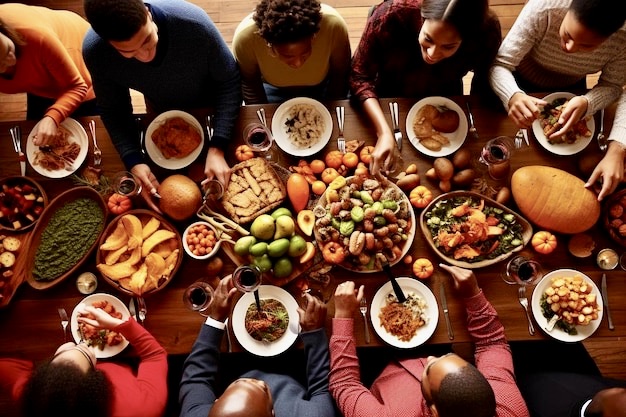
Gathering for a shared meal in the context of a spirit of thanks

In this spirit, I would like to share a prayer found in The Book of Common Prayer, that is principally used in the closing portion of the rites for Morning and Evening Prayer. It is therefore not specifically designated for use in observance of our national celebration of Thanksgiving Day, though it could be. This is a prayer intended for use everyday, and is a fine one for us to use at our celebrations this week:

Almighty God, Father of all mercies,
we your unworthy servants give you humble thanks
for all your goodness and loving-kindness
to us and to all whom you have made.
We bless you for our creation, preservation,
and all the blessings of this life;
but above all for your immeasurable love
in the redemption of the world by our Lord Jesus Christ;
for the means of grace, and for the hope of glory.
And, we pray, give us such an awareness of your mercies,
that with truly thankful hearts we may show forth your praise, not only with our lips, but in our lives,
by giving up our selves to your service,
and by walking before you
in holiness and righteousness all our days;
through Jesus Christ our Lord,
to whom, with you and the Holy Spirit,
be honor and glory throughout all ages. Amen.


*A note about the distinction offered above, regarding what God allows: Readers may wish to consider the way that Aristotle, and others since, have distinguished various dimensions of the idea of ‘cause,’ or causation (four dimensions have been articulated in the Western tradition). “Efficient cause” is the familiar form of the word cause, as in causing a row of dominos to cascade forward. “Final cause” can be conceptually helpful, especially as we think about God drawing persons and events toward their fulfillment in Christ. In this sense of the word cause, instead of our thinking of God as pushing events forward, some of them good and some perhaps bad in our eyes, God summons, and pulls toward the future, those people and things that may be made whole in Christ (ie, those that are open and willing recipients of his Grace), to their true end.

The Beauty of ‘Something Further’

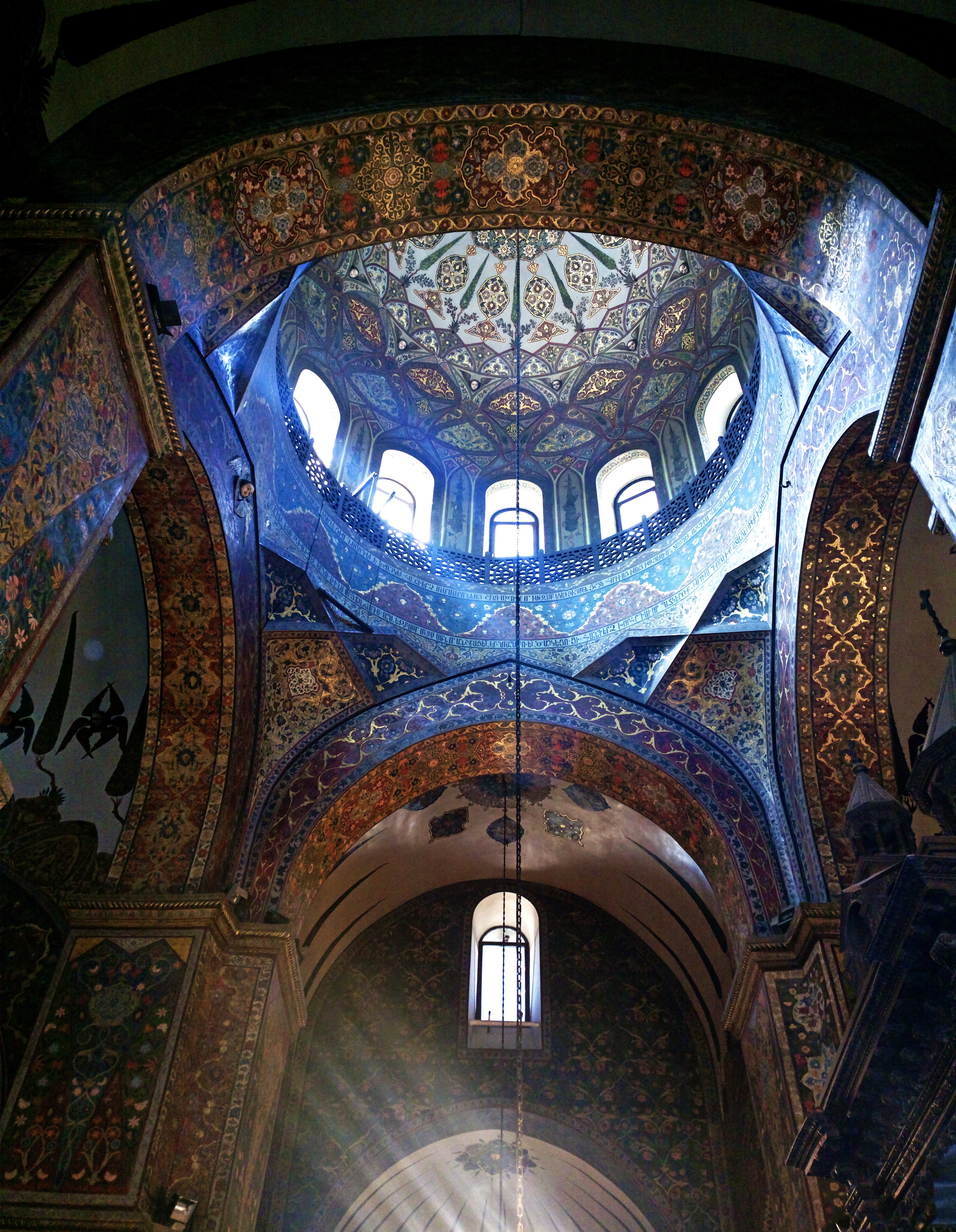
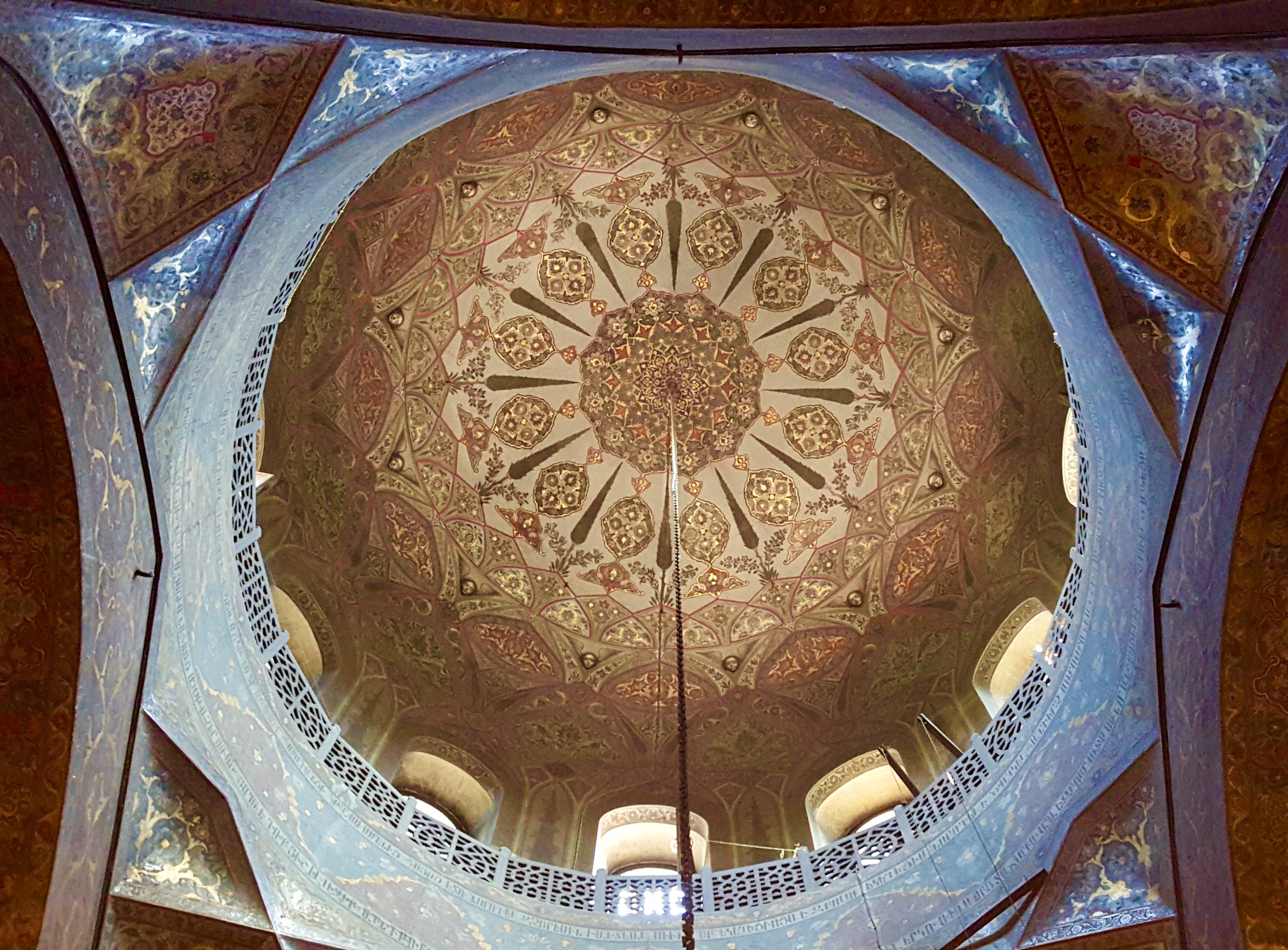
An interior dome, Etchmiadzin Cathedral, Armenia

{This past week I had the honor of offering a homily at the funeral of my longtime friend, Tom, a neurosurgeon and person of faith. What follows is a portion of my homily.}

People in our culture who have been trained in the sciences and who work in medicine can face a particular challenge. They can find it hard to grapple with the intangible aspects of the spiritual life. Walker Percy is a great example of someone who overcame this apparent divide. For Percy, like Tom, was very smart and educated in the medical arts. Like Tom, Percy came to see something very important: we rely upon science to explain too much of the world. And, if we are honest and sensitive in our inquiry, we come to see how – through science alone – we cannot understand ourselves.

Tom, with his advanced work in surgery and in neurology, knew far more about our brains than most of us will ever know. And yet, he also was quite aware of the limits to such knowledge. He was sensitive to how ‘our minds,’ though inextricably connected to our brains, always somehow transcend what we know about brain function. And therefore, despite our continuing advances in understanding neurophysiology, there remains this ineffable, something further, about what it means to human, this thing that non-specialists like the rest of us, as well as priests and pastors, call our souls.

Walker Percy might have put it in terms like this: We can learn the names and composition of the myriad of chemicals that are a part of human brain function. And therefore, as conscious subjects, we can approach our brains as objects of study. Yet, paradoxically, we, as the subjects of our studies, can never really know ourselves as the objects of our studies. There will always be something beyond, something further and equally real about ourselves, even if not fully measurable. And this ‘something further,’ believers call our souls. For even the most brilliant neurologist, even the most perceptive psychologist, can never really know him or herself, just as I – at least in this life, on this side of the veil – can never really know myself. Only God can. And only God does.

Etchmiadzin Cathedral

Physicians can map how our physical bodies eventually fail us when we get older, and cease to function ably as before. But what our physicians and scientists cannot map – at least not yet – is how our consciousness can survive this breakdown in our physiological function. Yet, somehow we continue in self-awareness, and in our awareness of others, especially that great Other One. And we will probably never be able to map, in terms we understand, how we come to have conscious contact with our Creator and Redeemer. For our conscious contact with God happens through God’s loving embrace of us. This is the embrace into which we have all been received – even if we are not conscious of it, and especially when we have not chosen to refuse it.

Tom consciously chose to recognize and accept this embrace. And he put his trust in it, even if – as an accomplished scientist – he could not explain it. For that, we honor him and his memory, as we continue to have fellowship with him in the Communion of Saints. And as we share with him in our celebration of the Eucharist. For just as our Lord Jesus continues to be present with us, and in us, so all the saints – both Tom and ourselves – and all the faithful departed stand before the throne of the Lamb. In Christ, we are joined together, so that we, too, might also be lost in wonder, thanks, and praise.

Tom knew and believed all this. And that is why we are here today. We can honor Tom for his contributions to the sciences and to the practice of medicine. Here, in this church and in this community of faith, we can join others in honoring what God has done in Tom’s life and work. And more especially, we are here today to honor what God is still doing in Tom’s continuing life. For Tom’s life and consciousness continue, even now, in and through God’s loving Grace and favor. His death is the veil that only appears to separate him from us. It disguises the way he is still really connected with us through his Baptism and ours, into Christ’s death and Resurrection.

Chora Church, Istanbul

Most enduring is this truth. And it is a truth for all of us to embrace: we have continuing fellowship with Tom, through Christ, in the power of the Holy Spirit. Thanks be to God!

The Act of Joy

An icon of Thomas Aquinas, by Nicholas Markell

A joy that many of us have occasion to experience – either directly or through friends and extended family – accompanies time with young children. Preschool and kindergarten teachers are by the nature of their work in the most favorable position to have this opportunity. The experience of joy we associate with time given in this way stands out for me because it is a shared joy – one shared with and inspired by those young ones who exemplify this virtue. For me, this experience has been awakened especially by my interaction with my granddaughters.

I have written previously about activities that I have enjoyed with our grandson. He shares being a grandchild of ours with six young ‘ladies’ in various stages of growing maturity. Here, I find myself musing about the wonder I have experienced with our granddaughters, who have been the source of some unique experiences for me. Having grown up with three brothers and no sisters, and having three sons and no daughters, I am encountering and learning things with my granddaughters for which I have not previously had the opportunity to experience first hand.

Among our granddaughters is one whom I like to describe as being ebullient. For she just naturally models energetic cheerfulness. She has her challenges, as we all do. But she approaches each new day’s activities with a joyfulness and positive spirit that are infectious. Though being a patient and engaging grandfather is still a growth point for me, I delight in her youthful exuberance.

An image that reminds me of my granddaughters among autumn leaves

I have mentioned before an icon of St. Thomas Aquinas that I particularly value (shown above). I have seen this image attributed to Brother Robert Lentz, but now believe it is by Nicholas Markell. This icon shows Blessed Thomas holding a small plaque with the following words: “Joy is the noblest human act.”

For many of us, joy is a welcome feeling and as such we think of it as something ‘that happens to us.’ Like love and forgiveness, joy therefore is generally an experience we anticipate receiving passively, and an experience for whose value we often rely upon feelings as our guide.

The beauty of Markell’s icon, and the quotation it features, is the reminder it provides that joy is also something we choose, something we do, and not simply something that we happen to feel. We rejoice; we can choose to enjoy; and we are able to express our joy about things we encounter or experiences that we have with others.

We experience joy when we read good books with our grandchildren

We live in a culture that tends to distrust expressions of joy, even though most people we know – and us with them – are sadly in want of it. Perhaps it’s because we encounter so few examples of spontaneous, genuine, and selfless joy, inspired by what we see around us. Is this because there is less beauty in the world these days, or are we less prepared to perceive it? My reflection and training incline me toward the latter belief. 

Joy is not one of the seven formally identified virtues taught to us by the greater Christian Tradition (among then, faith, hope, charity {or love}, prudence, justice, temperance and fortitude {or courage}). Yet, the traditional listing of virtues is not meant to exclude naming others, but rather to help us perceive their common source as well as their unity, being gifts given to us through Creation and through Redemption. Like other virtues, joy is a human capacity and a strength that we can develop through practice.

The rite for Holy Baptism in The Book of Common Prayer includes words that are prayed over candidates after they are baptized. Some of these words are particularly appropriate when thinking about the joy we often see expressed by children, but are also about something that we pray will be given to adult candidates for Baptism. In the rite, the officiant asks God to give the newly baptized persons “an inquiring and discerning heart, the courage to will and to persevere, a spirit to know and to love you, and the gift of joy and wonder in all your works.”

Here we discern a principal attribute of Beauty. In Beauty, among God’s works, we find a repository of joy and a source of wonder. For the beauty that we find in the world embodies and expresses our Father’s love for his Creation. Encountering this love brings us joy as we perceive its source and embrace him.

Today, I am thinking about the joy that each of my grandchildren encourages me to experience with them. I notice the natural joy that many children seem more able to find than do adults of my age. More readily, children delight in the world around them and in the experiences they are blessed to have. At the same time, and especially in this next phase of my life, I am reminded that joy – like Beauty, Goodness, and Truth – is not simply passively experienced. More importantly, joy is something that I want to – and can – practice.

So, with my grandchildren, I choose joy!

I close with a prayer attributed to St Francis, which speaks of joy as something we can contribute to a needy world:

Lord, make us instruments of your peace. Where there is
hatred, let us sow love; where there is injury, pardon; where
there is discord, union; where there is doubt, faith; where
there is despair, hope; where there is darkness, light; where
there is sadness, joy
. Grant that we may not so much seek to
be consoled as to console; to be understood as to understand;
to be loved as to love. For it is in giving that we receive; it is
in pardoning that we are pardoned; and it is in dying that we
are born to eternal life. Amen.