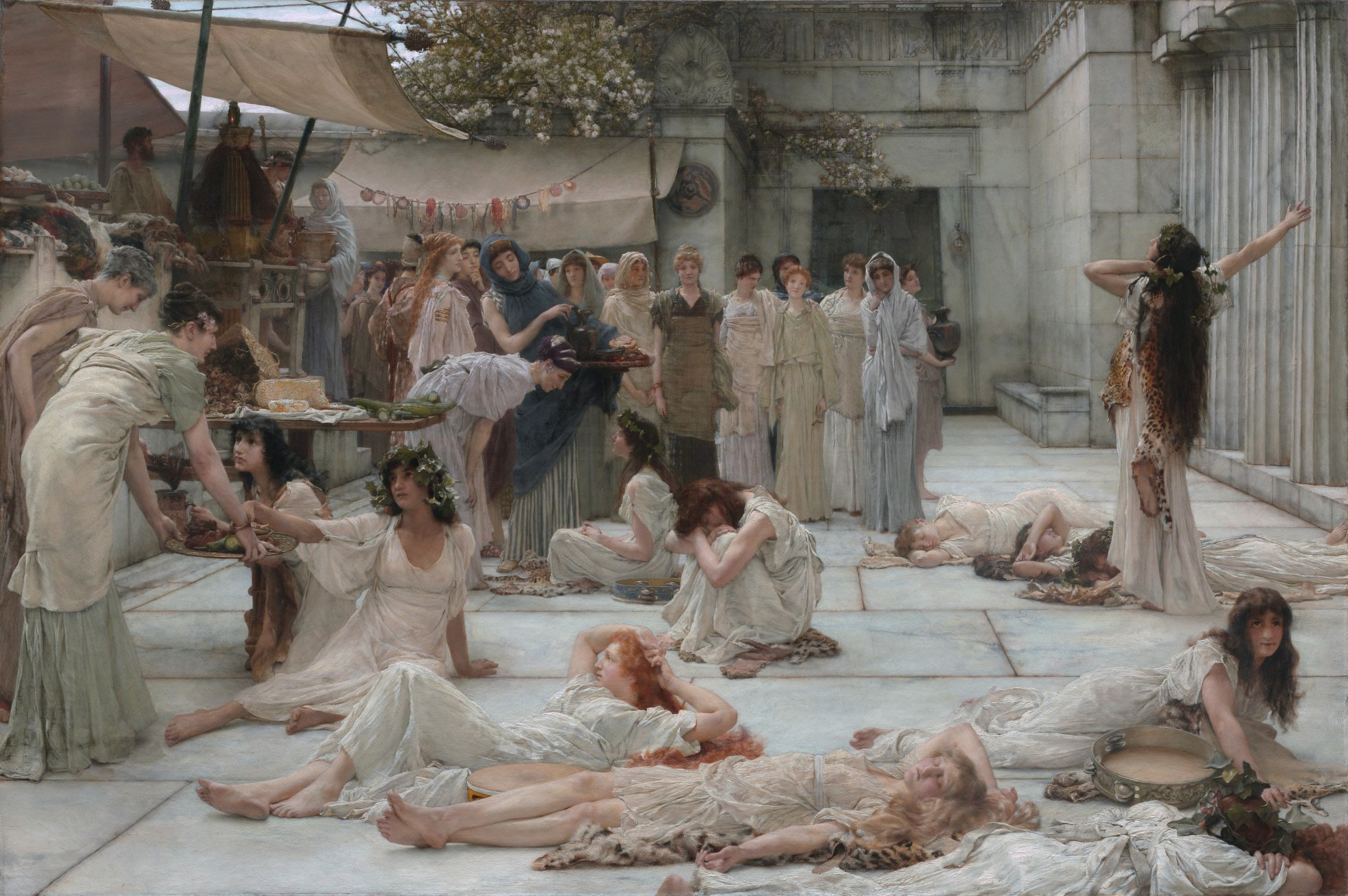
Watching video productions set in pre-twentieth century times, such as the 1995 Pride and Prejudice and the more recent series Victoria, viewers will notice how the word ‘virtue’ is often used narrowly to refer to something women are obliged to protect. This collapse of the wider meaning of the term, and its more specific association with sexual propriety, diminishes a concept which has very wide significance, especially in the history of moral theology or in Christian ethics.
The ancients and their successors teach us that virtue is a strength or capacity that we need to exercise, and which gains stature through our practice as a shaping dimension of a person’s character. And our tradition teaches us that character is a disposition to act in particular ways. Acts shape character, and character is displayed in acts.
Building on what we can discern about the narrowing of the concept of virtue in the Victorian period, we can be happy that the twentieth century became an era in which the broader meaning of virtue was gradually rediscovered in teaching and in writing, both in Catholic moral theology and in Protestant ethics. The writings of the Roman Catholic Peter Kreeft and the Protestant Stanley Hauerwas provide examples of the contemporary recovery of the importance of virtue for how to think about how to live.
In view of this recovery, it is helpful to think about two virtues in particular, sobriety and chastity. In popular thinking and often in conversation, sobriety for many has come to be equated with complete abstinence from alcohol, and chastity is usually understood to mean refraining from sexual relations. This specific diminishment of our understanding of sobriety and of chastity has had an unfortunate consequence – we think of sobriety as of principal concern for those who have had difficulty in not over-indulging in drinking, and chastity as a way of avoiding sexual activity. However, as virtues with a long history of reflection behind them, we will do well to recover the fuller significance of these two terms.
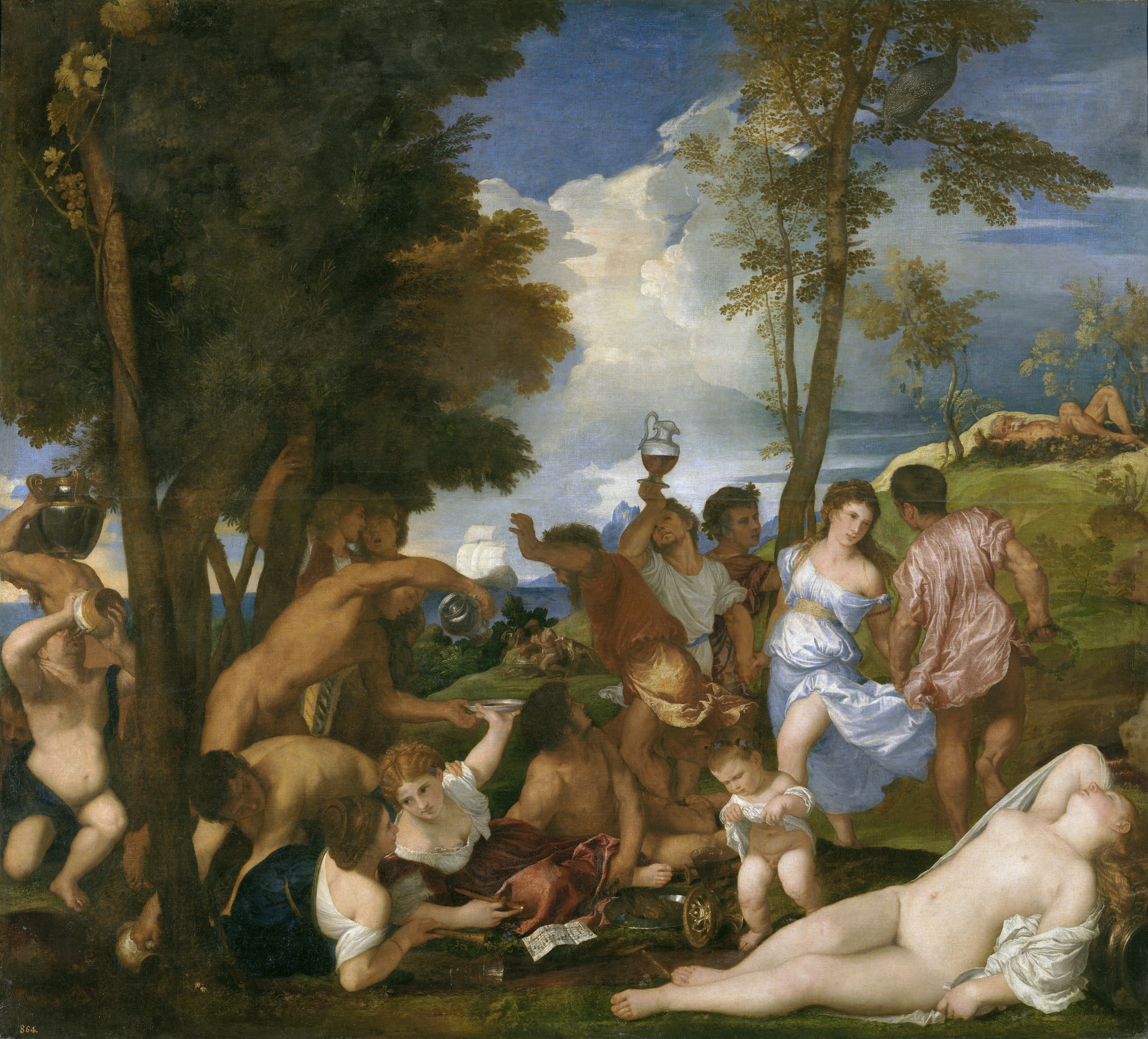
As a virtue, sobriety is best seen as the practice of respecting our bodily integrity and emotional equilibrium in our relationships with others, in both social circumstances and when alone. The appropriate and temperate consumption of alcohol, along with a general indifference rather than a preoccupation with its presence, in our homes or in festive gatherings with others, are features of the practice of the virtue of sobriety.
In a similar way, chastity is also best seen as involving the practice of respecting our bodily integrity and honor in our relationships with others, especially with regard to marriage. In traditional Christian thinking, chastity specifically refers to a respect for the marriage covenant, and more broadly to fidelity in committed relationships, as we seek to practice temperance regarding our sensual inclinations.
It may surprise many in this era to read that all people are called to practice the virtues of sobriety and chastity, as well as other often named virtues. Not all are called or feel the need to abstain from alcohol and/or from sexual relations. Those who do find it difficult to consume alcohol or engage in sexual activity within what we consider to be appropriate and healthy bounds then sometimes choose never to drink and to practice celibacy. We should therefore be cautious about equating sobriety with the more specific practice of abstinence from drinking, and chastity from being equated with celibacy.
For the delight we can find in various alcoholic drinks, and the mysterious wonder of human sexuality, are gifts of Creation. They are to be enjoyed while practicing the virtue of prudence along with those of sobriety and chastity. And our lives are the better for practicing virtue as we prepare for passing through the veil into the fullness of blessedness that awaits us.
Our common focus upon sobriety and chastity may reflect a pervasive aspect of life in society after the so-called ‘sexual revolution,’ or in what many call ‘post-Christian’ times. The unbounded consumption of alcohol and engagement in indiscriminate sexual relations seem to be an ever-present aspect of social life in North America and apparently in Western Europe, if not also across the world.
Classical Christian thought has identified four ‘natural’ virtues, prudence, justice, temperance, and fortitude, which are seen as natural capacities or strengths that can be developed through practice as a result of being born as a human being. Three additional virtues, seen as gifts of the Holy Spirit rather than as natural endowments of our common human nature, are then commended, both by Scripture and the broader Christian tradition. These are the more familiar virtues of Faith, Hope, and Charity (or agapic or other-oriented love). The identification of these seven virtues has not precluded the identification of further virtues – such as sobriety and chastity – which in one way or another manifest aspects of the seven formally named in the history of Christian ethics.
Our practice of any or all of the virtues, including sobriety and chastity, reflects a fundamentally positive choice to honor the integrity of our human embodiment and the communities in which we live, so that we might grow toward flourishing in fulfillment of our created and redeemed potential.
I write the above aware of how the virtue of temperance was in the nineteenth and twentieth centuries narrowed in social communication to become a term referring to total abstinence from alcohol and even its legal prohibition. One familiar example was the 1864 English naming of the Temperance River, the only stream that flows into the North Shore of Lake Superior without having a ‘bar’ (or sandbar) at its mouth. Though a common example, it reinforces why we should want to recover the fuller significance of the Virtues in our ethical and spiritual thinking.
Further note: Prudence is the virtue of practical reasoning

