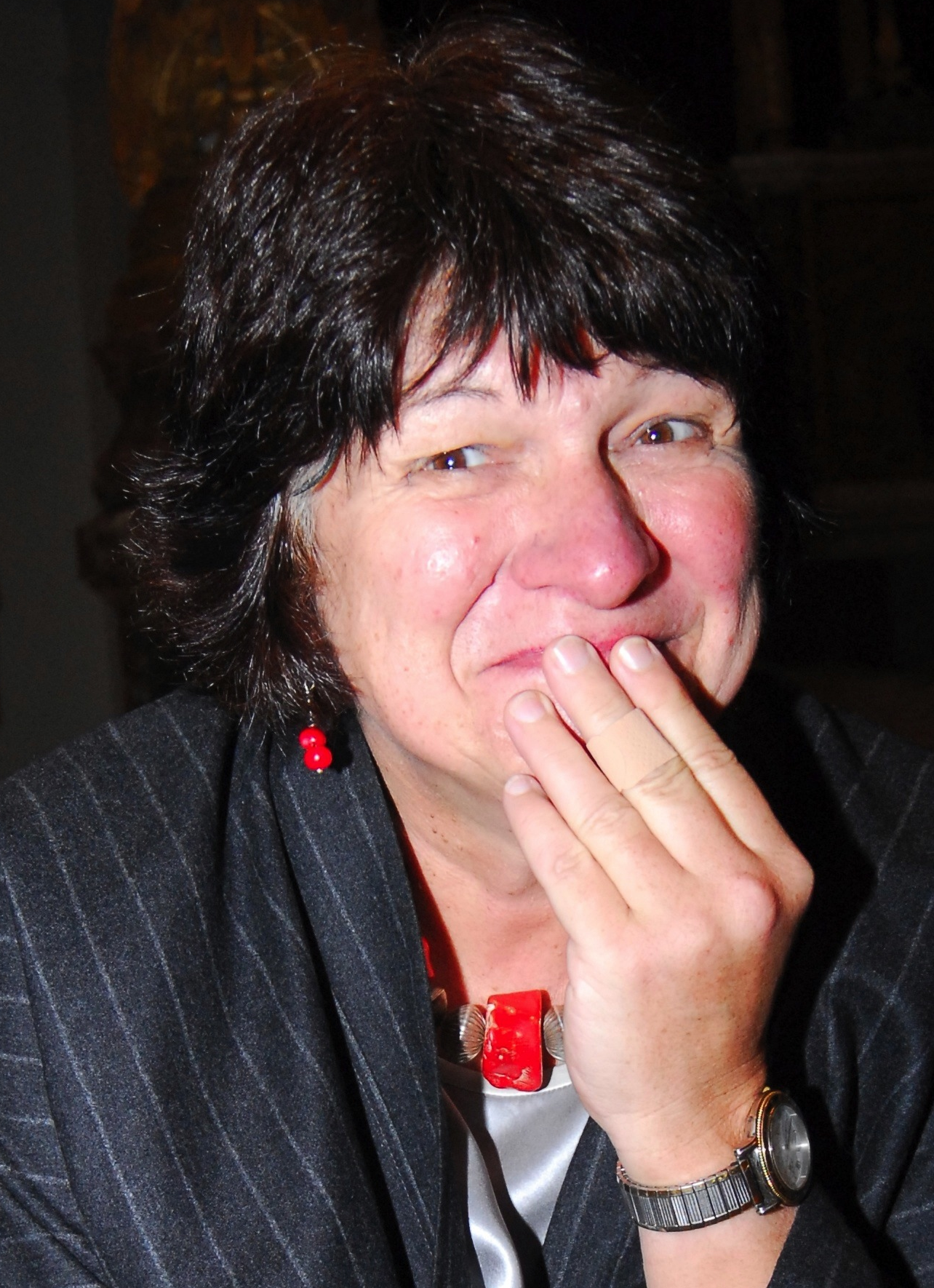
Living across the narrow street from St Barnabas Church in Jericho, formerly a working class neighborhood in central Oxford built for employees of the University Press, on Sundays we met some rather interesting people from the academic community and city. Among them was Danah Zohar, a theoretical physicist and philosopher, and her husband, Ian Marshall, who was a perceptive analytical psychiatrist and co-author in her early work. She was educated at MIT, being among one of their first women graduates, and did her postgraduate research at Harvard.
Danah was fascinated by what seemed to her to be the largely unexplored significance of Quantum Physics for understanding human consciousness and its relation to the world around us. Her work in this area has yielded a series of books, beginning with The Quantum Self, and has led her to work as a consultant for how her complex ideas can be implemented within business and in corporate management. Building on her personal interest in spiritual intelligence among the aspects of human consciousness, she was fascinated by the intersection between what lies at the core of the human religious impulse and its functioning, and a modern understanding of how twentieth century physics explains aspects of the world with which we interact.
As has recently been observed, her “interdisciplinary work blends subatomic physics, nonlinear complex systems, philosophy, and psychology to replace rigid, “machine-like” corporate models with fluid, human-centric systems.” I am not surprised by how she has since been recognized for her abilities and accomplishments, with a major British newspaper describing her as being among “the world’s fifty greatest management thinkers.” This latter characterization of her work should not be viewed in reductionistic terms.
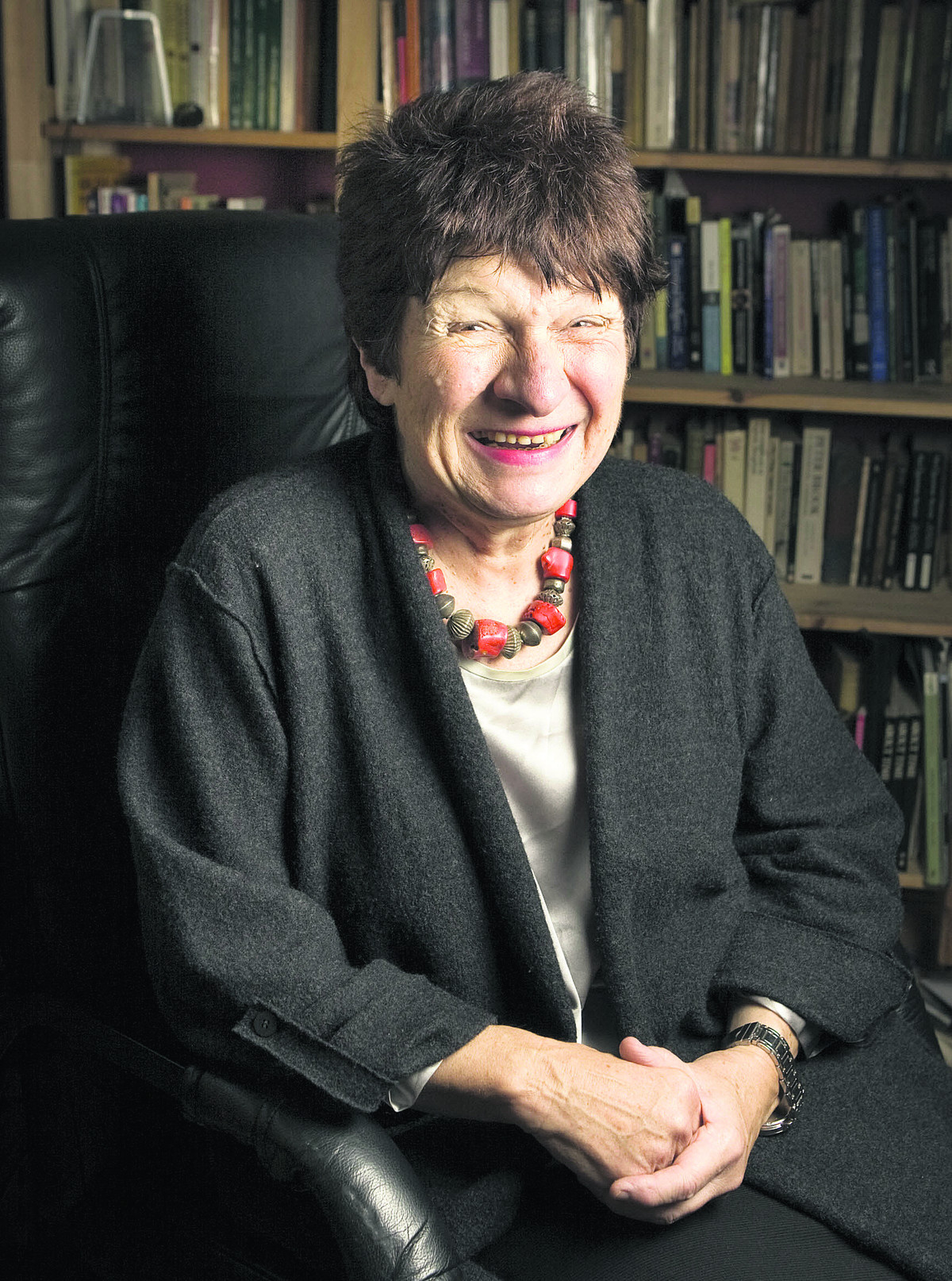
What I most enjoyed about getting to know Danah was her synthetic approach to thinking about what it means to be fully human, and to live in a way that reflects a desire for, and commitment towards, flourishing through the fulfillment of our human potential. Born into a Protestant family in northern Ohio, her subsequent choice of her name by which she has become known, and with which she publishes, is significant: it derives from medieval Jewish mysticism. We worshipped together regularly with our families at our Anglo-Catholic (or ritualistic) parish, and celebrated holidays together. With her expansively spiritual worldview, anchored in a deeply rooted and intuitive faith, she always gently prodded me to enlarge the parameters of my thinking, especially with regard to my doctoral work at Oxford in contemporary Christian sexual ethics, while she was working on her first book.
In particular, I would credit Danah’s influence upon my thinking about our given inter-relatedness with one another, and how a more fluid and dynamic understanding of the inner connection between spirit and matter, mind and body, can and should shape our understanding of our human embodiment and, hence, our approach to our sexuality.
I found that her thinking stimulated my study of Paul Ramsey’s exploration of what Christian ethics might learn from the philosophy of Jean Paul Sartre. Ramsey’s work on Sartre along with early Christian sources, helps us to transcend the influence of will-based Kantian ethics as well as the analytical or deterministic thinking of some contemporary philosophers and biologists. And though Danah would not typically have thought in biblical terms, I came to see how these ideas can illuminate our appreciation for Paul’s concerns expressed in 1 Corinthians 6, regarding the conduct of Christian’s who thought they could engage in uncomplicated and spiritually irrelevant sexual relations with the women attendants at the Greek temple in Corinth.
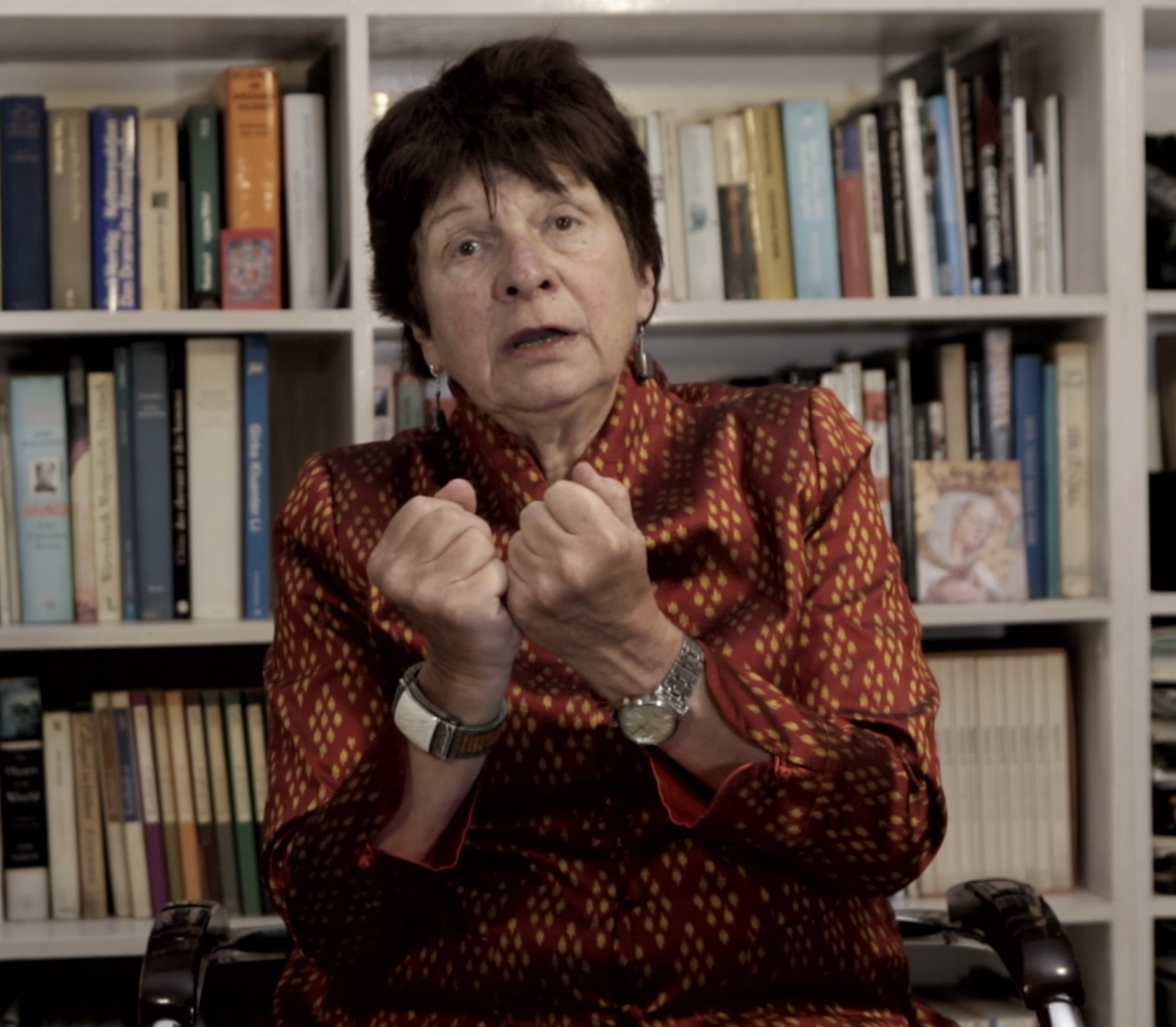
Though our academic training and focus in our writing has occurred in different contexts, and with different foci, I continue to be inspired by Danah’s ever-creative and wholistic worldview. I find a complementarity between her thinking and a maxim offered to me when I was invited to write my book on ethics: ‘Morality should be based on reality.’ As Oliver O’Donovan once said to me, “Our principal modern challenge in ethics is description.” Danah remains an exemplar of a commitment to making our description of the world and our lives within it as perceptively accurate as we can. For her, as well as for me, such a commitment to ‘description’ must always take into account our spiritual lives and the persistent gift of radiant beauty around us, and to be found within our consciousness of the world.