Objective and Subjective

The Beauty of ‘Something Further’

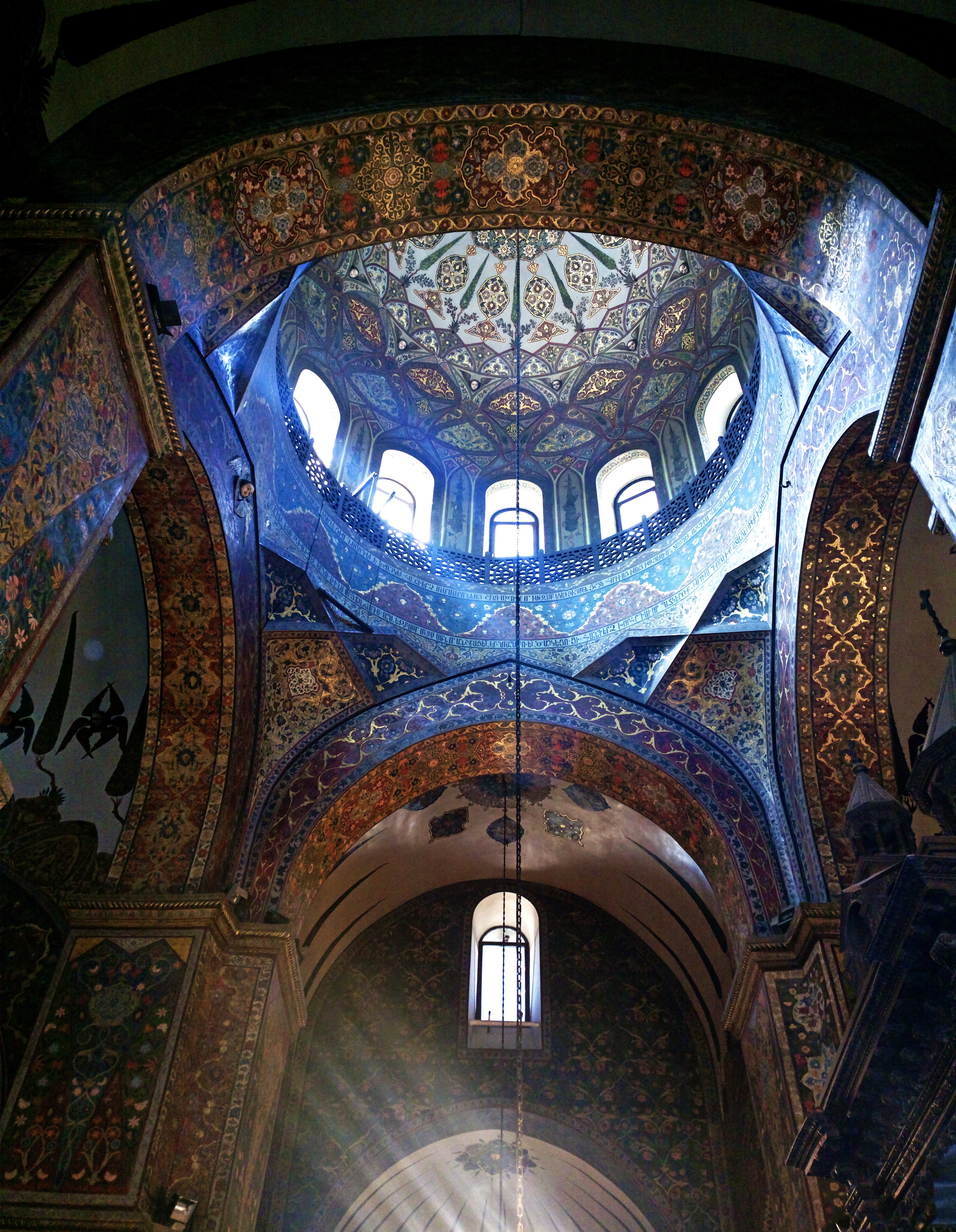
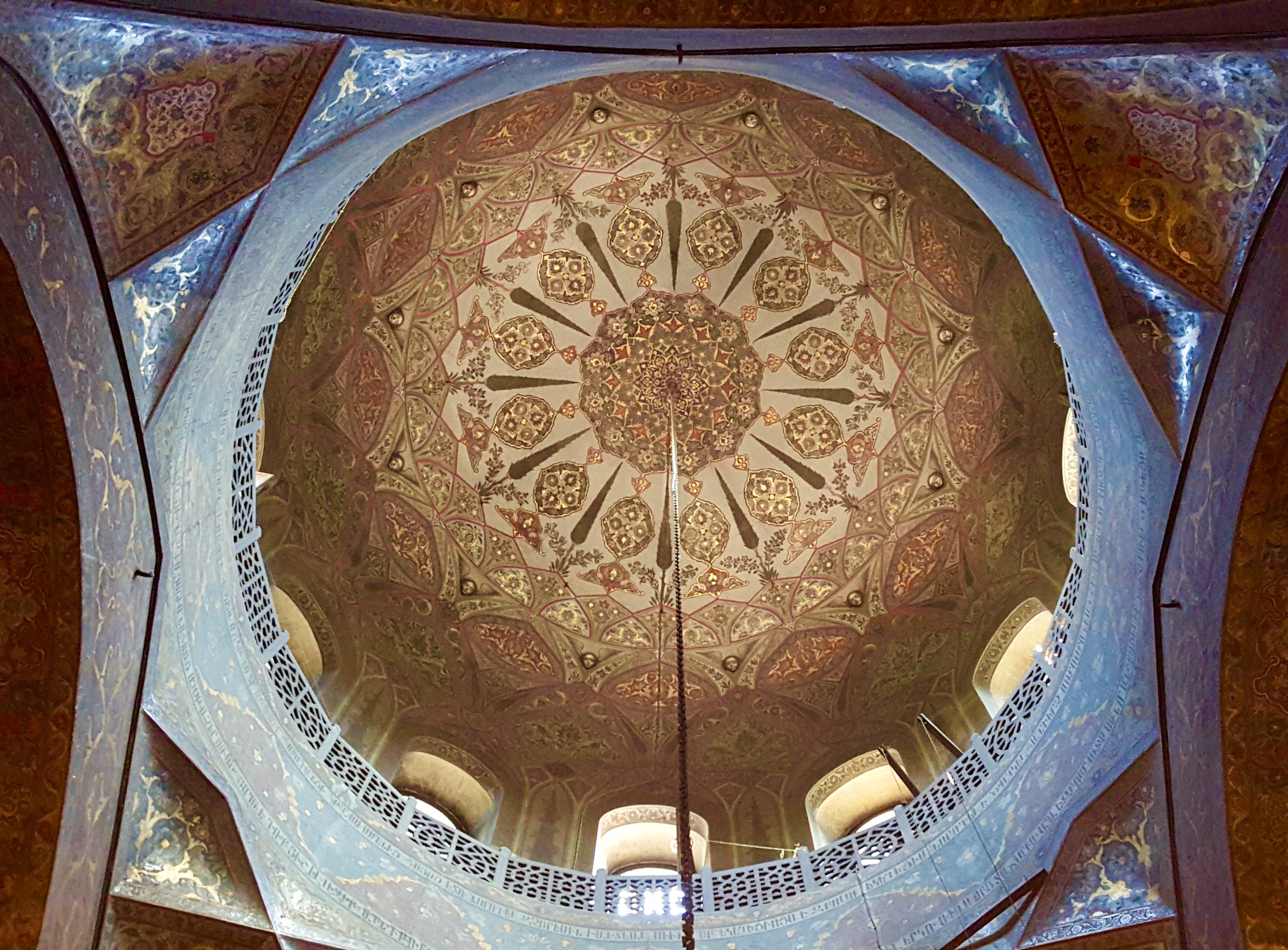
An interior dome, Etchmiadzin Cathedral, Armenia

{This past week I had the honor of offering a homily at the funeral of my longtime friend, Tom, a neurosurgeon and person of faith. What follows is a portion of my homily.}

People in our culture who have been trained in the sciences and who work in medicine can face a particular challenge. They can find it hard to grapple with the intangible aspects of the spiritual life. Walker Percy is a great example of someone who overcame this apparent divide. For Percy, like Tom, was very smart and educated in the medical arts. Like Tom, Percy came to see something very important: we rely upon science to explain too much of the world. And, if we are honest and sensitive in our inquiry, we come to see how – through science alone – we cannot understand ourselves.

Tom, with his advanced work in surgery and in neurology, knew far more about our brains than most of us will ever know. And yet, he also was quite aware of the limits to such knowledge. He was sensitive to how ‘our minds,’ though inextricably connected to our brains, always somehow transcend what we know about brain function. And therefore, despite our continuing advances in understanding neurophysiology, there remains this ineffable, something further, about what it means to human, this thing that non-specialists like the rest of us, as well as priests and pastors, call our souls.

Walker Percy might have put it in terms like this: We can learn the names and composition of the myriad of chemicals that are a part of human brain function. And therefore, as conscious subjects, we can approach our brains as objects of study. Yet, paradoxically, we, as the subjects of our studies, can never really know ourselves as the objects of our studies. There will always be something beyond, something further and equally real about ourselves, even if not fully measurable. And this ‘something further,’ believers call our souls. For even the most brilliant neurologist, even the most perceptive psychologist, can never really know him or herself, just as I – at least in this life, on this side of the veil – can never really know myself. Only God can. And only God does.

Etchmiadzin Cathedral

Physicians can map how our physical bodies eventually fail us when we get older, and cease to function ably as before. But what our physicians and scientists cannot map – at least not yet – is how our consciousness can survive this breakdown in our physiological function. Yet, somehow we continue in self-awareness, and in our awareness of others, especially that great Other One. And we will probably never be able to map, in terms we understand, how we come to have conscious contact with our Creator and Redeemer. For our conscious contact with God happens through God’s loving embrace of us. This is the embrace into which we have all been received – even if we are not conscious of it, and especially when we have not chosen to refuse it.

Tom consciously chose to recognize and accept this embrace. And he put his trust in it, even if – as an accomplished scientist – he could not explain it. For that, we honor him and his memory, as we continue to have fellowship with him in the Communion of Saints. And as we share with him in our celebration of the Eucharist. For just as our Lord Jesus continues to be present with us, and in us, so all the saints – both Tom and ourselves – and all the faithful departed stand before the throne of the Lamb. In Christ, we are joined together, so that we, too, might also be lost in wonder, thanks, and praise.

Tom knew and believed all this. And that is why we are here today. We can honor Tom for his contributions to the sciences and to the practice of medicine. Here, in this church and in this community of faith, we can join others in honoring what God has done in Tom’s life and work. And more especially, we are here today to honor what God is still doing in Tom’s continuing life. For Tom’s life and consciousness continue, even now, in and through God’s loving Grace and favor. His death is the veil that only appears to separate him from us. It disguises the way he is still really connected with us through his Baptism and ours, into Christ’s death and Resurrection.

Chora Church, Istanbul

Most enduring is this truth. And it is a truth for all of us to embrace: we have continuing fellowship with Tom, through Christ, in the power of the Holy Spirit. Thanks be to God!

Beauty: Found, Received, and Made

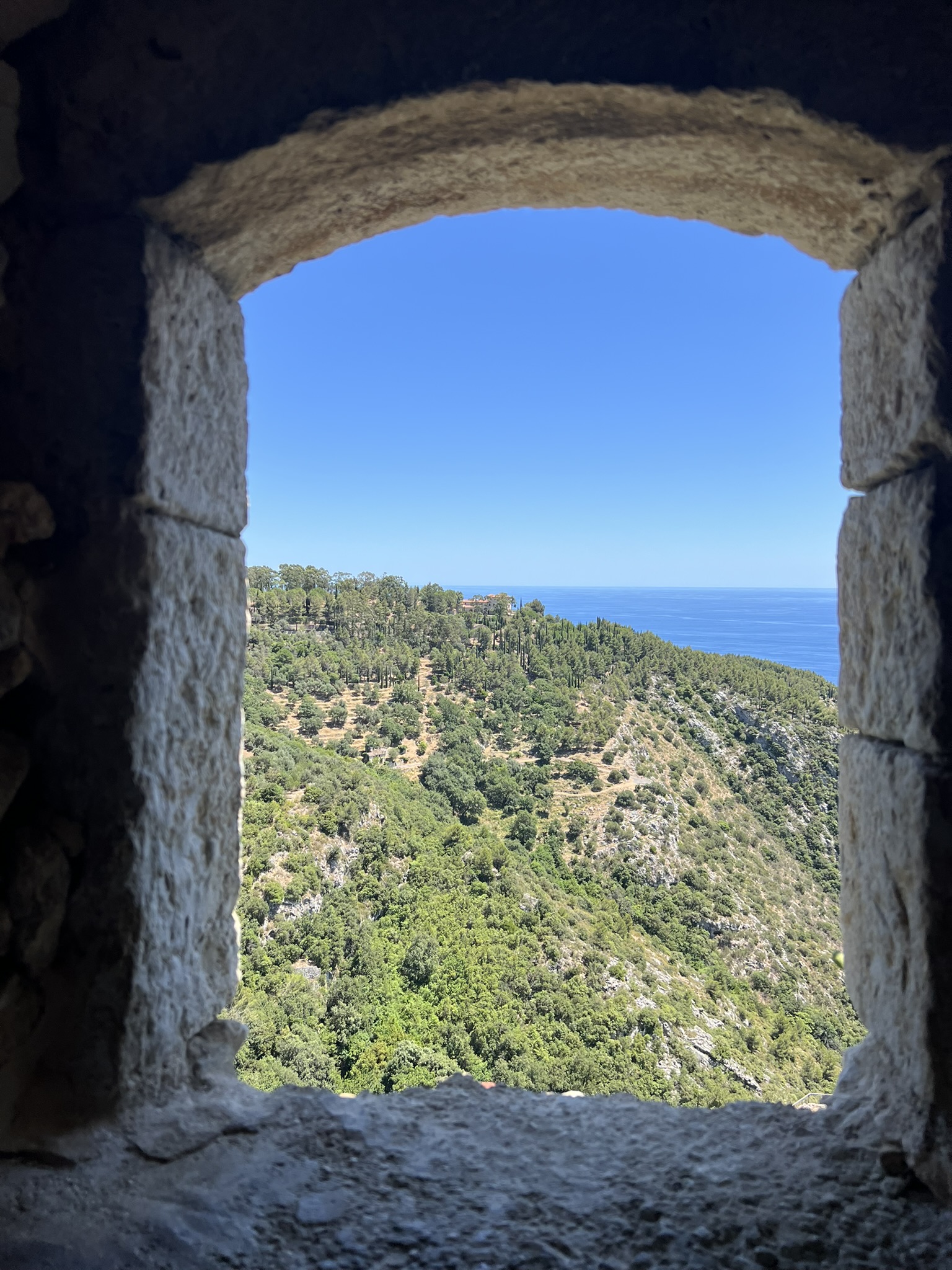
A photo from Èze, France (by my brother)

While undertaking my studies in ethics and moral theology, I discerned a significant parallel that has continued to shape my world-view. The parallel I have in mind connects how we understand law with how we understand ethics. In turn, I have come to see how this discernment applies also to how we appreciate beauty. 

First, about where law comes from. As I understand it, there are three principal theories about our source or sources for law, formally termed theories of jurisprudence. They are not mutually exclusive, and may function for us in overlapping ways. 

A common understanding regarding the source of law views the concept of law as fundamental to and discernible within the structure of reality. Law in this first sense is something we find, written into the patterns of the world, and of its many aspects. This idea gives rise to, but is not the same thing as, the so-called ‘laws of nature,’ or the principles that order the function of many things from the most basic particles within matter, and the function of waves like light and energy, the functions we discern within complex biological organisms however malleable they may seem to be over time, as well as within the structure of rationality. 

A well-known expression of this first concept of law is latent within the familiar phrasing regarding what it means to be a human being: “we hold these truths to be self-evident…” That is, certain truths or principles are there to be found, by those who exercise our capacity for reason and discernment. A simple but sometimes misleading label for this first concept of law is ‘natural law,’ which some skeptics might argue is neither!

The second most commonly recognized theory of the source of law can be articulated by observing those principles and ‘rules’ long-rooted in the history of our communities, which we receive from those who have come before us. British Common Law, which undergirds much of our tradition of law in the United States, is a prime example. ‘Received from history,’ and long relied upon by communities, are two basic ways to label and identify this concept of law. The familiar refrain, ‘we have always done it in this way,’ provides a ready example. 

The third way of understanding the source and character of law perceives law to be comprised of those principles and or rules that have been decided by individuals and communities. It is commonly called ‘positive law,’ a label that refers to the law that we posit, or put into place. The existence of law in this third category represents the assertion of will and of choice, for law in this sense arises from us as something we make, and is dependent upon our projection of what we wish or believe to be true. Many examples, from neighborhood clubhouse rules to Louisiana’s state constitution (resting upon the French Napoleonic legal tradition), are expressions of this approach. 

These three theoretical understandings of the source of law are relevant for my own field of ethics. For in ethics, there are three principal bases for our concept of the Good, and upon which our notion of the Good rests, which correspond to three principal forms of jurisprudence or theories of the source of law. 

Moonrise off the harbor breakwater in Antibes (photo also by Gregory Holmgren)

If this is correct, and I believe it is, then surely we can reason appropriately toward the same conclusion regarding Beauty as well as for Truth. For Beauty and Truth as Transcendentals play the same foundational role in our thinking as the Good, which functions as a principal reference point for ethics in human reasoning and experience.

This leads me to recognize how there are three principal ways of accounting for the source or sources of beauty. With regard to Beauty, positivists will contend that ideas regarding beauty are projections of those who hold them, whether by individuals or by communities. Historicists, in parallel with the common law tradition of jurisprudence, will say that notions of beauty are rooted in the histories of communities and the traditions, and are to this extent reliable guides for thinking about things. And – as follows from the preceding, those who accept the natural law tradition in jurisprudence are those most likely to view beauty as a given feature of reality, here and there for us to encounter, regardless of our shared traditions and personal aspirations. 

In closing, I want to restate a point I made above. Whether we are accounting for the source or sources of Beauty, Goodness, and or Truth, we may prefer one or more of three ways I have articulated based on the three principal approaches to the sources of law. Yet, all three approaches are likely to figure into and be a part of our thinking. For example, we may think that notions of beauty are rooted in nature, while valuing how our Western tradition of art has shaped our thoughts and those of our community, while still also recognizing how we may be somewhat arbitrary regarding the forms or standards of beauty that we prefer to value and pursue! Especially because the first or second of these three approaches may serve as a corrective to and perhaps as also a check against the potential liabilities associated with the third.

What Distinguishing Religion, Science, Magic, and Technology, Might Teach Us About Beauty

A book of essays by Peter Kreeft

Peter Kreeft has written an illuminating essay on the use of indirect communication by CS Lewis and Walker Percy. In it, and in a humorous recording of its content, he explores how both Lewis and Percy present the predicament of the modern person. We live as upside-down persons. And we are not among the first people in history to suspect this. (See St. Augustine, d. 430 AD)

As a way into the heart of his theme, Kreeft invites us to consider a hypothetical challenge posed to a child: take four common objects and sort them into two boxes. The four items are a baseball, a basketball, a baseball bat, and a basketball net. The two most obvious solutions to this challenge, based on the categories of being and doing, nicely set up a thought experiment that Kreeft intends for his audience to engage. He invites us to sort the following four things into two (undefined) categories: Religion, Science, Magic, and Technology. Try it. 

In taking up this simple quiz question, we discover one way that our contemporary thinking habits depart from those of our ancient forebears. Our common assumption that science and technology are sister fields, reliably distinguished by their empirical methodology from both religion and magic, reflects a misunderstanding. For what we may overlook in this supposition of an affinity between science and technology, as well as between the second pair of terms, is how our categorization of these four terms demonstates our understanding of what we consider to be real. And the key variable governing our typical way of sorting these four conceptual categories centers less on what is ‘real,’ and more on the significance of how we conceptualize our encounter with ‘reality.’

A theme that has surfaced from time time in this space, and which plays a large role in structuring my understanding of Beauty, rests upon my appreciation for the distinction between the meaning of the words ‘objective’ and ‘subjective.’ I credit my graduate research in ethics and moral theology for raising my awareness of what these terms can and do mean. With regard to Beauty, and more broadly about what is real versus what is presently actual in our awareness of things, ‘objective’ best refers to the objects of perception, and ‘subjective’ in a corollary way best refers to the subject of perception (I.e., to me, the observer, the knower).

CS Lewis in his Oxford study

Kreeft makes the case that both CS Lewis and Walker Percy shared a conceptual understanding with many philosophers and writers from the pre-modern era. In making the point, Kreeft quotes what he says are the three most illuminating sentences he has ever read about our civilization:

“There is something which unites magic and applied science [i.e., technology] while separating both from the “wisdom” of earlier ages. For the wise men of old, the cardinal problem had been how to conform the soul to reality, and the solution had been knowledge, self-discipline, and virtue. For magic and applied science alike, the problem is how to subdue reality to the wishes of men: the solution is a technique.”

And if we have not guessed where Kreeft is headed with all this, he puts the matter succinctly: “Technology is more like magic than like science.” It follows that he commends thinking of religion as being like science by also involving a search for what is real and true, even if differing in its methodology and content.  

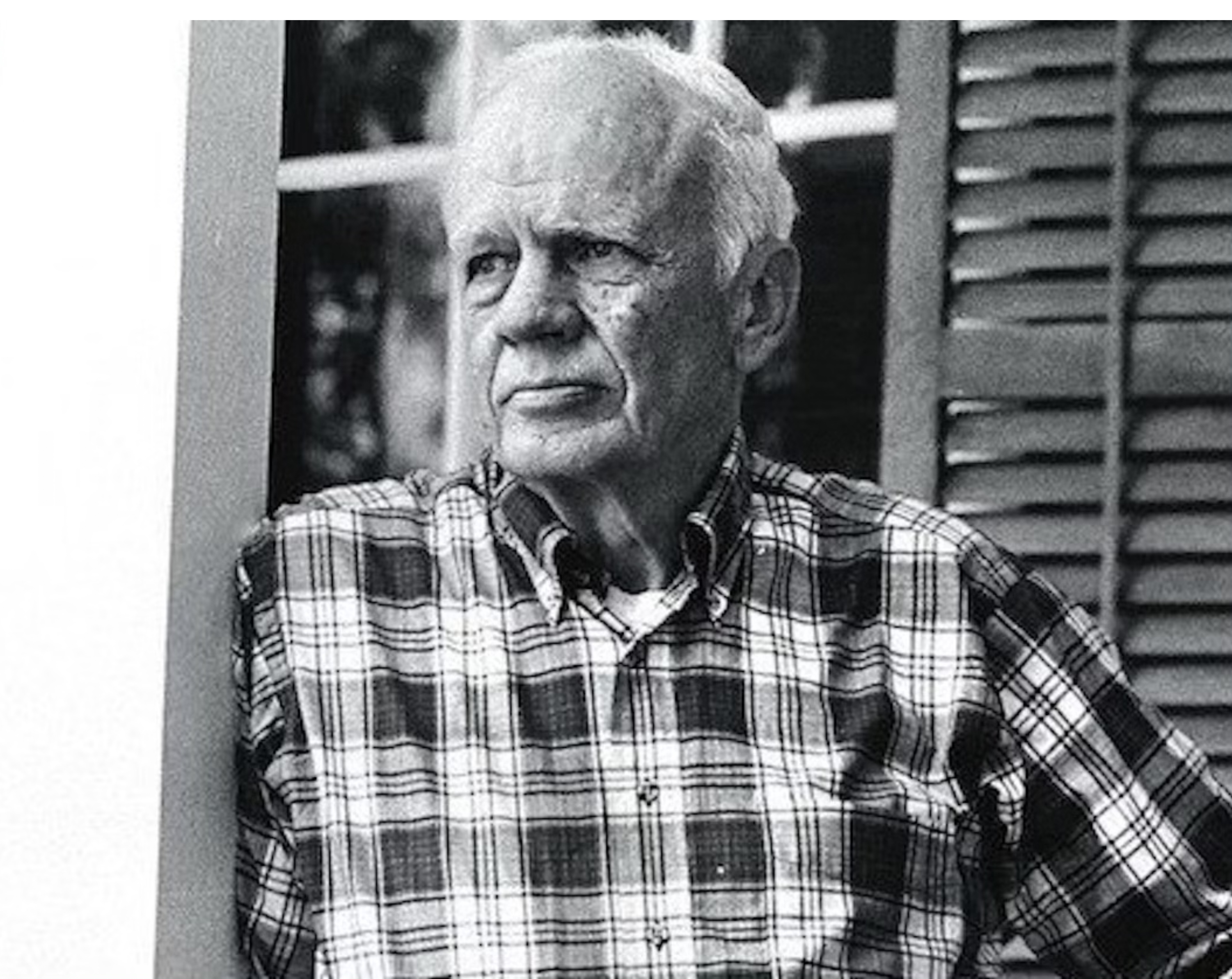
Walker Percy at home in Covington, LA

A challenge related to Kreeft’s theme, regarding how we approach beauty, faces us as modern people. It stems from how – through the influence of our culture – we are inclined to think of art and architecture as being more akin to magic and technology, than to science and religion. For we tend to assume that artists and architects manipulate materials and space to stimulate certain responses from those who interact with their work. And, of course, they do. But is this all that these crafters of beautiful things accomplish? Are they not also among those who seek and make available to others instantiations of what is real, and more particularly of the beauty that is there for us also to perceive and come to know? I believe that they are. 

Artists and architects approach the world in a way that has an affinity with those who work in religion and science, while what they do may seem to be like the work of those who ‘practice’ technology or magic. For like all genuine seekers of Truth, Goodness, and Beauty, scientists (especially theoretical physicists) as well as religionists include dedicated persons who want to know these real aspects of the world that may be apprehended by those who look for them.

I continue to learn by reflecting on these themes.

Note: Kreeft develops at greater length than I have scope here to address the significance of these and related distinctions. He does this in his essay, “Walker Percy’s Lost in the Cosmos: The Abolition of Man in Late Night Comedy Format.” I commend an entertaining recording of Kreeft’s presentation of the essay’s content, which can be found on his website (by clicking this link).

Our Doorway Into God’s Trinitarian Being

William Holman Hunt, The Shadow of Death (1870-73)

When we as Christians pray, we don’t simply pray to God. With faithful assurance, we pray with and through God! As Paul tells us, “When we cry, ‘Abba! Father!’ it is that very Spirit bearing witness with our spirit…” This is because, when we pray “to the Father,” we also pray with and through the Son. We are enabled to pray with and through the Son following our Baptism. For after Baptism, we are assured that we pray in the Holy Spirit. We therefore pray to God not ‘from the outside,’ but ‘from the inside’ of God’s own being and nature!

Well, how can this be? As we can easily discover, every Eucharistic Prayer in The Book of Common Prayer has a common shape. For all of our Eucharistic Prayers are prayed to the Father, through the Son, in the Holy Spirit. This is not an accident. Jesus modeled this in his own life, and particularly at the Last Supper.

When we repeat Jesus’ pattern, offered at that supper, we stand with him around the same table. And by his graceful invitation, we join his prayer to the One he called, ‘Our Father.’ Our prayer with him, to the Father, is in the power of the Spirit, the same Spirit he spoke about at that table. He modeled at that supper what grace means in practice.

Through the grace of the Holy Spirit, Jesus shares with us his own particular intimacy with the Father. Inviting us to stand with him as he prays, he offers the whole world back to the Father-Creator. By this, Jesus – and us with him – fulfills the divinely intended-but-failed stewardship vocation of the mythical Adam and Eve. And so, this is also our vocation, to offer up to our Father all that truly belongs to the Creator. Sharing with Jesus the grace of the Holy Spirit allows us to join him, the Son, in his ongoing Eucharistic vocation.

A good way we can live into the saving implications of God’s Trinitarian nature, is to engage in some creative imagining. Imagine that, in this moment, Jesus reaches out his hands to us. In reaching out his hands, he does not simply extend his greeting. Extending his embrace, he invites us to join him by standing with him, closely at his side. By his invitation, and our acceptance of it, he shares with us his own intimate and particular relationship with our Father.

And with this invitation, he gives us the power of the Spirit, making it a reality in our lives. Because the invitation comes from him, the power of the Spirit he shares with us is God’s grace-filled power. Jesus makes all this actual and true, whether we feel it or not.

This Trinitarian shape of prayer is different from how we usually imagine prayer. Commonly, we think of prayer as our communication to God. When we feel aware of God and close to God, we speak to God of what is good and well and of that for which we feel thankful. And we often ask for help. But, when there seems to be a veil between us and God, we speak to God with lament or we complain, sometimes in anger. This concept and experience of prayer is ‘subjective,’ and therefore narrow. That is, it is a concept of prayer based primarily upon our personal, interior, experience. It reflects our experience of being the subjects of perception and action. Yet, as the Prayer Book Catechism teaches us, prayer is first of all responding to God.

As we learn from Jesus, and by the Holy Spirit, true prayer is not something we do, which we somehow manage to achieve through our faithfulness, devotion, or energy. True prayer is something we allow God to do within us. True prayer is the kind of praying that we find God already making real within us through the indwelling Grace of the Holy Spirit. The Father and the Son and the Holy Spirit are constantly engaged with one another, in what the Eastern Christian tradition calls ‘a dance,’ a perichoresis. Prayer involves being drawn into this dance. Prayer is sharing in the Trinitarian relational being of God. Prayer is participation in the community of fellowship that exists within God’s own being.

The Trinitarian pattern of our lives rests upon the Trinitarian shape of our prayers. We can accept Jesus’ invitation to stand with him. We then experience his own fellowship with the Father, in the grace-filled power of the Holy Spirit. This enables us to live truly. To live truly, is to live to the Father. It is to live with and through the Son. And true prayer is to live in the power of the Holy Spirit.

And so, we seek to live in the way that we pray: to the Father, with and through the Son, in the Holy Spirit.

Note: This post is based on the Western Church’s observance of Trinity Sunday, on June 15, 2025. My title is based on a well-known metaphor found in John’s Gospel. The text here is based on my homily for that occasion, which may be accessed by clicking here.

My goal is to commend the assurance of hope that lies within the Gospel. And while being aware of concerns about the so-called ’scandal of particularity’ associated with Christianity and Judaism, we should be aware that God is free to offer a similarly positive spiritual experience to those of other religious traditions, or of no particular tradition with which they may identify. I hope to address Hunt’s evocative painting, featured above, in a subsequent post.

A Tao of Seeing: Reflections Inspired by Feng Shui

Michael Pollan’s writer’s hut, intentionally situated by a boulder on the brow of a hill

Recently, I observed my middle son moving a black plastic pond module around in a small space in his New Orleans courtyard. As he moved the container that would soon have fish in it, he tried situating the vessel in various ways, in relation to a tree, a fence, some potted plants, and an existing low stone wall. He is not a student or practitioner of feng shui, but I believe I was seeing some of those principles at work in his decision-making.

Western readers may have heard of feng shui, the Asian philosophical approach to discerning the unseen forces that affect objects and their balance in nature. It gives attention to the metaphysical or non-material energies thought to be at work upon or within the world around us. We might say that this approach provides a Tao of seeing, or a natural way of perceiving within and around surface phenomena to the underlying dynamisms that are believed to affect what happens in nature.

This notion that there are unseen forces at work in the world is an idea that is receiving something of a revival in Western Christian spirituality. This is noticeable when people refer to a concept attributable to the Celtic tradition, in which it has become common to refer to “thin places. “ These are places where the veil between the material and the ethereal or the heavenly seems temporarily dissolved. Another parallel here between East and West may lie in the quest within Christian spirituality for the goal of harmony and balance between people and the created world.

However, my reflections here constitute an aesthetic rather than a philosophical or historical inquiry. I am interested in the dynamics of movement we perceive in the circumstances that we encounter, and less in the metaphysical forces or energies that may be present within them. At the outset, however, I want acknowledge how a nuanced Asian approach can be an authentic route toward a culturally-informed appreciation of the phenomena we encounter, especially from a historically Asian perspective.

As we look at paintings in the context of Western culture, one factor we discern assesses composition and attends to the way our seeing is drawn from one part of a larger image to another. This dynamic is often an artist-intended aspect of an overall composition. Sight lines in garden design and arrangement provide another example, as does the architectural arrangement of space in buildings.

Attention given by Western designers to feng shui is sometimes criticized as being a superficial application of historically and philosophically nuanced ideas. But I want to give credit to ways in which our sensitivity toward perceiving movement and direction is a genuine factor that is available for analysis and articulation. We notice this when we encounter both two dimensional compositions as well as three dimensional spaces and the objects we find in them. We can always come to know more about what we see.  Because what we see is something that is there, not simply what we believe, or are disposed or inclined to see.

An Asian garden said to be designed according to feng shui principles

Motion, balance between forces, spatial arrangement of objects, and the dynamic relationships that are visible because they exist between and among these variables, continue to grab my interest. Contrasts between colors and textures, as well as between sizes and shapes, play a significant role.  Additionally, the perceived difference between what is natural and things that are humanly fashioned is equally significant, as is our perception of the criteria for what constitutes that which we consider to be natural. These are among the factors that help account for our sensitivity towards and interest in these many observable variables, and our common quest for purpose and meaning in the contexts where we find ourselves.

Motions and balance as we find these factors in Wassily Kandinsky’s painting, Several Circles

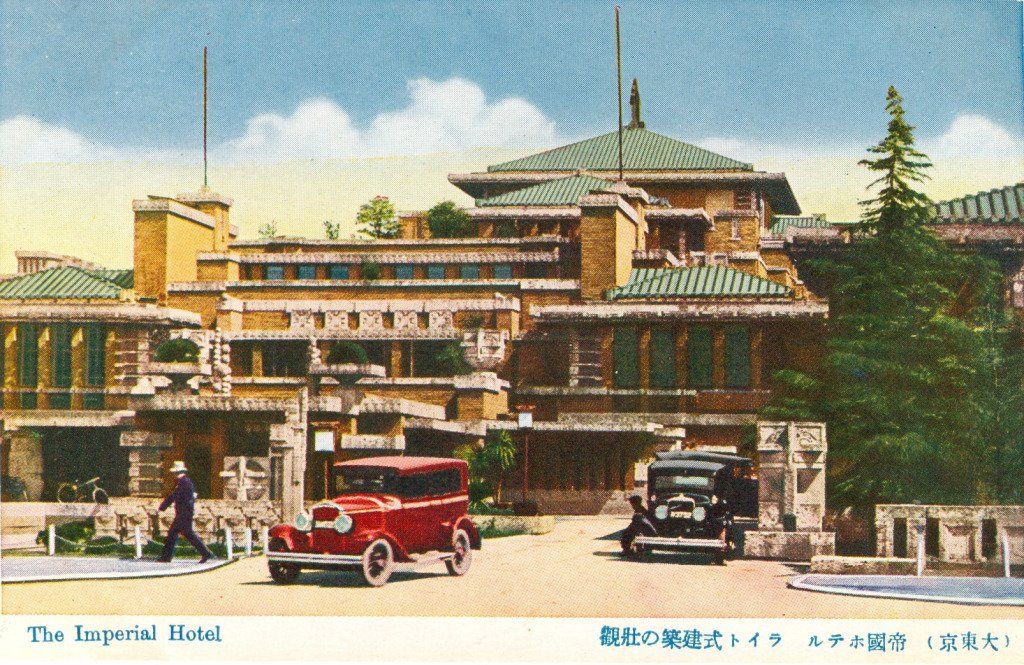
Painters, sculptors, and architects, seriously consider these factors within visual and spatial compositions. The painter, Wassily Kandinsky, and the architect, Frank Lloyd Wright, provide two examples of those who also perceived a spiritual dimension within their creative work.

If so, we –  as caring lay observers of the world and of the things and places among which we find ourselves – should give deference to this evident fact. For we can all be thoughtful, as people often are inclined to be, about what we see, touch, and experience when we interact with visual phenomena.

I find myself increasingly sensitive to these aspects of our appreciation for Beauty, and endeavor to be more mindful about them. I am intrigued by possible parallels that may exist between Eastern metaphysical interpretations of visual phenomena and more familiar approaches to what we see that are shaped by Western aesthetics. Especially as these familiar approaches are described and developed within our artistic and architectural best practices.

The Beauty of Objectivity

If reading this by email, please tap the title at the top to open your browser for the best experience. Then, clicking individual pictures will reveal higher resolution images.

William Blake, The Ancient of Days (one of numerous hand-colored prints)


I like to use a couple of throw-away lines: First, the world was here before we were here to notice it (or try to describe and evaluate its various facets). And, second, God was here before we were ever able to think the thought, much less give value to or try to describe this fundamental insight. And so, the world had God-given beauty and value before we were here to notice such things. To put this matter in the formal terms I propose that we recover, we were objects of God’s subjectivity before God ever became an object of ours. These insights ought to be primary in our outlook upon the world, and upon our lives within it.

The stark alternative to what these throw-away lines represent is the view that the world, its meaning and any purposes within it, and or God, came to have significance if not also actuality, when we chose to notice or imagine such things.

I have written before urging recognition of how beauty exists apart from the ‘eyes of the beholder.’ This is to say that the reality of beauty transcends the perception and apprehension processes of the one who beholds it. Another way to say this is to contend that beauty has objective reality. But what do we mean when we say something is objective?

Here, I would like to commend an insight regarding this word, ‘objective,’ and its pair, ‘subjective,’ terms we may use too casually. For we tend to employ these words most often to characterize two different aspects of how we perceive matters that come before us. One we regard as being oriented toward what is factual; we use the second to refer to that which is subject to the variability of emotions and sentiments that are particular to ourselves.

We need to recover a prior sense of what these two words, objective and subjective, can mean. We can return to using the word objective, not first to refer to the fact-oriented aspect of our consciousness of the world, but as referring primarily to the world itself and to the things within it. In this recovered use of these terms, the objective can best designate the objects of perception. And the second term, the subjective, can best represent the subject of our perceptions (us).

We can, of course, have ‘subjective’ notions about the objects of our perception, while we can also seek to be more accurate in our sense of those things that we perceive. Accurate description and evaluation of the objects of our perception are aided by comparative reference to the perceptions of those same things by others, and thus are aided by an effort to step beyond notions that are particular to ourselves and to our private experience of them.

In this respect, the practice of good science shares a basic property with the practice of good religion. Both seek to describe what is true, and what is in accord with reality.

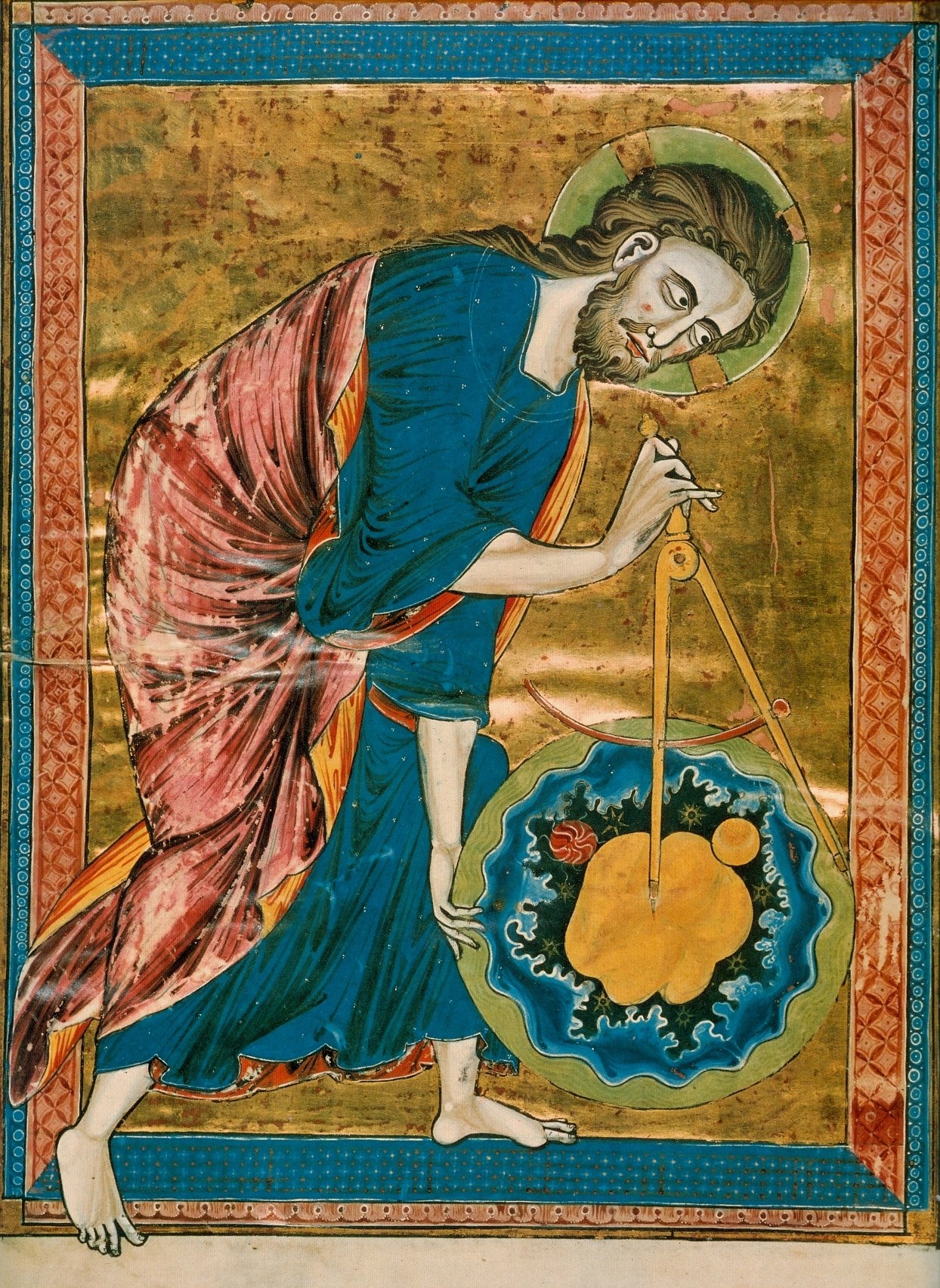
God the Geometer (from a medieval manuscript)

In perhaps an overly simplistic summary, the choice between these two outlooks upon ‘what is,’ emerged with what we now call the Enlightenment, and the development of what we now call ‘natural science.’ And yet, the emergence of modern science, and the world view which it has come to nurture, lies in pre-modern theism, in the ancient and primal belief that before all things, was and is God. And that God was and is the author of what the medievals called the Book of Nature, who was also the author of the Book of Scripture. Two books with overlapping significance, by one Author, about all that was, and is, and ever shall be.

Among the works of this author, and behind or within them, are ideas, ideas latent in the mind of the Author. And preeminent among these ideas are Beauty, Goodness, and Truth. These ideas represent the highest things we cannot not know, especially if we seek to have our minds shaped by the mind of the Author of all things. Beauty, Goodness, and Truth, are therefore – as we like to say and think – objective. That is, they are among the highest, most valuable and excellent, objects of our perception. And whether we grasp their significance, and how we grasp their significance, as fellow-subjects of their perception, can of course be – as we like to say and think – subjective.

William Blake, Newton as A Divine Geometer

Nevertheless, the objects of our perception ought to govern and discipline our shared and comparative perception – as fellow-subjects – of Beauty, Goodness, and Truth. This is the beauty of human objectivity and of subjectivity.