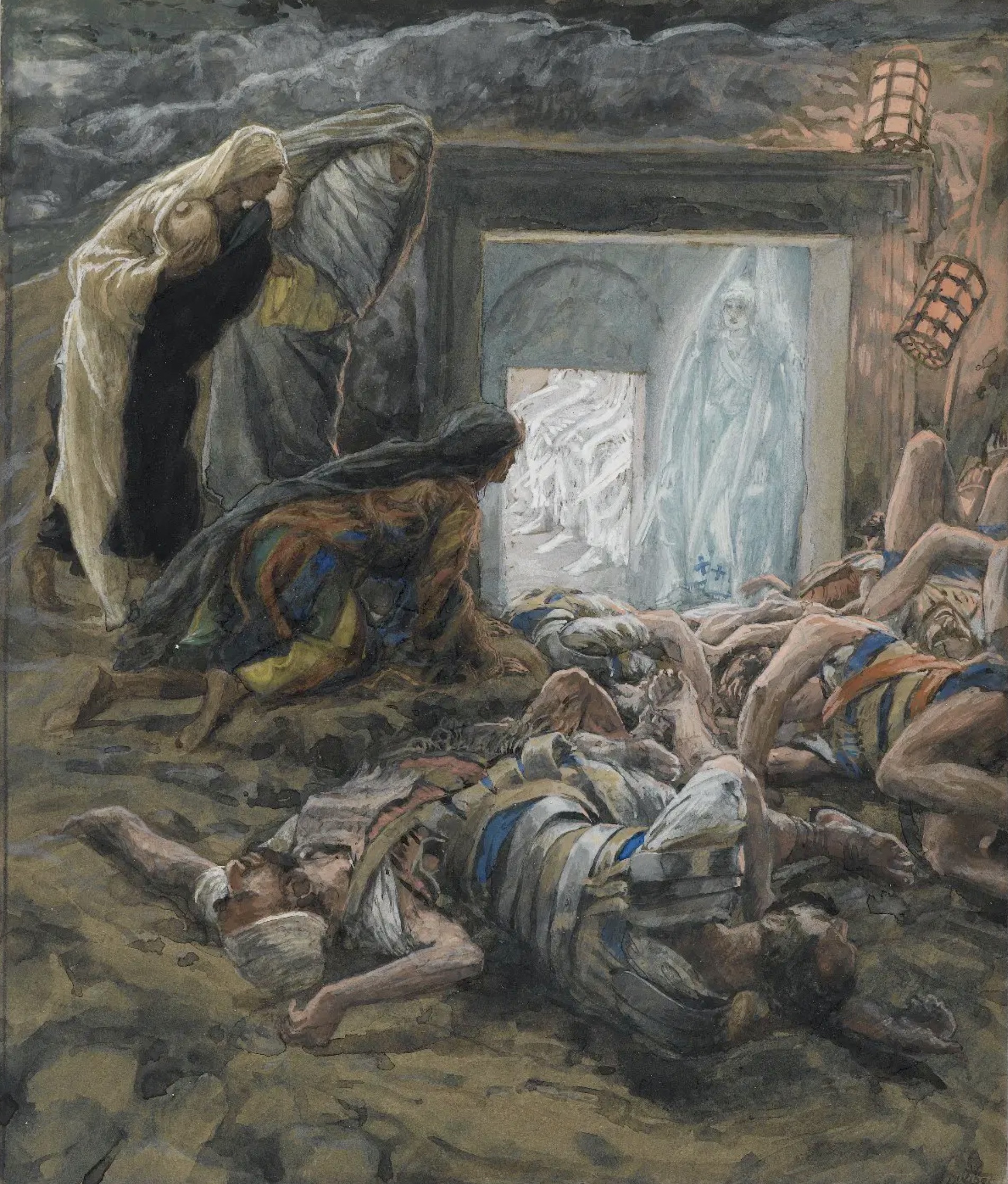
What an indescribable series of moments those were with the discovery of the empty tomb, first by the women, and then by some of the disciples. What made those moments so unexpected was the sense of emptiness that pervaded the scene after Jesus’ death on Golgotha. A few had stayed until the last. Most left, surely overwhelmed by a feeling of loss and of dark absence. He was gone. And then, so were they. Furtively moving off toward a place of hiding.
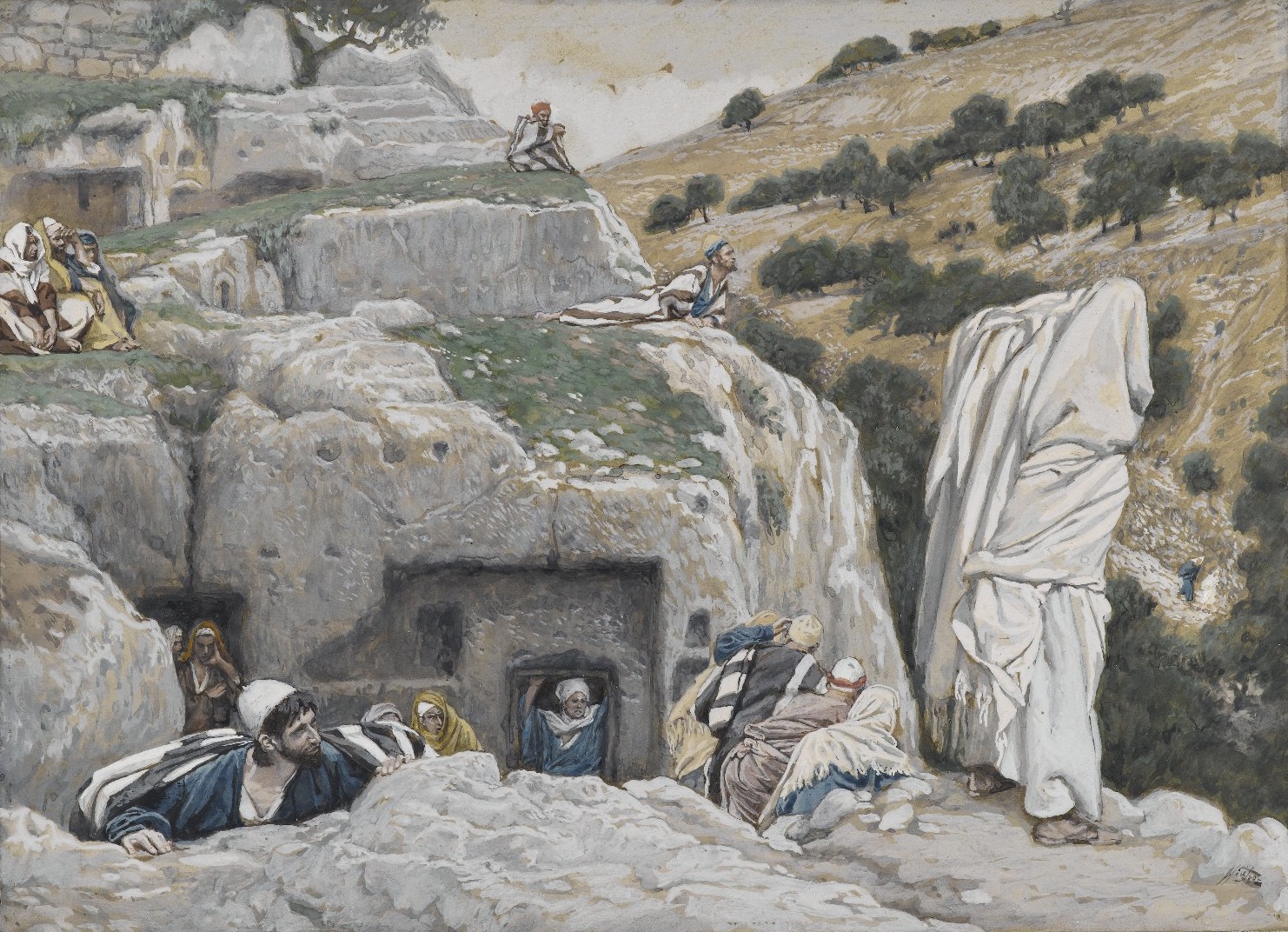
Then… from nothing came something. On the morning after the sabbath, surprised joy broke through fear and sadness as He who seemed no longer to be appeared amidst them. Among many promises, God had once said, “Behold, I make all things new.” This promise was now fulfilled, but not in a way that his people were expectating. Listless because of doubt, immobile due to their fears, their place of retreat strangely mirrored their Lord’s entombment.
Then, amidst the stillness of a death-prompted isolation, the followers of the Holy One experienced startling wonder, unanticipated joy, and a new sense of community. Excitement overcame their troubled conviction that all was lost. How had this come about? By reflecting on this question, we join writers of the New Testament and others by imagining how the Resurrection of Jesus not only happened to him, but how it also then happened to the disciples.
Robert Seymour Bridges was a nineteenth century physician and an esteemed poet, such that later in life he was named Poet Laureate of the United Kingdom. Though not well-known now, he deserves our attention for how he adapted and rendered in lyrical English verse a hymn text by the seventeenth century German theologian and hymn writer, Joachim Neander. Bridges’ version of that text is known by its first line, “All My Hope on God is Founded.”
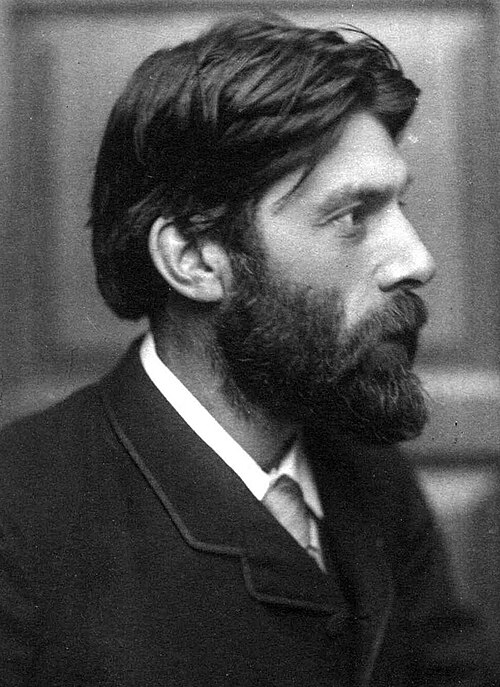
Bridges’ poetic text is familiar to people in our own day because of the way it has been set to a twentieth century tune, MICHAEL, by Herbert Howells. Many heard this hymn when it was sung as a fitting part of an internationally televised occasion, the Committal Service for Queen Elizabeth II, in September of 2022.
“All My Hope on God is Founded” therefore represents a remarkable synthesis of a seventeenth century devotional text, Victorian poetical sensibility, and expressive twentieth century hymnology. Each of these features can be appealing, and in my perception, how they work together in this example makes for a very moving hymn that enhances contemporary eucharistic worship.
Hope, based on God’s grace and providence, provides the thematic structure for the five verses of the text as it appears in The Hymnal 1982 (of The Episcopal Church). The third verse evokes the blessings that we have received through God’s work in Creation. The text here is nuanced, evoking the role of divine wisdom, while at the same time making allusion to things we have learned through the science of astronomy. Here is verse 3 in full:
“God’s great goodness e’er endureth,
deep his wisdom, passing thought:
splendor, light, and life attend him,
beauty springeth out of nought.”
Clearly, the hymn’s words here speak of what theologians refer to as creation ex nihilo, how God created all that is from nothing rather than from something preexisting. We remember the way that God’s handiwork is portrayed in Genesis 1, especially God’s recognition that what has been created is good. Andrew Cuneo observes how, in Genesis’s opening chapter, this repeated refrain that it was good, “contains a Hebrew word which may be translated either as good or as beautiful. The feel of the whole chapter changes if one hears God proclaim that the light, the sun, the greenery, the animals are all beautiful, and mankind very beautiful.”
This helps us appreciate how Robert Bridges’ rendering of Neander’s text transposes the object of God’s appreciative regard from the attribute of goodness to that of Beauty. The beautiful splendor, light, and life that attend God then, by implication, become attributes that accrue to humankind, we who are created in God’s image and likeness.
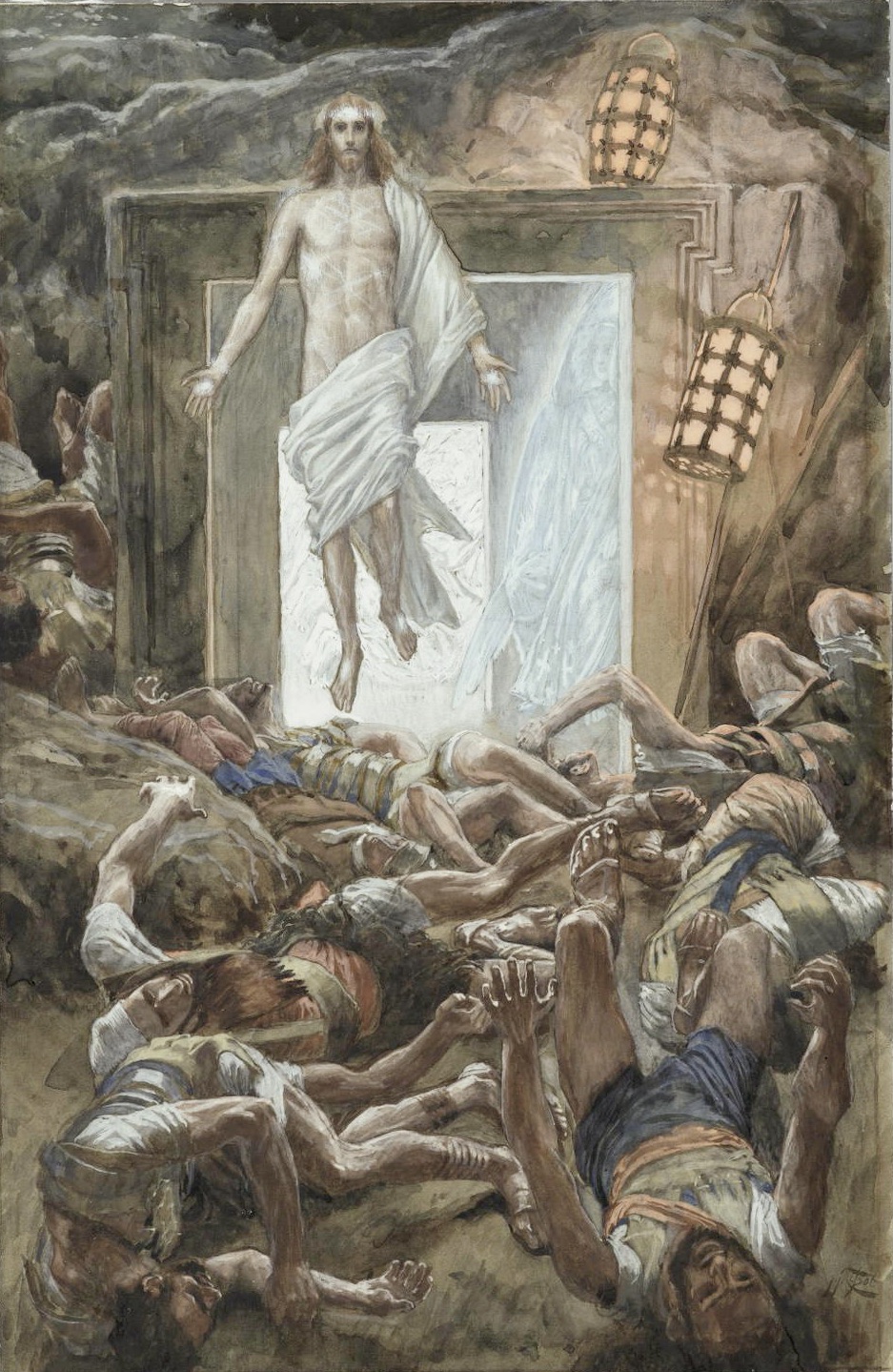
A significant feature of New Testament theology appears in the theme of “a new creation,” signified by and inaugurated through Jesus’ Resurrection from the dead. As Paul puts it, “if anyone is in Christ, there is a new creation. The old has passed away; behold, the new has come” (2 Corinthians 5:17). Paul is here referring to death and resurrection, and the transformation we undergo through Baptism, when “what is mortal is swallowed up by life.” We can therefore say that the pattern of God’s work of Redemption mirrors that of Creation. For just as God created goodness and beauty out of nothing, God brought beautiful redemption to the world out of the emptiness of Jesus’ tomb. And as we feel joy when encountering beauty in Creation, so we find joy in God’s work of Redemption.
The disciples discovered new life within themselves through their encounter with and transformation by the Risen Jesus. This led them to a renewed sense of confidence that the Lord’s mission continued, and would now continue in and through them. They would have found fitting, and would have been able to sing, Robert Bridges’ words from the first verse of his hymn:
“All my hope on God is founded;
he doth still my trust renew,
me through change and chance he guideth,
only good and only true.”
And toward beauty.
Note: The full text of Robert Seymoure Bridges’ hymn text for “All My Hope in God is Founded” may be found here.
In a prior post I offered a reflection on the Committal Service for Queen Elizabeth II and noted its inclusion of the hymn, All My Hope on God is Founded. That post may be found here.


Re: “Clearly, the hymn’s words here speak of what theologians refer to as creation ex nihilo, how God created all that is from nothing rather than from something preexisting.” The late James Houston of Regent College (Vancouver) noted in his book, I BELIEVE IN THE CREATOR (1995), Appendix D, that ‘creation by the Word’ is a more accurate phrase to describe things that creatio ex nihilo.
Yes, I am familiar with that idea, though not with this particular author. Thanks for offering this insight.
To my mind, Stephen, you’ve hit another grand slam home run with this reflection. Thank you so much! I so much look forward to your weekly posts.
Thank you, Bruce, for your kind comment. I have been continuing to think about some of the themes I touch upon in this piece, and feel like some of the threads are coming together!