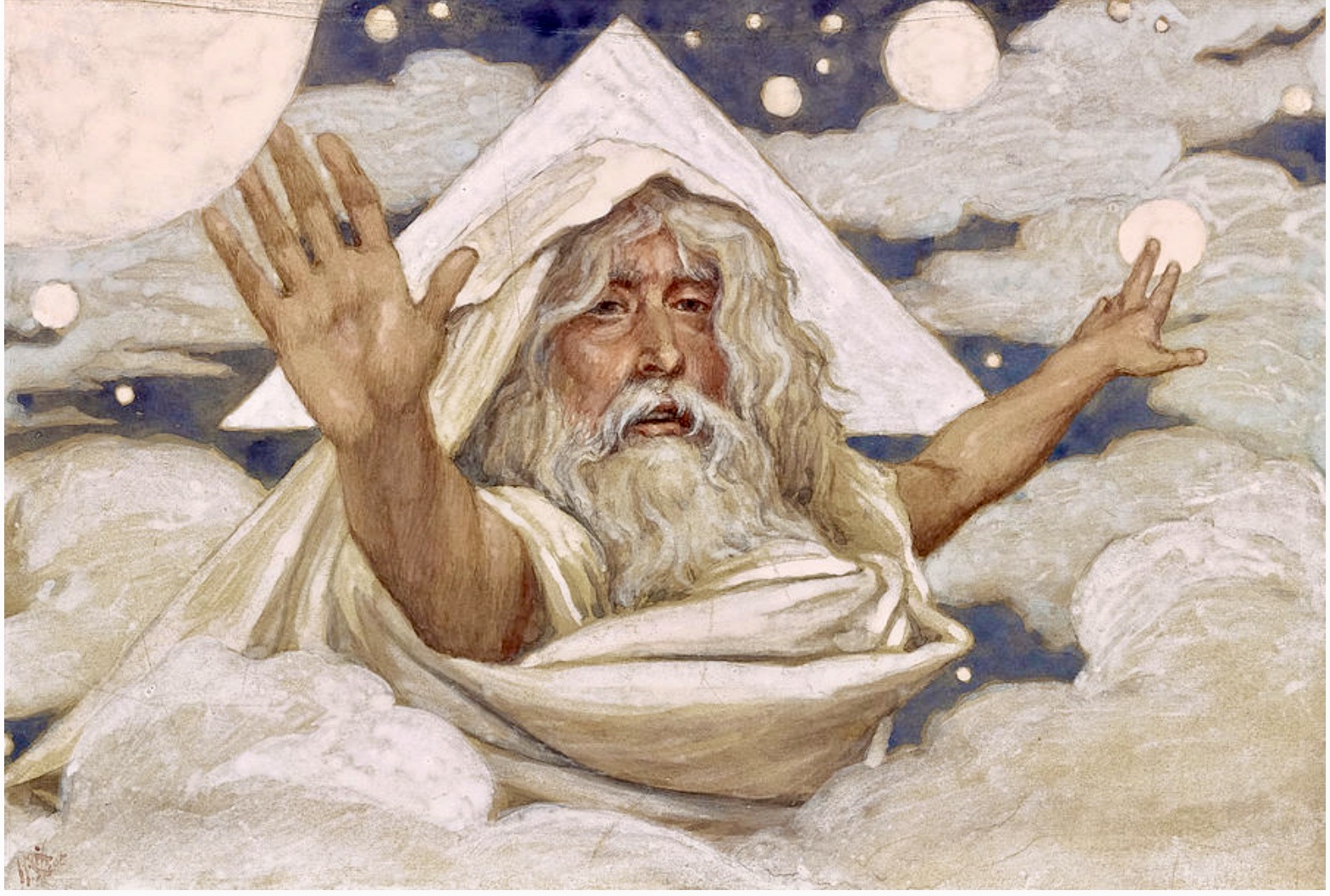
James Tissot’s painting depicting God’s creative work is likely to strike us as childishly simplistic in its portrayal of divinity. For it quite obviously displays what we consider to be the flaw of anthropomorphism, as if the artist was naive in his approach to faith. But what if our hesitation about anthropomorphism, aside from reflecting a proper theological concern, could also become an obstacle for us? What if the mysterious implausibility of God entering into and sharing the limitations of human being keeps us from appreciating how fallen human beings can – by the same graceful Providence – share in the beautiful fullness of God?
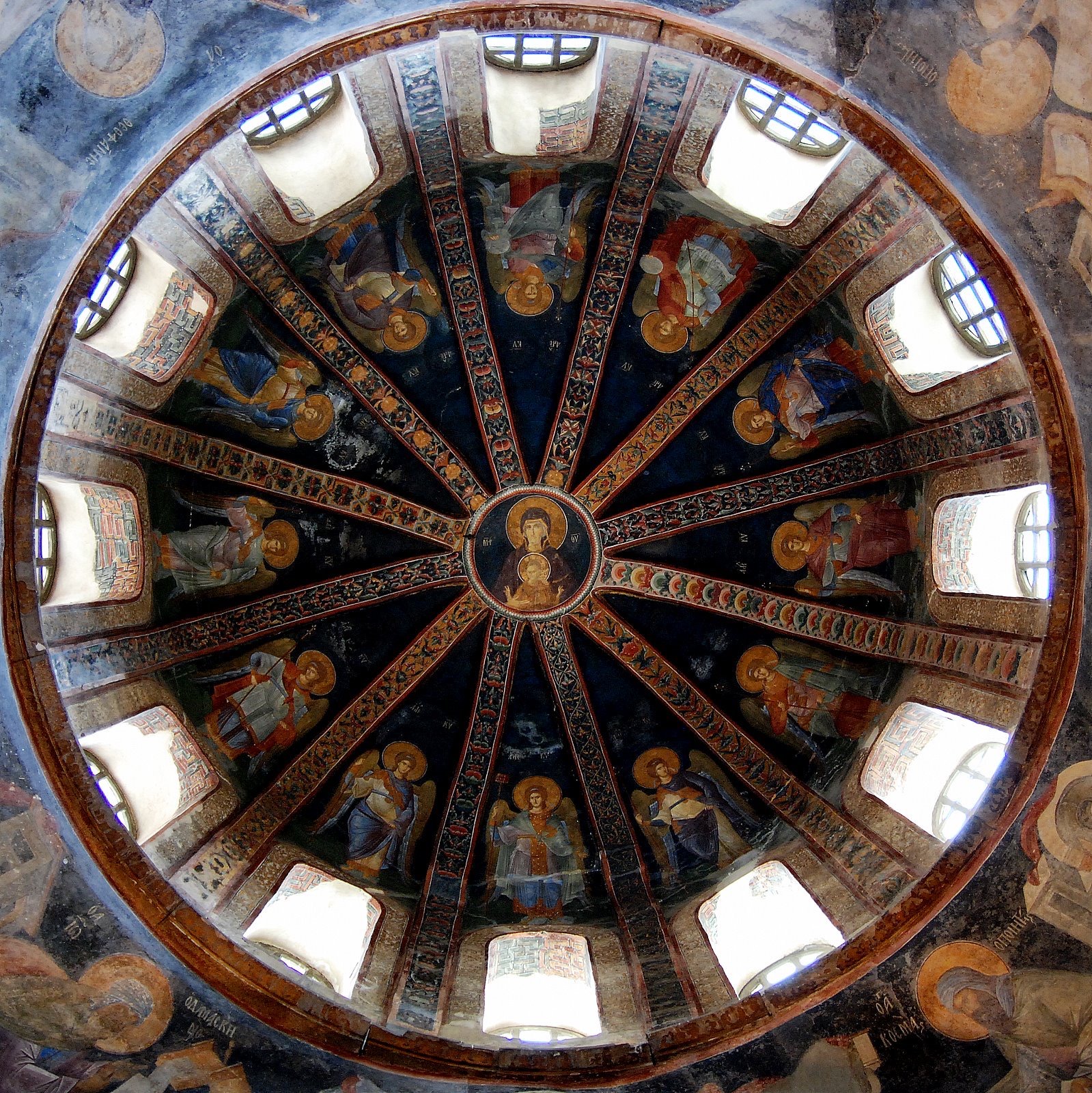
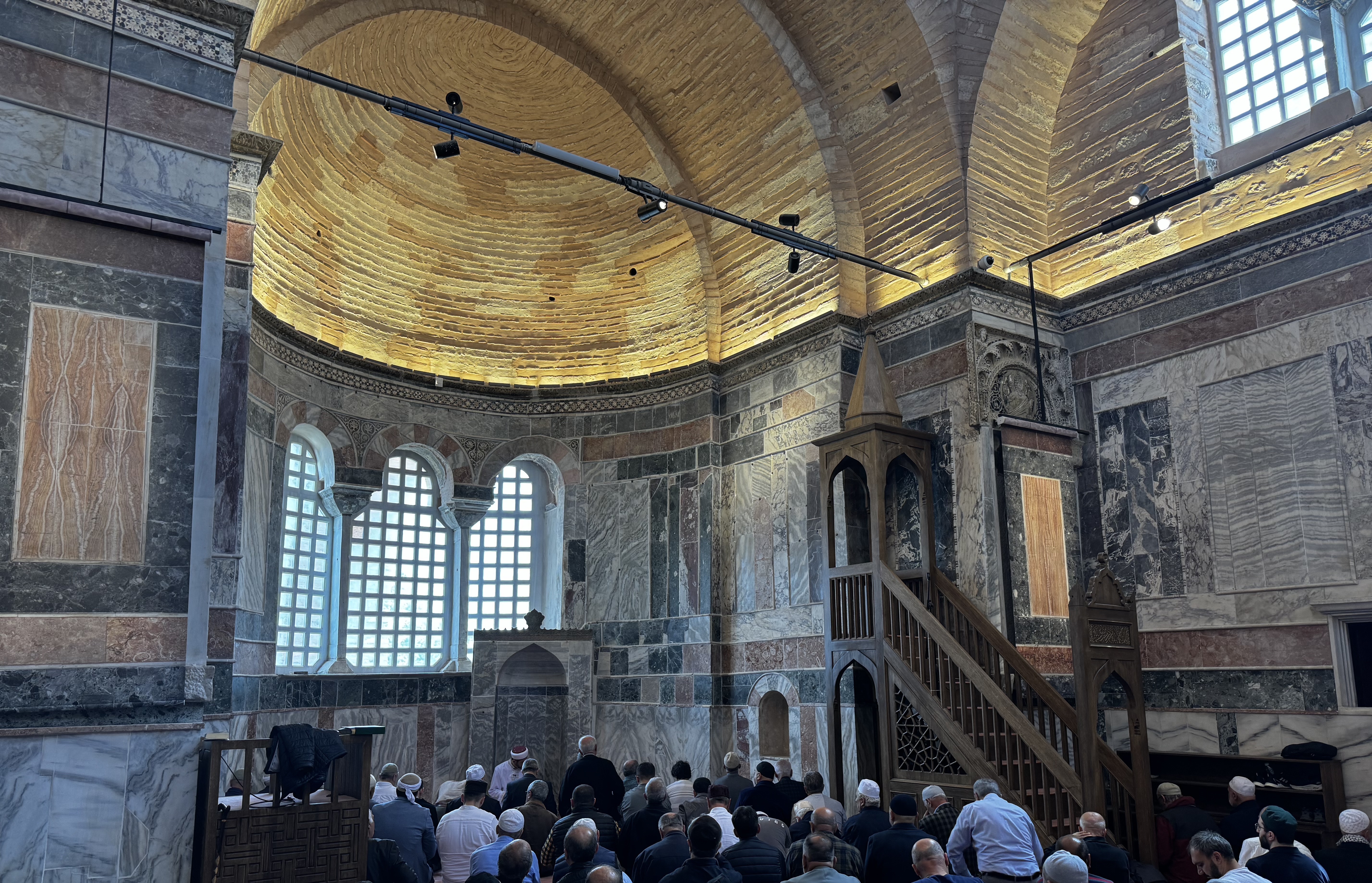
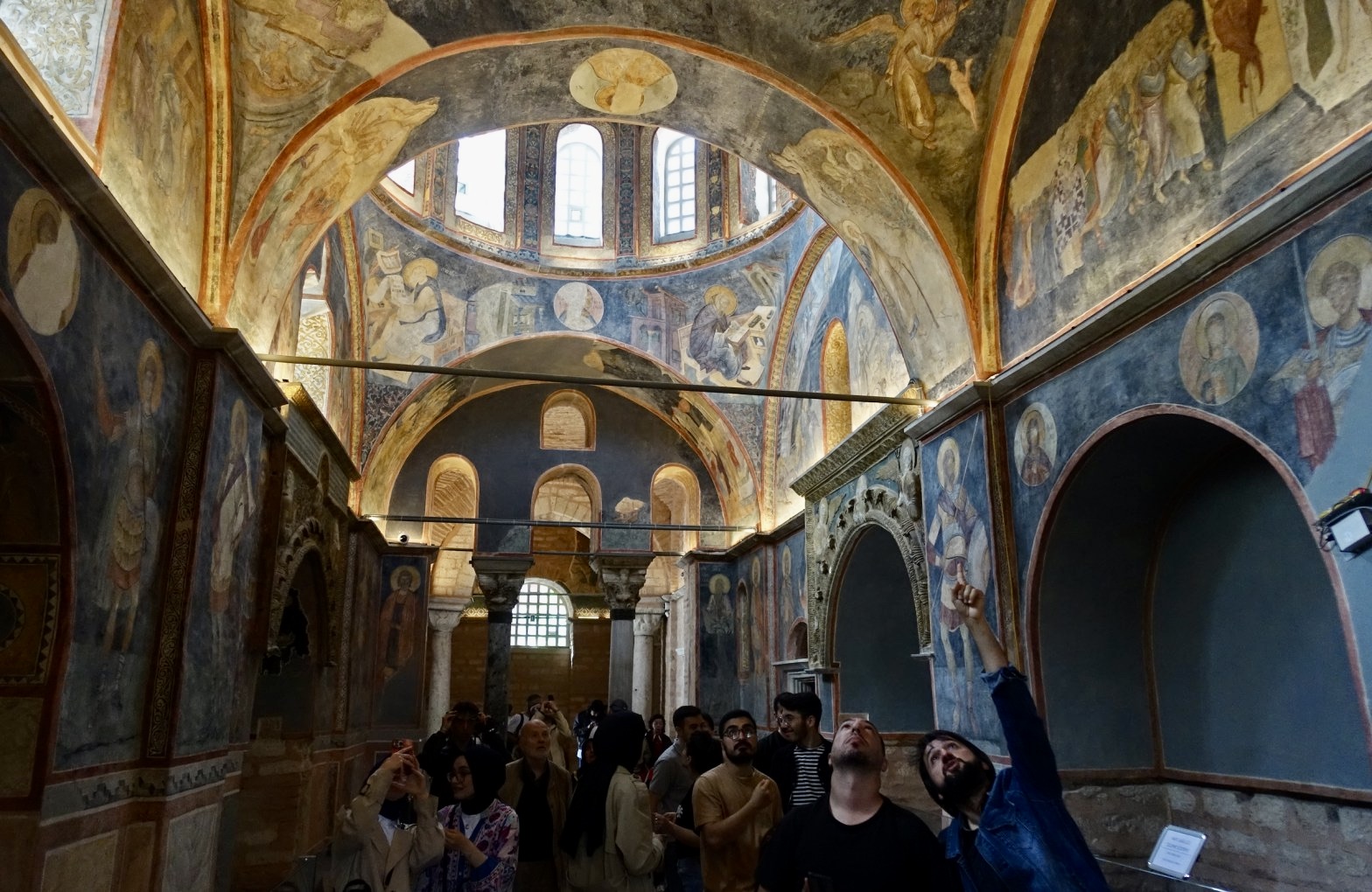
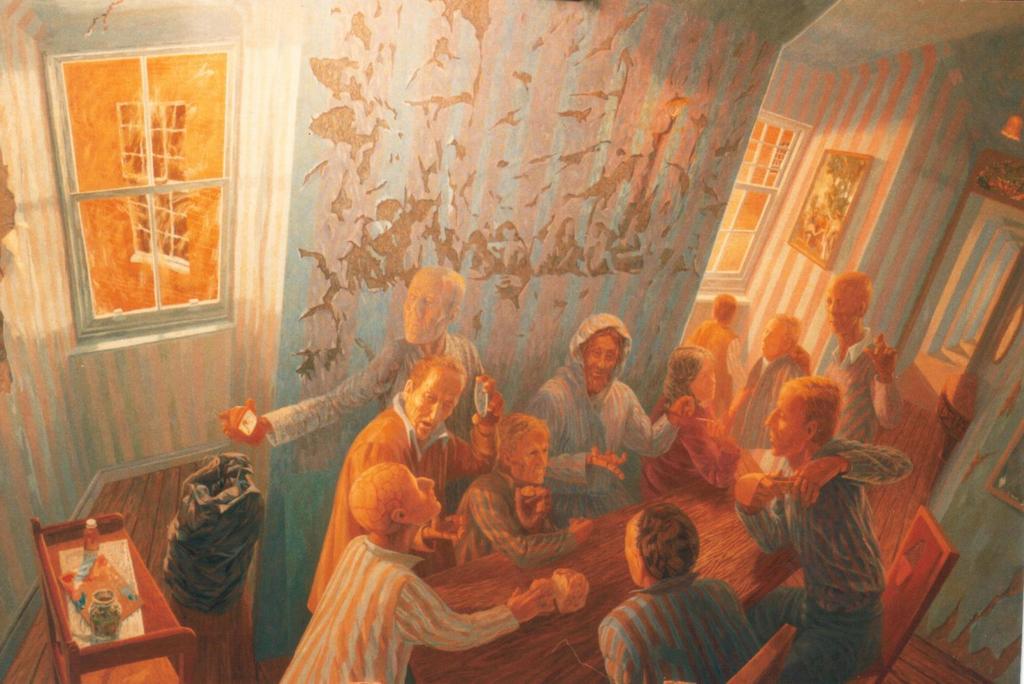
I believe that James Tissot came to realize this: Beauty is a form of divine revelation. And, that our joy when beholding beauty is our experience of God’s love manifest to and within us.
These themes are intrinsic to our participation in Holy Week. As we can learn from observing the traditional pattern for the liturgy on Good Friday, our focus in Holy Week is upon what God has done and is doing for us. The sign of this on Good Friday is our abstention from celebrating the Eucharist, and instead we receive communion from the sacrament reserved following the Maundy Thursday liturgy on the prior evening.
For God creates, God discloses, and God provides. Through all, God reveals self. God’s revelation involves God’s self-disclosing gifts. Within the divine attributes are those of initiative and efficacy, constitutive aspects of creativity. And so, when God creates human beings in God’s own image and likeness, God not only exercises creativity but also self-revelation.
Among the ways that we resemble our Maker is one that paradoxically can become a source of frustration for us. Positively, our Creator has given us intelligence and a God-reflecting capacity for creativity, initiative, and efficacy. In addition, God has given us an inclination toward experiencing freedom and an accompanying desire for its fulfillment. Employing these gifts can lead to an ironic and negative result: They allow us the freedom wrongly to imagine that God is actually a dispensable concept, and a coping mechanism which is just a reflection of our psychological needs and a projection of ourselves.
Reflecting on these things can lead us to recognize the heart of divine humility, that it should please God to create us in God’s own image and likeness. God has given us the capacity to imagine that we are self-made, and then to function in a parody of the divine role in Creation. This happens when we fool ourselves into thinking that we are the center of the universe. Expressions of this parody include our ideas that the universe is infinite, as are our own endless possibilities within it. Yet – and this is critical – only God is infinite, and we – like the universe – are finite beings, endowed not only with divine-reflecting capacities, but also with purpose, meaning, and identities that are not of our own making.

As we approach Holy Week, we have the opportunity once again to be those who watch, who listen, and reflect. As we do, we remind ourselves that we are bit players in the Divine Drama, whose Author has generously written for us a script that has a curious feature, ample provision for ‘ad-libbing.’ In fact, divine generosity is so abounding that we are allowed to create sub-plots within the overall story. To the point that we forget to reference the overall plot lines shaping the whole, as well as the Author’s purposes in creating them.
One thing that God achieved in the events of the Exodus was to remind both Pharaoh, as well as Moses and the people of Israel, that God was and is sovereign over history as well as over geography, the realms of both time and place. Forgetting this ancient truth, we neglect the comfort we can gain from the doctrine of Providence, that God provides for the needs of the world as well as our own, which God knows more intimately and with greater perception than we do. We should wonder that we are left free to imagine otherwise, a fantasy in which some of us at least occasionally engage.
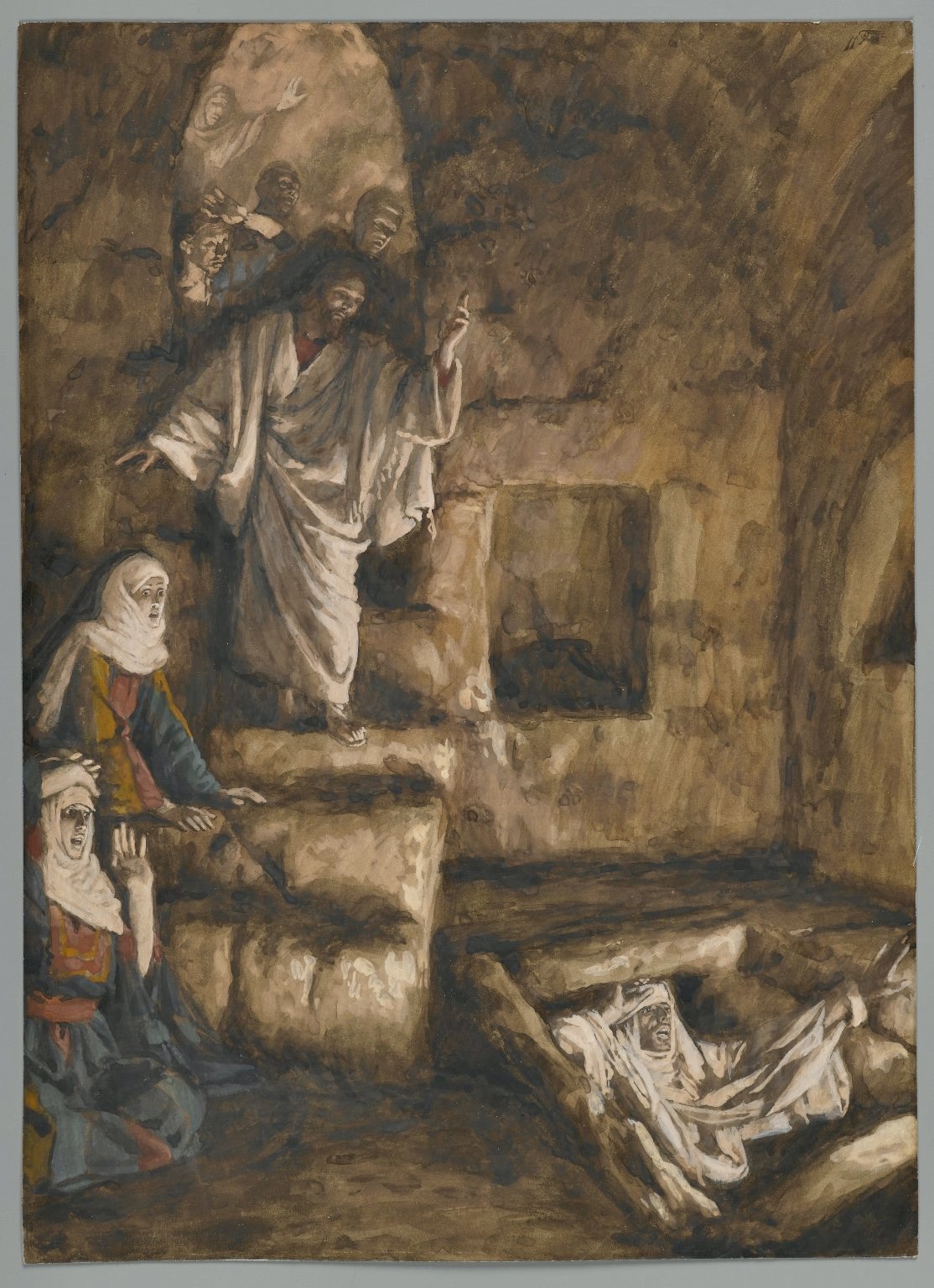
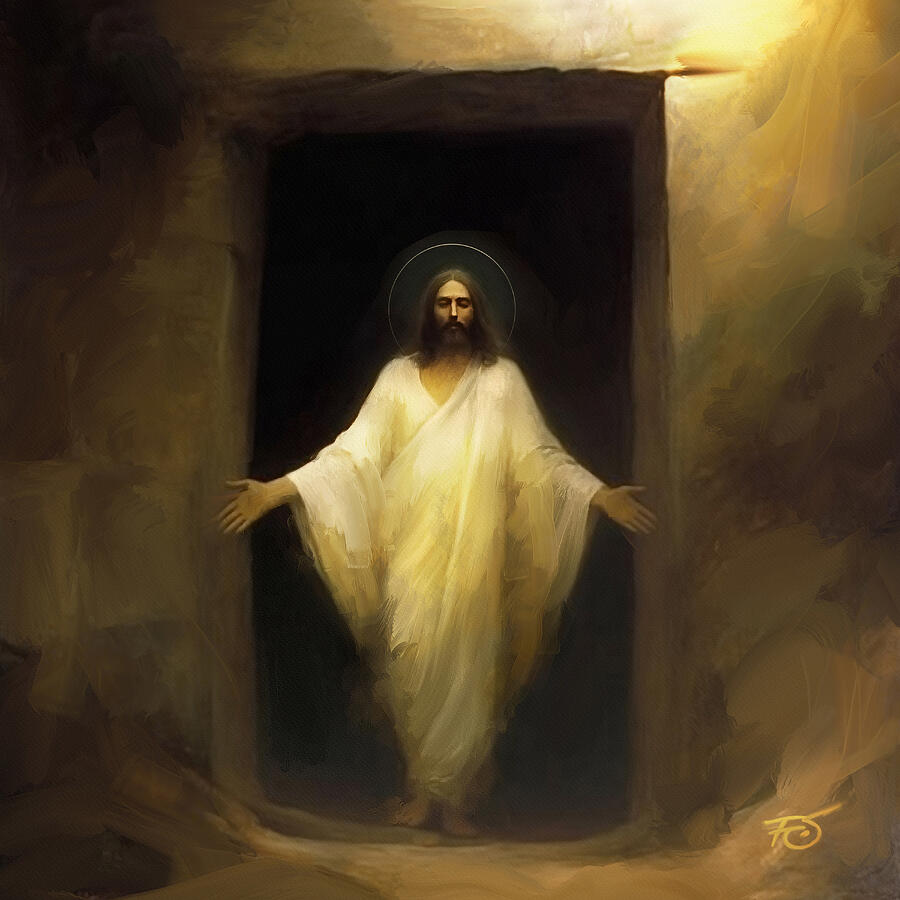
But the humility we are invited to recover in this latter part of Lent, and most of all in Holy Week, involves opening ourselves to a very real possibility. That God’s way of overcoming our refusal and failure to live into the potential we have been given involves the beauty of a strange and unexpected gift. Christmas reminded us of part of this gift, that God became human so that humans could become God-like, and in the best possible way. Holy Week allows us to rediscover the gift that God chose to identify so much with us that, in the ‘Son of Man,’ the Incarnate divine-human being, God passed through human death into the fullness of human life so that we might be enabled by grace to do the same.













 Toward Beauty