Nature and Creation

Encountered Beauty: Nighthawks in a Dark Sky

If reading this by email, please tap the title at the top to open your browser for the best experience. Then, clicking individual pictures will reveal higher resolution images.
 

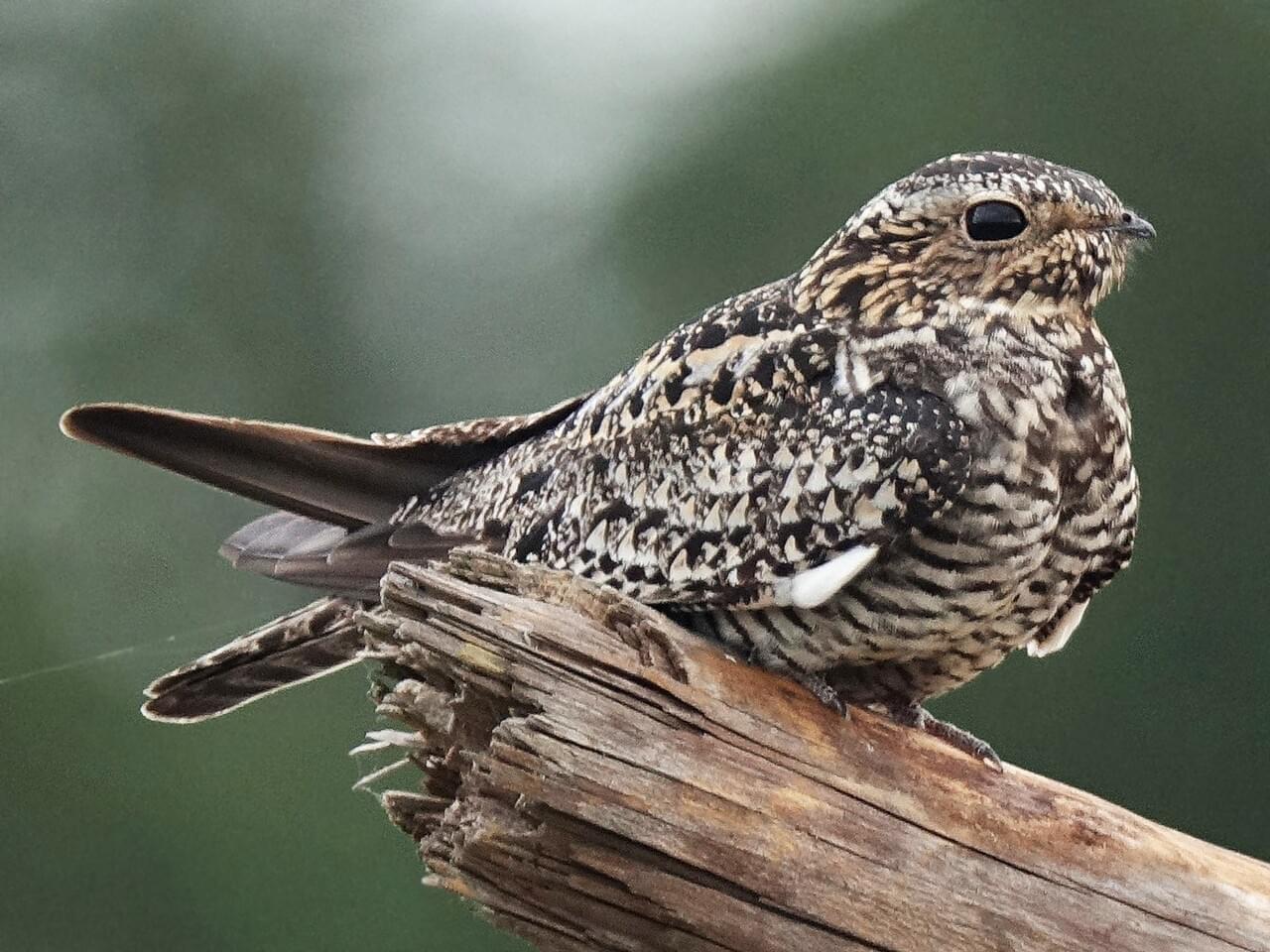
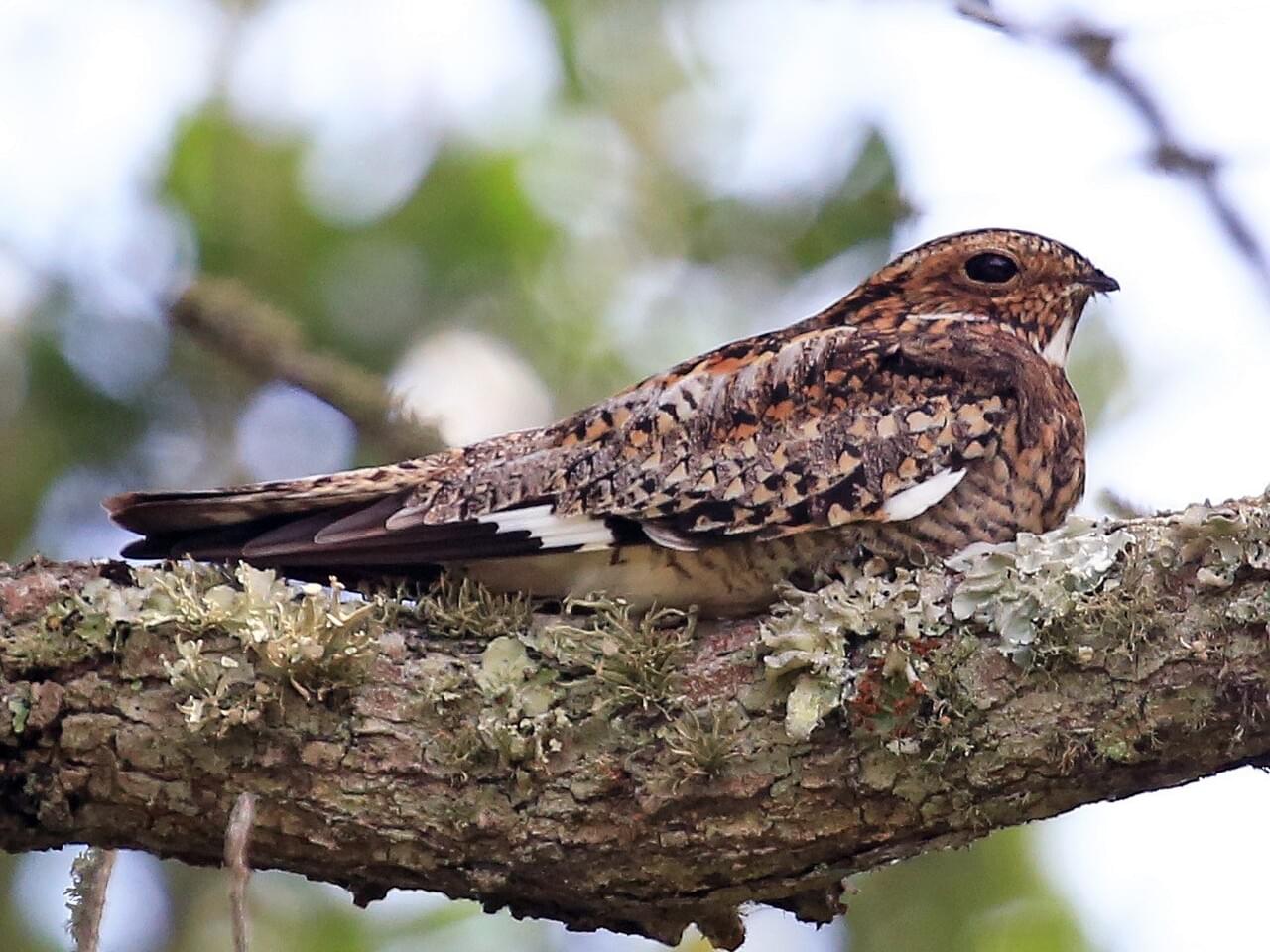
I have clear memories of a particular time of day in a town where I lived for two short periods of time, Northfield, Minnesota. In middle school, and then during college, I would frequently walk over the Water Street bridge spanning the Cannon River, by the old dam and historic Malt-O-Meal mill. On summer evenings and nights, I remember almost always hearing the distinctive nasal or buzzing be-zeet, be-zeet sound of birds calling to one another in the sky above. When I first observed them, I wondered what kind of birds these were, and about their surprising nocturnal behavior as compared with other birds more familiar to me. Based on the white patches on the underside of their wings, visible from the reflected glow of the lights in the town center below, I was able to identify them as Common Nighthawks, based on Roger Tory Peterson’s well-known book, Field Guide to the Birds.

Seeming to fly far above me, I was curious about their size, imagining them to be rather large. I then learned that their size and weight puts them somewhere between a common robin and a crow, suggesting that they do not fly as high as I had first imagined. Nighthawks are insect-eaters, which accounts for why they are so evident on summer nights, amidst the target rich environment of flying bugs swarming over city lights.

With their long wings, these birds engage in bat-like flapping as well as in gliding, and I remember them flying closely together as they went about their nocturnal feeding. The American Bird Conservancy website describes them in this way: “the Common Nighthawk’s erratic, acrobatic flight style gives the bird its folk name, ‘bullbat’.” Memorable in this regard is the way that they make occasional dives toward the ground. Some observers report that these dives cause the wind under their wings to make a booming or a whooshing sound, though I don’t remember hearing it.

I was intrigued to learn that, given their relative size, these birds will roost and nest on such apparently vulnerable locations as the ground, elevated tree limbs, ledges, and even gravel rooftops. Among things I appreciate about Nighthawks is how their mottled coloring, with blends of light and dark feathers, has adapted them well to survive in a variety of environments, and helps to protect them from predators like hawks and falcons. Of course, there are those incongruous white wing patches, which may be an evolutionary bow to some needs parallel to survival, both the attraction of a mate and the procreation of offspring.

The shape and size of Nighthawks’ comparatively long wings aid not only their feeding activity while flying, but also the extraordinarily long annual migration they make between their breeding grounds in North America to their winter habitats in South America. In fact, they are believed to have one of the longest migration patterns of all North American birds.

To me, Nighthawks are an unexpected kind of bird to find in a town center or in a city, given their dimensions and surprising willingness to live and reproduce in proximity to the commercial activity we associate with such areas. I am always delighted when I recognize their sounds above me on a summer evening, as I look up to see them wheeling about in the darkness, with their white wing patches flashing here and there.

In the natural world around us, with all its dynamic interrelationships, these amazing birds are our fellow creatures. In relation to them, as well as to other examples of what traditionally have been termed flora and fauna, we are called to engage in God-like stewardship. We all seem to have our favorite species in nature that we want to protect and care for. Needless to say, Nighthawks are high on my list.


The Nighthawk page from my grandfather’s copy of Peterson’s Field Guide to the Birds


The Beauty of Bonsai

If reading this by email, please tap the title at the top to open your browser for the best experience. Then, clicking individual pictures will reveal higher resolution images.


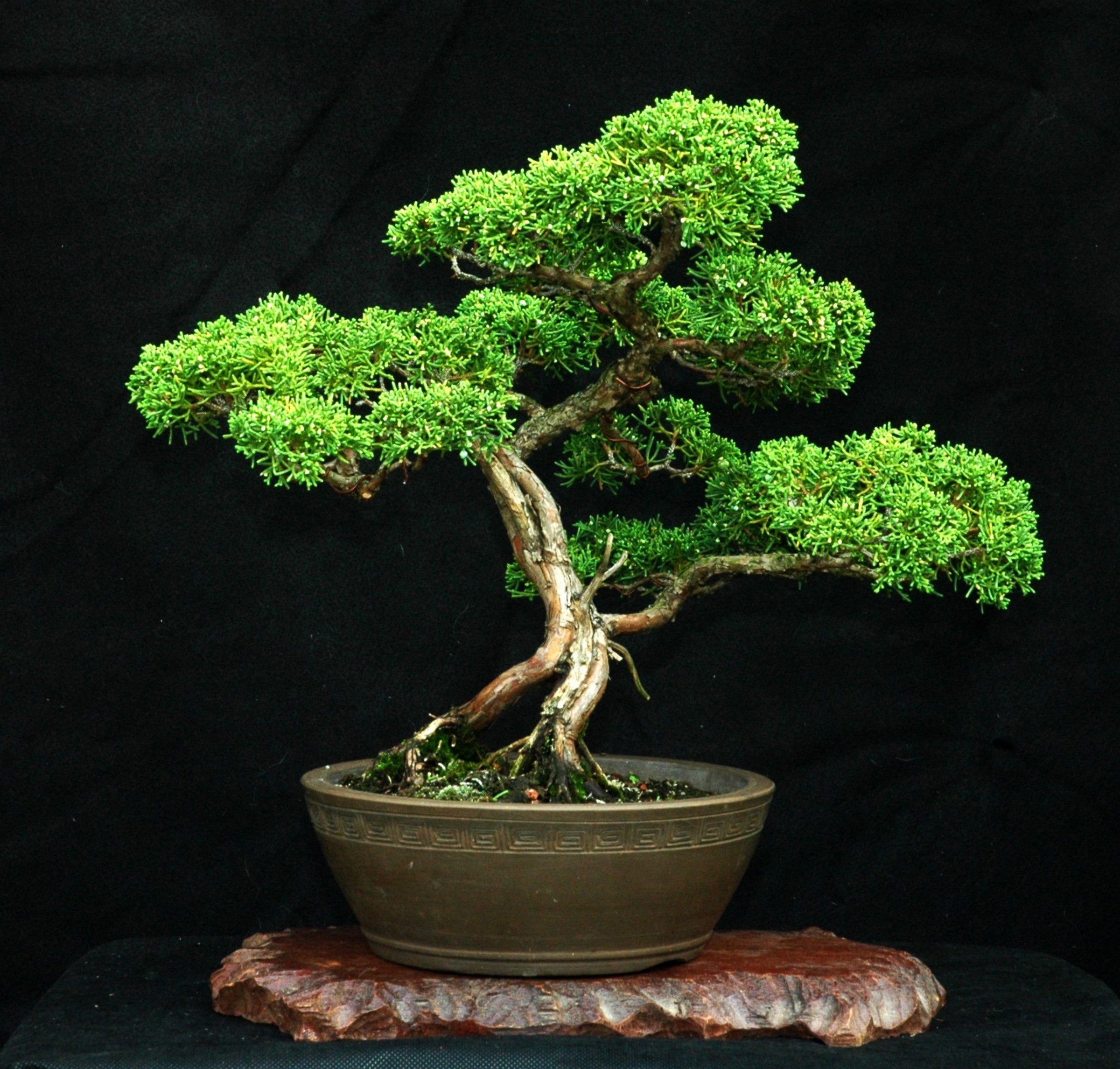
A local plant and garden center recently offered an introductory workshop on Bonsai, the Japanese and originally Chinese art of propagating and arranging miniature versions of living plants and trees. Upon registration for this workshop (and for a relatively modest fee), participants would be provided with a starter plant, a container for the project, and the basic tools and materials with which to begin their own Bonsai arrangement. With my childhood in Japan, and my interest in the arts, I jumped at the opportunity to learn some basic principles of Bonsai, an art which I have admired for many years. Nevertheless, I have been largely ignorant of the mechanics of this aesthetically-pleasing horticultural practice. Attending the workshop, I was not disappointed by the learning opportunity offered.

Upon going to our assigned places after arriving, each of us found a potted portulacaria afra, a succulent commonly called dwarf jade plant or elephant bush (photo below). We also found a glazed ceramic container, plant medium, and basic tools with which to create our first attempt at a genuine Bonsai arrangement. My potted starter plant was in a 6” plastic pot, about 18” – 24” in height, and root-bound in its container.

An example of portulacaria afra

Our first step in the process was to prepare the pot or container to receive the plant. I learned that the most useful plant containers have two drain holes, as well as two very small holes for upright wires. The photo below shows my pot after attaching the wires and screens.

Wires secure small mesh screens over drain holes, while a longer U-shaped wire emerges from below, to help secure the plant

Our next step was to remove the plant from its plastic pot, and determine where the upper primary roots lay. We were then asked to remove almost all of the former potting soil material (identified as pine bark mulch), and then to anticipate trimming the roots. Here, I found my first challenge. As an amateur gardener, disturbing the roots of a plant – much less removing the planting medium in which it has been nurtured – hit me as strongly counter-intuitive. Yet, this was actively encouraged.

A participant’s plant after removal of most of the original planting medium, before cutting extraneous roots

After initial preparation of the plant, we had our third challenge. This was to cut and shape the remaining exposed roots in such a way that the plant might sit well in the provided pot. The overall natural shape of the plant provided a starting point. But an aesthetic judgment was also needed for how this particular plant would best sit in this particular container. Here, I was beginning to discern how at first seemingly mysterious Bonsai practices become compelling to so many people. There appeared to be at least thirty or more participants in this workshop, on a Tuesday evening before the 4th of July!

So, how might my particular plant best fit in my provided pot?

How I situated my plant in the pot, secured by the upright wires

My plant before I trimmed the upper stems

Then came the most challenging aspect of Bonsai for me as a beginner. How should I trim the top of the plant, and to what extent should I prune back the stems and leaves? The main lesson I received here was this: do not be afraid of pruning!

Indeed, with the art of Bonsai, and apparently according to recognized horticultural principles, the more we prune our Bonsai plants, we will find a real diminishment in the size of the leaves as the organism grows!

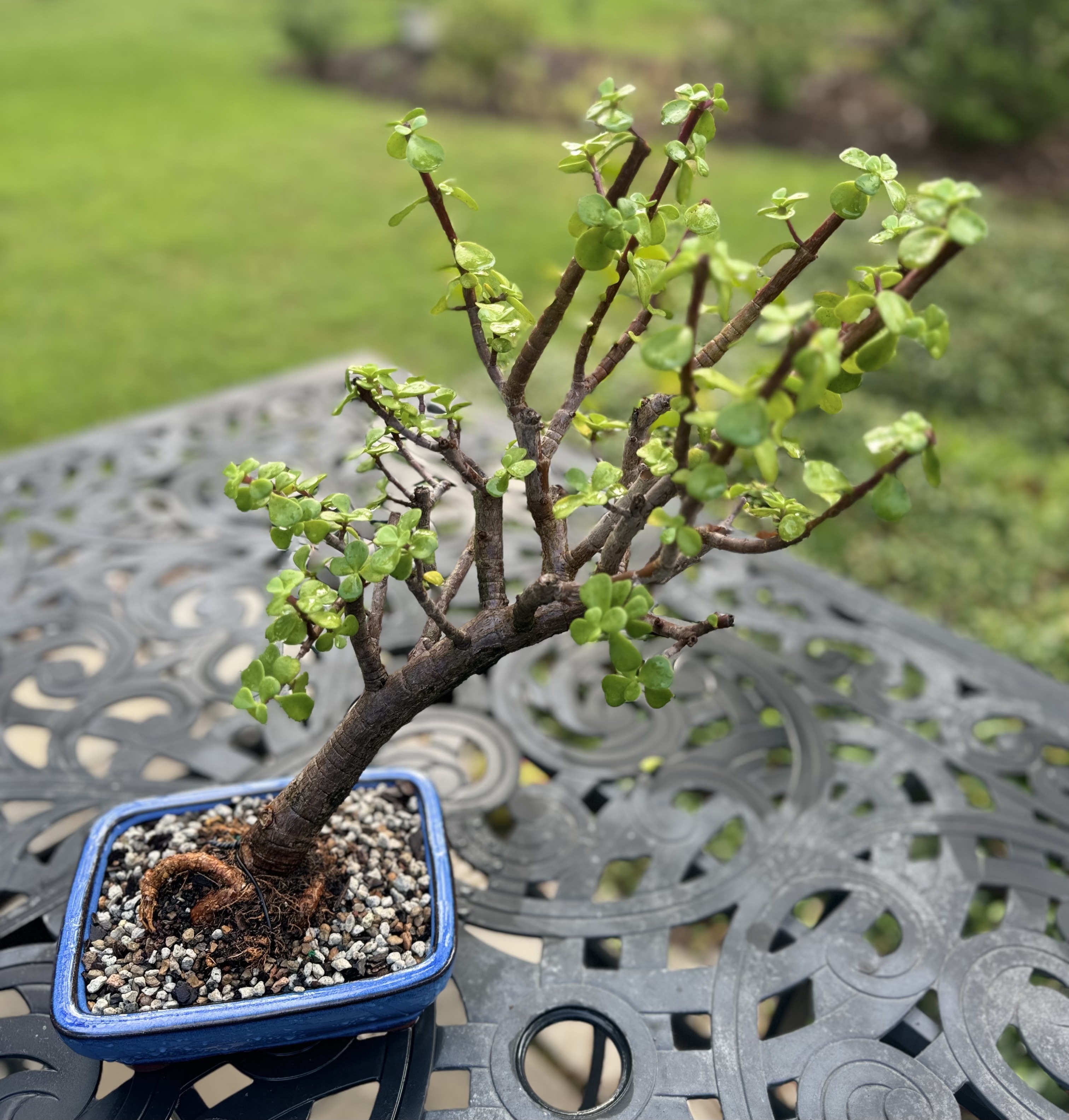
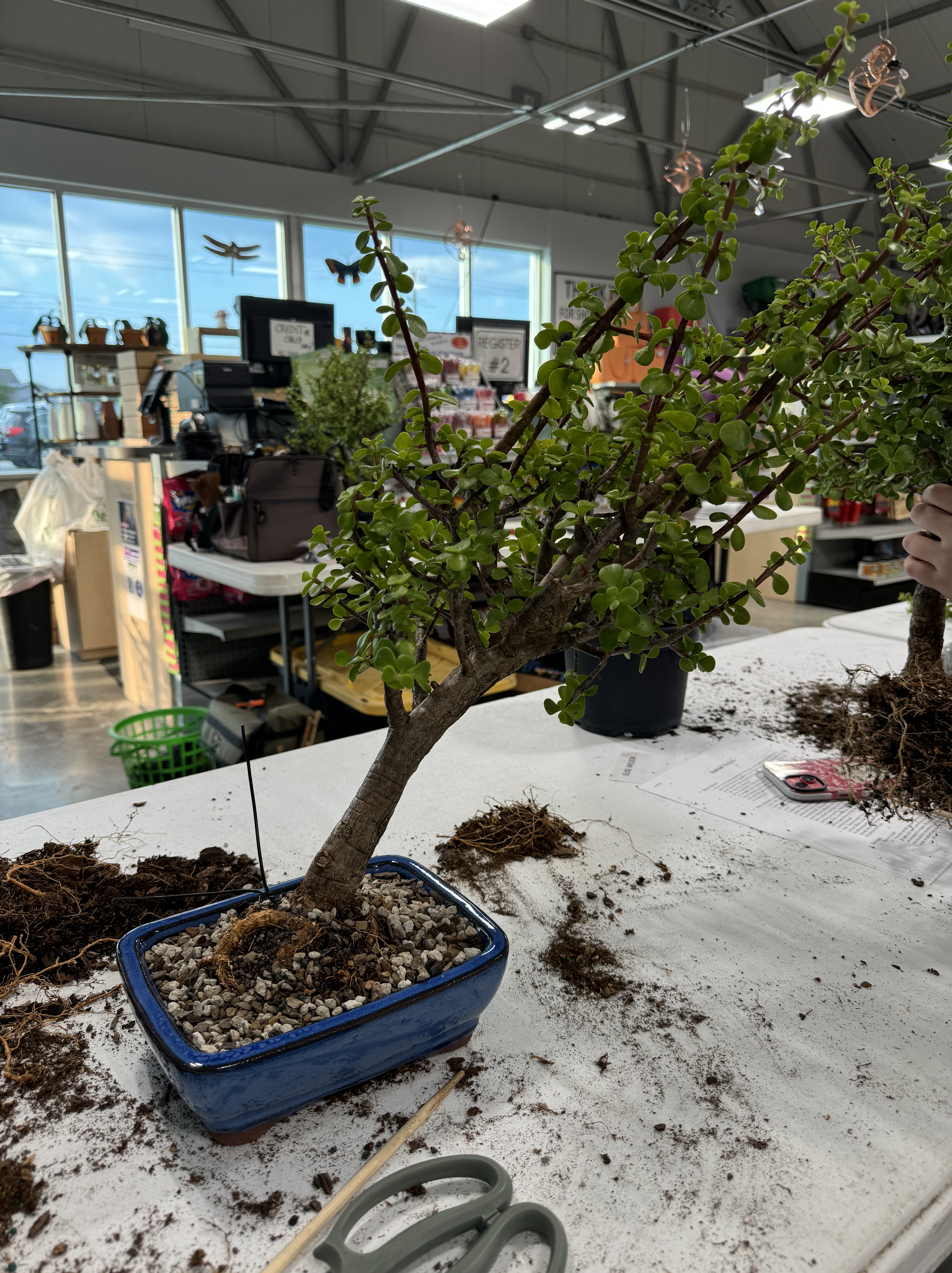
Here, below, is a photo of my Bonsai plant project at home, after some significant pruning.

The ‘windswept’ natural posture of the potted plant appealed to me, and I want to accentuate this by continuing to allow for the lean of the plant (to the right, in this photo), while counter-balancing this lean by promoting growth toward the opposite direction. As my recent mentors stressed, pruning will be everything!

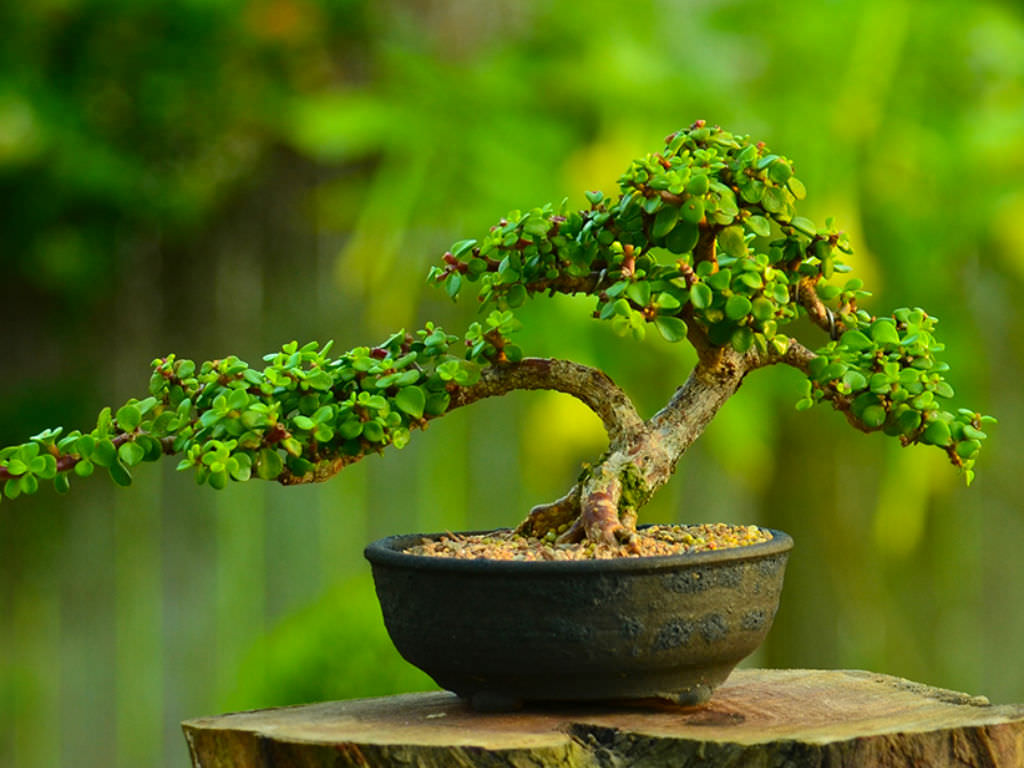
What my portulacaria afra might look like some day


Note: as mysterious as this art-form may seem to Westerners, it is accessible to beginners in terms of method, materials, and technique. Ask your local plant and garden store about it!

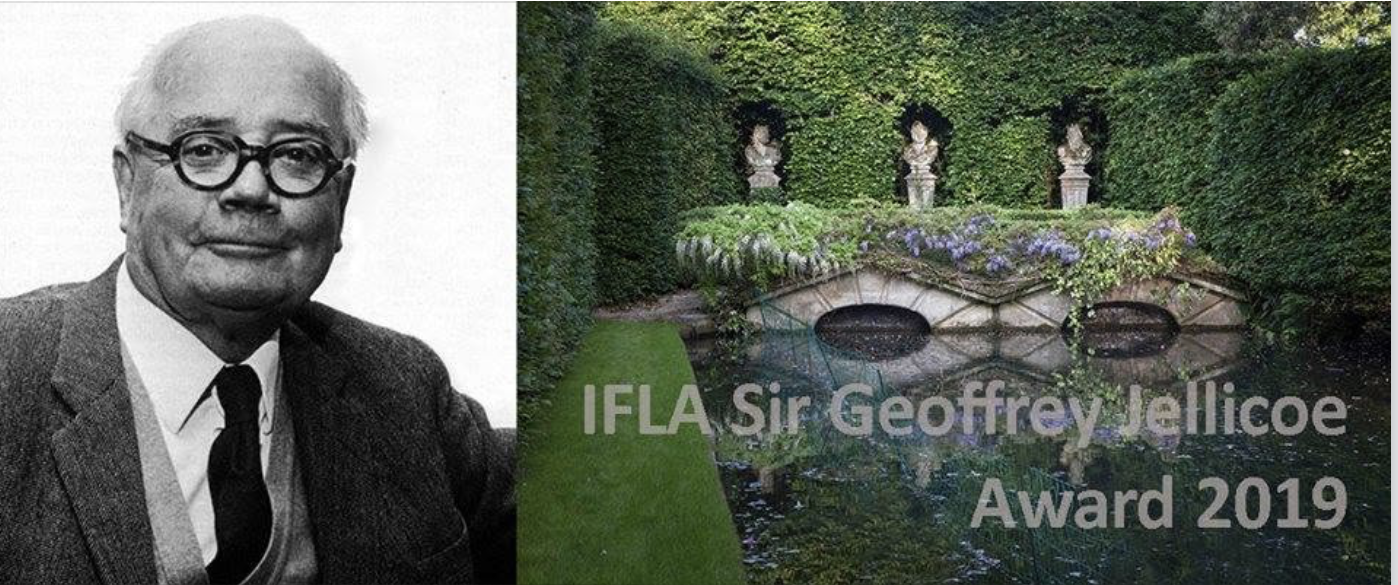
Geoffrey Jellicoe: Finding and Creating Beauty in the World

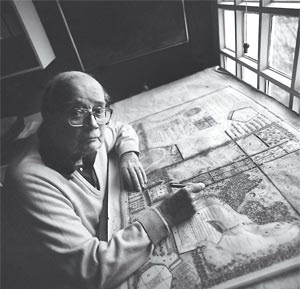
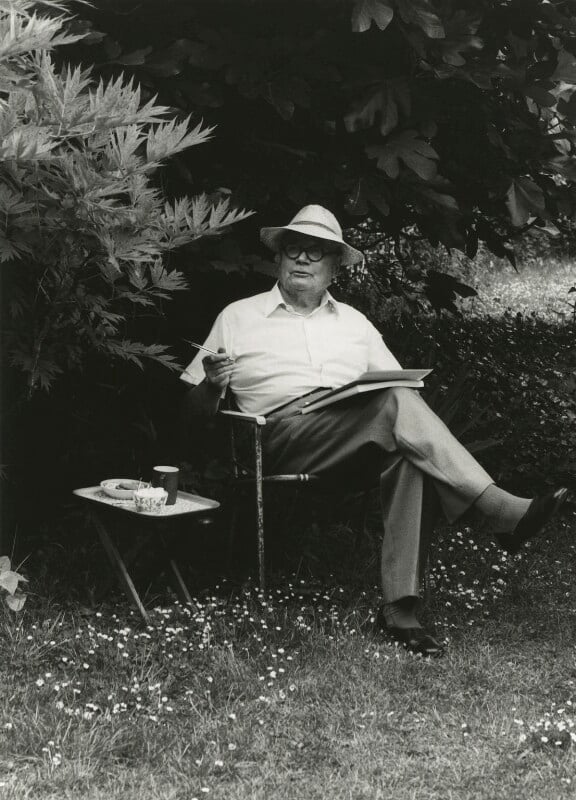
Sir Geoffrey Jellicoe at his London home shortly before his 90th birthday


Discerning beauty always presents an opportunity to experience joy. As many find, though, creating representations of beauty, as a chosen task, can be difficult.

Alive in my memory are images of areas of New York City and decaying areas of urban New England, during my high school years in the early 1970’s. I remember asking myself, as an aspiring architect and artist, how might I meet the challenge of creating examples of beauty in the world as we presently find it? Well, after some years, I discovered the life and work of Geoffrey Jellicoe, which provide an example of one way of answering questions that stay with me.

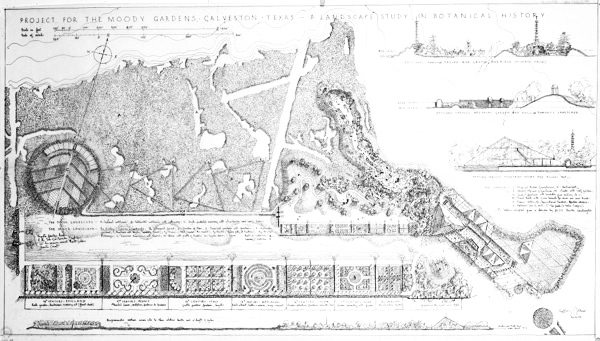
Late in his life, at a time when many seek the solace of retirement from actively pursuing such questions, Geoffrey Jellicoe took on a significant challenge. How might 150 acres of a seemingly forlorn stretch of a barrier island, adjacent to an urban area that has long surrendered to the declining effects of industrialization, be redeemed and transformed into a place for renewal by a humanistic vision of what might yet be?

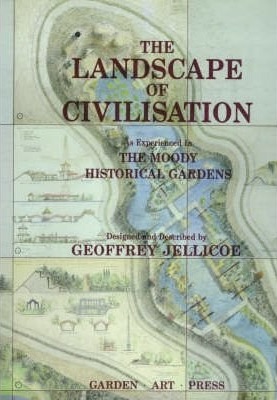
Jellicoe, at the age of 80, and to the surprise of some, accepted the opportunity to submit a proposal for what might become the Moody Gardens. In the process, he embraced the idea of working with a hundred-plus acres of neglected sea marsh and dune land on Galveston Island. This site even included a need to take into account an existing but under-used local airport. Nevertheless, the esteemed landscape architect, Jellicoe, envisioned a large facility centered on the nurture of human flourishing by designing what he hoped would become a significant botanical garden. Its plan would be dedicated to re-creating documented historic human efforts to re-shape areas of the world through the practices of horticulture and landscape architecture.

The Texas-based Moody Foundation, a philanthropic organization committed to education, health, and community development, found in Jellicoe the person they believed was best equipped to provide a master plan for what might become Moody Gardens, in the vicinity of Houston. And he brought to this challenge a lifetime of learning and accomplished work, which fitted him well to address this auspicious opportunity.

Encountering Moody Gardens as it has come to be, a vibrant, attractive, and an apparently successful facility, we may be mislead about Jellicoe’s orginal concept for the project. In presenting itself now as a tourist destination with resort-like amenities, Jellicoe’s early proposals for the Gardens seem fanciful if not also highly visionary. Yet, there may be significant things we can learn from his initial plans, and the concepts he sought to embody in his hoped-for realization of the project.

I can suggest a few of these potential learnings by posing some rhetorical questions – questions that I hope to address in future posts.

  • What is ‘our human nature,’ that we hope or believe we all share? What environments are most suited for nurturing the flourishing of our human nature?
  • What is Nature, and what humanly-created environments are most true to Nature? What things or places do we consider to be ‘natural’?
  • Why does it require human effort, financial capital, and institutional resources to facilitate, maintain, and preserve ‘natural’ environments? (Consider here the scope of the funding for the National Park Service, and the United States Forest Service.)
  • And, why is concern about the natural world- the ‘environment’ – properly a matter for serious theological reflection, and one especially related to our regard for Beauty? Why do our concerns about the natural world have theological significance?

Geoffrey Jellicoe at work in his garden

Beauty, Transcendence, and Personal Transparency


In preparing to offer an autumn class through an LSU seniors learning forum, I have been reflecting on the general themes that animate this blog website — art, beauty, and transcendence. The link between art and transcendence is intriguing, and for many of us, it is something we experience. Yet, the alluring and knowable significance of beauty – linked here with art and transcendence – is harder for us to get at. Relying upon a famous historical quote that some will recognize, I will paraphrase the matter this way: I can’t define Beauty; but I know it when I see it!

Readers of this blog will have noticed my prior exploration of what may be a common sequence or pattern in life experience. Through it, we move from encounters with Beauty, on to reflection about what may be Good. This then can lead to a search for, and reflection upon, what is True. These three facets of this transitional sequence, Beauty, Goodness, and Truth, are also referred to as the “Three Transcendentals.” They have  been portrayed in art history as the Three Graces, in the form of three young women appearing together as in a dance.

We may infer something from this common association between Beauty, Goodness, and Truth, in relation to the further category of that which is transcendent. The three so-called ‘Transcendentals’ at least verbally have something to do with our human interest in the compelling category of transcendence. [Note: transcendental and transcendence obviously come from the same root word.] For our experiential encounter with some objects and or events can lead us to describe them as having been memorably beautiful, very good, and or compellingly true. Why? Because when remembering these encounters as occasions in which we glimpsed, sensed, and or apprehended something real and beyond sense experience, we have had an engagement with what we may best describe as having a ‘transcendental’ quality.

One way to help account for the above is to recognize that we are ‘spiritual’ beings, and not merely animate beings whose significance can be explained solely in terms of bio-physical data and analysis. To help get at the questions we are exploring, we can refer to the long-recognized brain-mind question. Does human conscious experience terminate with brain function? That is the blunt way to put a matter that can be so much more suggestive and evocative. Our human experience – here and now, in our conscious awareness – clearly depends upon brain function. But what if it also transcends brain function?

Here, we can fall back upon a basic principle of received Christian doctrine: we are embodied. In life beyond, if it is granted to us, the New Testament tells us that we will remain ‘embodied,’ though not in the same form as we are now. So, if brain function demonstrably ceases upon physical death, and if consciousness may transcend the cessation of brain function, what might we make of this?

My reflections on these ideas have led me to a further perception, which may call for additional consideration. When we have encounters with objects, experiences, and or events, that we describe as highly beautiful, movingly good, and or compellingly true, we have experiences of not only what is here and now, but also of what may be transcendent. In having such experiences, we often feel more true to our selves, to who we are, and to whom we hope to become. And the world feels more real and true in an expanded way. In the process, we may become more transparent to ourselves.

Stemming from such experiences, I find that I am also more open to being transparent with others. How? Sensing I have encountered something truly beautiful, genuinely good, and or fundamentally true, I feel more alive, and more in touch with the way the world really is. These experiences leave me more sure about my perceptions of what I have sensed. I then find I am more confident about these experiences, and more willing to share them – and myself – with others.

Experiencing Beauty, apprehending Goodness, and discerning Truth, may therefore open the doors of communication we yearn to have with others.


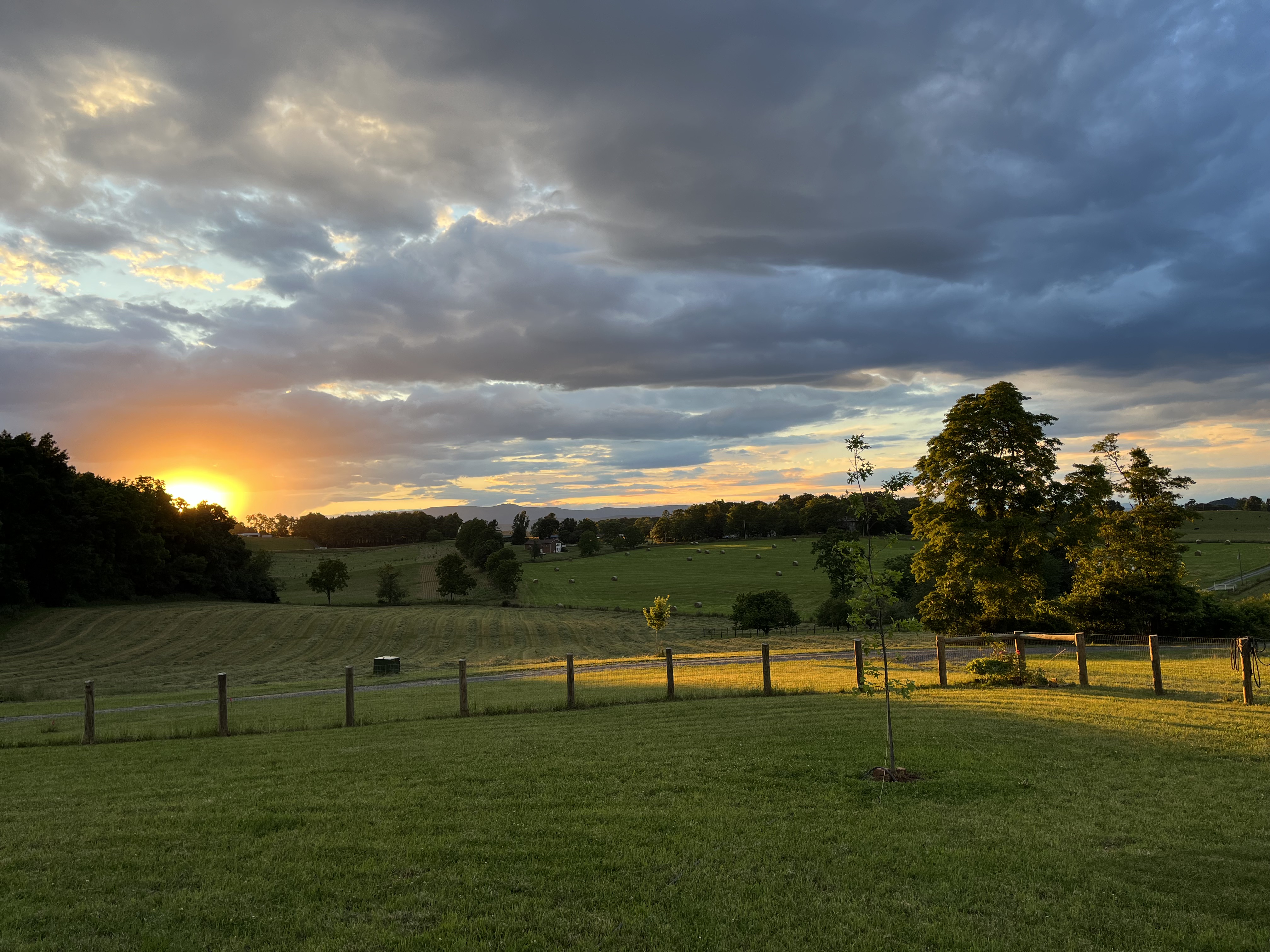
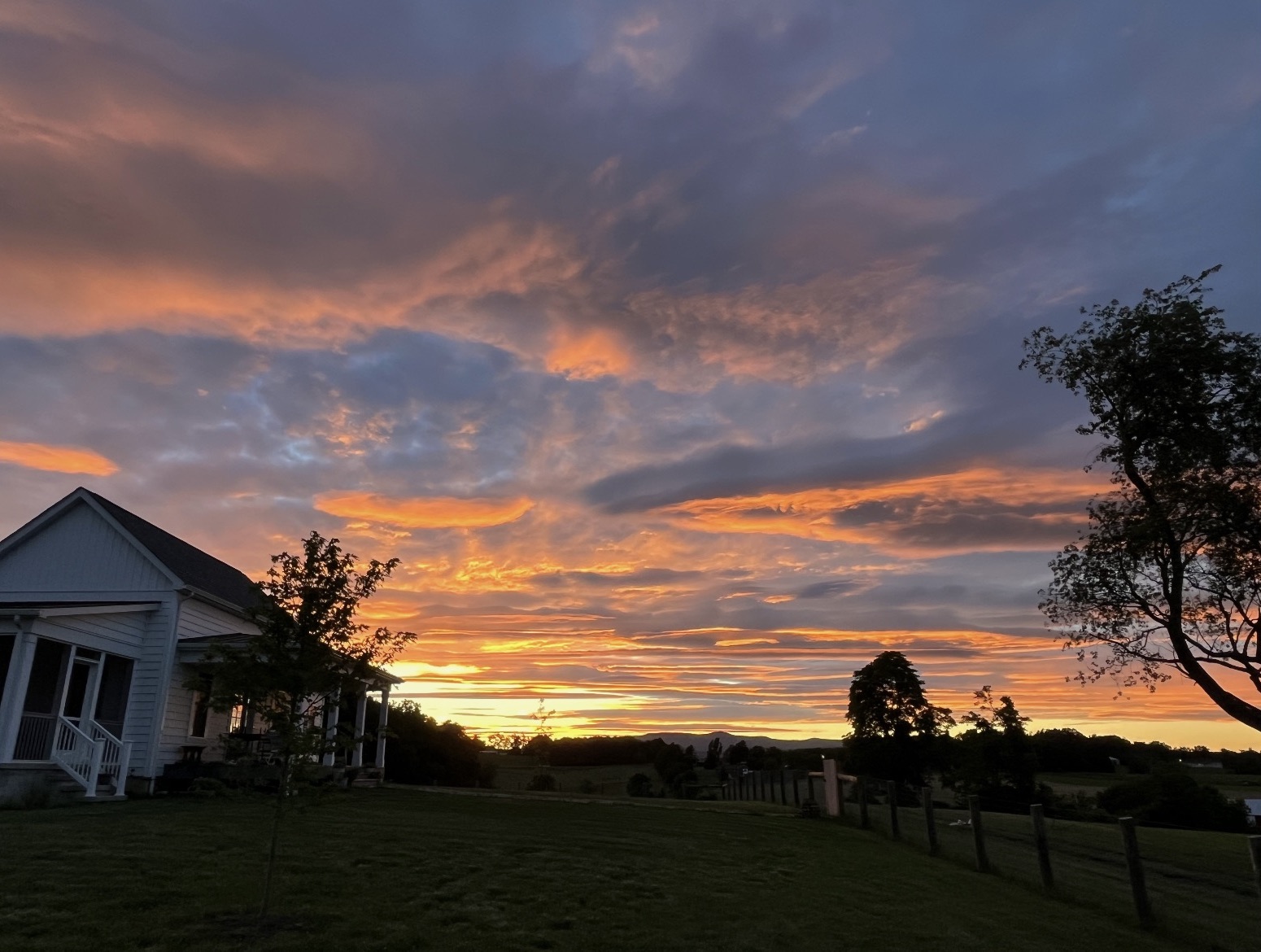
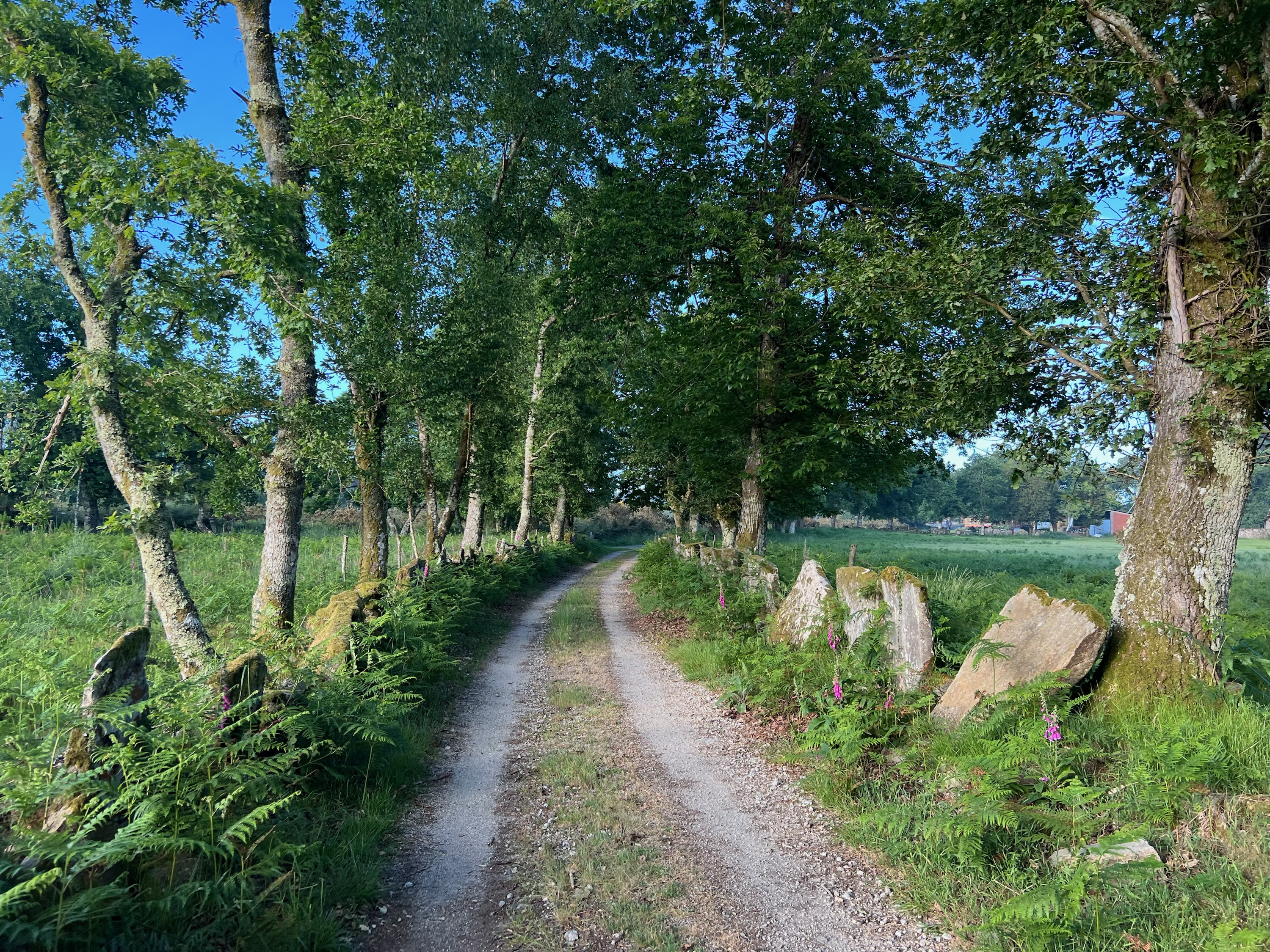
My thanks to a longtime friend, Chip Prehn, and to my brother, Greg, for the above photos. The first three come from Sassafras Farm, during haying season in Virginia, and the latter photo was taken while my brother was recently completing his fourth Camino de Santiago.

Helen Nearing and Beautiful Stone Walls

If reading this by email, please tap the title at the top to open your browser for the best experience. Then, clicking individual pictures will reveal higher resolution images.


With the visionary but also impractical exuberance of youth, I graduated from high school imagining I would build my own house somewhere in New England. My design ideas were shaped by Frank Lloyd Wright while my notion of ‘responsible living’ was largely influenced by Henry David Thoreau as well as Helen and Scott Nearing. While already loving Wright’s architecture, my high school English teacher, Nick Fleck, opened a compelling new world for me through reading and learning about Thoreau and the Nearings. I identified with these mentors and the values they shared regarding building homes for themselves, and of living in harmony with the land.

Through books and articles, I then discovered an unexpected complementarity between the Nearings’ approach to home building in Vermont and Maine, and Frank Lloyd Wright’s method of construction at Taliesin West in Arizona. In what some call slipform masonary construction, builders first erect wooden forms. Between them, stones and cement are poured and allowed to set, creating walls and support pillars for the resulting structures. This method allows for considerable design flexibility while also being very economical, especially when field stone is readily available.

The Nearing’s stone house in Vermont

With the Nearings, the results reflected European and early American traditional influences in their desire to achieve an economical simplicity that was harmonious with the terrain upon which it was situated. For Wright, the plasticity of the method allowed for the creation of non-traditional walls and roof supports of varying angles and sizes. Just as concerned as the Nearings with what he called “an organic architecture” accessible to the common person, FLW – like them – sought to create a home and work environment rooted within a site while employing locally or regionally found materials when feasible. Whether or not the Nearings ever met Wright, they were clearly kindred spirits. In their most well-known book, Living the Good Life, they quote Wright in the chapter relating their stated “principles of architecture.”

Helen Nearing (facing viewer) in the gardens outside the later ‘home made of stone’ in Maine

Drawing from FLW’s writing, the Nearings articulated four general rules that should bear upon the design of domestic architecture. “Form and function should unite in the structure…; buildings should be adapted to their environments…; local materials are better adapted than any other…; {and} the style of a domestic establishment should express the {residents} and be an expression of themselves…” Clearly, the Nearings were more successful honoring that fourth principle than Wright generally was with respect to the wishes and temperament of his clients!

Helen and Scott Nearing identified several reasons for their choice to build their homes and outbuildings with stone. Stone buildings look natural in their setting; these found materials provide a variety of muted but attractive colors; sturctures made of stone are durable, practical, and economical to maintain; and buildings of this kind are less vulnerable to fire, while retaining coolness in the summer and warmth during the winter. For the Nearings, a decision to benefit from all these advantages of working with local stone was made more easy by their desire and willingness to build the structures themselves, thereby saving the financial cost of labor along with a reduction in the cost of materials.

Scott and Helen Nearing at work on a wall

Given their preference for this building material, the Nearings shared an advantage also enjoyed by Wright in Arizona – plentiful local stone with which to work. Many New England fields and forests are strewn with pieces of rock. People in Louisiana who enjoy landscaping, wish they could take for granted finding stone in such abundance. By contrast, the Vermont homesteader wishing to put up some simple but immensely practical buildings, from tool sheds to houses, can begin with a wheel barrow and a pair of gloves. Two other items are needed: cement mix in adequate quantities, and wooden forms within which the walls are to be fashioned. Happy to work without mechanized tools, the Nearings used a wheelbarrow to gather the stone, mix the cement, and transport both to where they were needed.

Two photos of Taliesin apprentices at work building slipform walls

Another point of continuity between the Nearings’ and Wright in their approach to how we might best live was the way in which they attracted large numbers of young visitors and students. With both FLW and the Nearings, those who came and stayed sought to learn about the life and work of their mentors not merely in a intellectual way, but share in it holistically. The Nearings and Wright, in their different spheres of concern, nurtured communities of fellowship and learning. This helped them influence generations of young people who, led by the example of their teachers, lived into a deepened appreciation for significant principles to which one might commit a life.

The finished result of slipform construction at Taliesin West

Helen Nearing in front of a wall she built with Scott


For more about Nick Fleck and his influence upon me and many others, please see my prior post, “The Beauty of Asking ‘Why?’” Helen and Scott Nearing’s farm in Maine is preserved as a living legacy, and is maintained as The Good Life Center (https://goodlife.org/about/).

Here is a link to my earlier post featuring some house design ideas I imagined building for myself, “The Beauty of FL Wright’s Influence” (https://towardbeauty.org/2023/02/15/the-beauty-of-fl-wrights-influence/).

Note: blog settings have been changed to provide more opportunity to offer comments, using the link below.

The Beauty of Asking “Why?”

If reading this by email, please tap the title at the top to open your browser for the best experience. Then, clicking individual pictures will reveal higher resolution images.

Back cover photo from Natural Sustenance: Selected Poems, by Nick Fleck


“Why?” It all started in a seemingly innocuous way. “What do you want from this course,” he asked. A brave one among us ventured the answer that some of us were thinking, but were not honest enough to say: “an ‘A’.” Our English teacher, Nick Fleck, responded to my classmate in a neutral way, with a further question, “Why?” Our fellow aspirant to higher grades began to offer pretty typical answers, unoriginal and unsurprising. “I want a high GPA. (Why?)… I want to get into a good college. (Why?)… I want to get into a ranked law school. (Why?)… I want a good job at a high powered law firm. (Why?)…”

Gradually the pauses before our classmate’s answers became longer. And while his responses still sounded plausible, they seemed less and less assured. That first class session set the tone for the rest of term, as over time Nick prodded all of us to articulate answers to questions like these. And nudged us toward answers that were more and more our own, and less dependent on our peers, our parents’ expectations, and our perceptions of the uncertain world outside our rural New England prep school.

Why? The question at first provides an invitation to share acquired knowledge, display settled opinions, and voice aspirations. But the question can also be unsettling, especially when we begin to run out of platitudes and ‘safe’ answers that don’t require self examination or being open to adopt a different perspective.

I can’t fully explain why, out of a class of some 350 or so fellow graduates, I was one of only 3 or 4 who did not go directly on to college. But Nick Fleck’s persistence in challenging us to think for ourselves played a big part in it. Temperamentally, I was and am a self-learner, which disposed me toward pursuing that risky path (“…in a blind career…,” as in a line from a poem Nick had us read). Naive self-confidence also bolstered my willingness to undertake a journey on what appeared to be a largely untested road. I wanted to be an architect and to make art, and those whom I most admired had embarked upon their careers in earlier times by this same route through apprenticeship and self-study.

Having been so consistently asked why, I made the question my own and began asking it in a self-referential way. Why did I want so strongly to embrace and try to create what was beautiful? Why was this important to me… and to others apparently walking the same path? Why was I then beginning to wonder whether this was good and, if so, to what end? And why then was I going on to ponder what was good for its own sake as compared to things of passing significance?

Within a year, after living in New York City seeking non-existent apprentice drafting positions during the ‘oil crisis,’ I returned hesitantly to formal schooling. My college art studies were interrupted by another sideline, driving a forklift in a warehouse freezer for six months as a Teamster. Then, surely to my parents’ relief, asking why led me on a more traditional path, from art history to classics and medieval studies, during which I experienced an unanticipated spiritual conversion. All the while I was living with the same question: why?

Nick Fleck was not a religious man in any sense that I could discern, though he was clearly attuned to the ethical principles exemplified in Thoreau’s writing, and latent in poems he would have us read. I think it greatly surprised him when, returning for our 25th reunion, I gave him credit for setting me on the path that led to my conversion, ordination, theological studies, seminary teaching, and parochial work – experiences not readily familiar to him. But he was the one who persistently asked why, and who invited us to own the question for ourselves.

This week I realize that Nick’s great question was at the heart of the Disciples’ questions when Jesus predicted his forthcoming suffering and death. Nick’s question is simple, and perfect for Lenten reflection.


I was happy to see an article in the Greenfield Recorder noting how Nick Fleck had founded the Northfield (Mass.) Bird Club and was still active in leading bird walks. I trust that he continues to write and share his poetry, and help open new worlds to young persons. He helped us to discover the power latent in the word, “why,” especially when posed as a question.

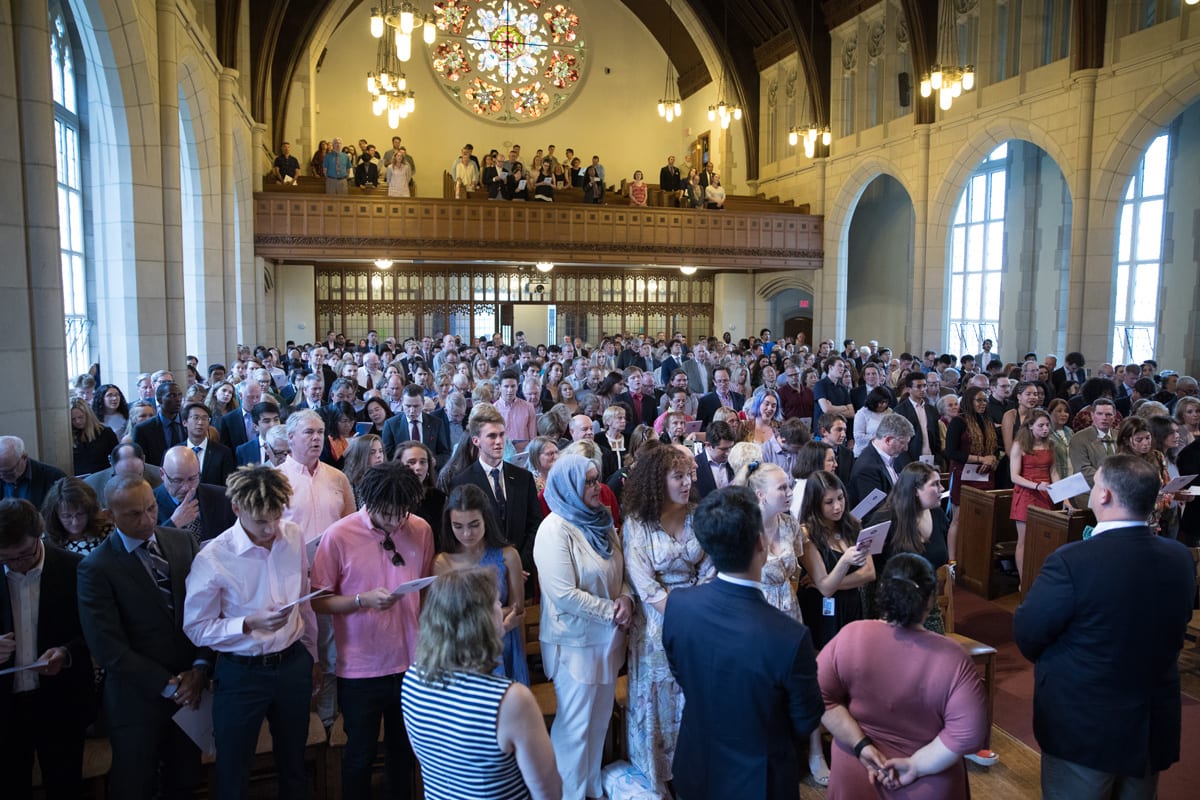
The recent movie, The Holdovers, was partly filmed at my school, Northfield Mt. Hermon, and is set in exactly the time period I was there. During those years, I was in the chapel depicted within the movie a couple of times each week for required assembly gatherings. Seeing my school again during my 50th graduation anniversary year has obviously brought back memories.

A recent gathering in Northfield Mt. Hermon’s Memorial Chapel.


Note: blog settings have been changed to provide more opportunity to offer comments, using the link below.

Rousseau and Wilderness: Redemption in Nature?

If reading this by email, please tap the title at the top to open your browser for the best experience. Then, clicking individual pictures will reveal higher resolution images.

Henri Rousseau, The Dream (detail), 1910


What does it mean for God’s grace to be present in nature? Or God’s mission of Redemption to be at work in what Christians view as a fallen Creation? The Gospel for this coming Sunday, with Jesus tempted in the wilderness, might prompt us to think about such things. An unexpected way to do this is to juxtapose Mark’s surprisingly brief ‘temptation narrative’ with Rousseau’s jungle-like images of a state of nature.

How shall we understand Mark’s account of Jesus’ being tested in an inhospitable place? And how does Rousseau conceive of the natural state of what Christians think of as Creation? A painting by Rousseau helps set the scene:

The Sleeping Gypsy, 1907

In light of it, we can consider the two verses that Mark devotes to Jesus’ temptation:

The Spirit immediately drove him out into the wilderness. And he was in the wilderness forty days, being tempted by Satan. And he was with the wild animals, and the angels were ministering to him.

Only two verses are accorded by Mark to this rather pivotal event, to which Matthew devotes 11, and to which Luke gives 12. The way that Matthew and Luke refer to the wilderness of the temptation suggests that it is a hostile context for Jesus’ encounter with the Tempter. In both of these longer Gospel texts, three principal temptations are identified, which occur following Jesus’ forty days of fasting. The three were: to feed himself, to become a wonder-worker, and to receive the adulation of the world’s kingdoms. Matthew adds that Jesus received the ministration of angels following – rather than during – his period of trial.

Whereas Matthew and Luke present the wilderness as an unpromising environment for Jesus’ challenging encounter with his adversary, Mark’s spare account of the event and its setting allows for a rather different reading. We can pose the matter in the form of two questions shaped by Matthew and Luke’s narratives.

Does Mark present the wilderness temptation of Jesus as being in a difficult place due to the presence of the Tempter and because it is filled with prowling and potentially dangerous wild beasts?

Man Attacked by a Jaguar, 1910

Or, does Jesus’ desert encounter in Mark represent not so much the threatening last gasps of a rebellious and dying world, but the first breaths of a life-giving new one, just now coming to be?

The Waterfall, 1910

Rousseau’s painting of the sleeping woman and the nearby lion, above, provides an image of harmonious coexistence in a place shared by a human being and the proverbial king of beasts (an ‘alpha predator’). In other words, Rousseau – in some of his paintings – portrays an ideal image of the original state of nature, the biblical Eden, before nature became ‘red in tooth and claw.’

A Woman Walking in an Exotic Forest, 1905

If so, then Mark’s statements that Jesus “was with the wild animals,” and also that “the angels were ministering to him,” may reflect what Christians have come to think of as ‘the peaceable Kingdom’ and ‘the New Creation.’ Which then suggests that – in Mark – the wilderness was good place despite the presence of the Tempter.

I am drawn to how Rousseau depicts the natural beauty of what we often describe as ‘wild nature,’ portraying it in both inviting and in cautionary ways. He paints it as a context of harmonious interrelation between human beings and animals in a shared environment. He also paints it as being a context where animals are a threat to one another and to humankind. Rousseau’s painting of Eve hints at both possibilities, where she is charmed by the serpent:

Eve, 1907

In the painting below, which complements his image above, another ‘Eve’ charms the serpent. Rousseau fills the beautiful canvas with a limited color palette, largely green, expressing the same dimension of ambiguity. A woman plays a flute while a serpent is draped upon her shoulders and others hang from the trees or rise up from the ground:

The Snake Charmer (detail), 1907

Looking at Rousseau’s many jungle-like ‘exotic landscapes,’ one notices the evocative presence of mystery. The viewer does not immediately know what lurks in the shadows, beneath and behind dense and dark foliage, in scenes often featuring bright flowers or fruit in the foreground. And upon discerning animals and also humans among all the growing things in the thicket between the trees, we can’t be sure whether what we encounter is friend or foe.

Jaguar Attacking a Horse, 1910

Exotic Landscape, 1910

In these and other scenes, Rousseau portrays an invitingly beautiful world, but one that is not without the possibility of misadventure and harm. I may not want to live in some of these scenes. But I find joy living with their beauty. For they help me appreciate a new way of reading and thinking about Mark’s brief account of Jesus’ temptation ‘in the wilderness.’ Jesus possibly could have repeated the great mistake made by Adam in the old Eden. But in not doing so, ’the second Adam’ became the door to a new Eden, and our ‘ark’ to the New Creation.


Note: blog settings have been changed to provide more opportunity to offer comments, using the link below.

The Beauty of a Small Boat

If reading this by email, please tap the title at the top to open your browser for the best experience. Then, clicking individual pictures will reveal higher resolution images.

A West Wight Potter 15 rigged with a second jib sail


Having recently featured a ‘tiny house’ on wheels, I find myself thinking about the beauty of small boats. Among examples, I love the West Wight Potter 15 (or P15). Originally designed and built in 1960 by Stanley Smith on the Isle of Wight, P15’s are found all over the world. Though not designed for ‘blue water’ navigating, some have been sailed across the ocean. In 1972, John Van Ruth sailed an early version of the boat from Mexico to Hawaii!

In a prior post, I shared how I discovered this venerable boat design through an article by Anne Westlund, in Small Craft Advisor, documenting her cruise on Lake Powell.

Anne Westlund’s Pea Pod, along with a friend’s P15, on Lake Powell

I was captivated by Westlund’s account of how someone could enjoy a week or more on and in the confines of a 15’ boat. Remarkably, Anne has spent whole summers on Pea Pod, her P15. The West Wight Potter has been described as having the buoyancy of a cork and the roominess of a pup tent. Undaunted by its potential size limitations, many value them, perhaps inspired by the famed ocean sailors, Lin and Larry Pardey, who said, “Go Small, Go Simple, but Go Now.” Though no longer manufactured, used P15’s easily can be found because so many have been built and remain in good condition due to their sound design and construction. Should replacement parts be needed, they are readily available and economical compared to components of larger and more elaborate boats.

Stanley Smith with his brother, with an early West Wight Potter like the one he bravely sailed from England to Sweden

A P15 fits in a garage and can be towed behind just about any vehicle. Two adults can sleep comfortably in the boat, and many P15’s are equipped with a battery, navigation and cabin lights, and other amenities including limited stowage space. Approached as if preparing for a backpacking trip (and with some of the same supplies), a weeklong cruise on a Potter is realistic, especially if going solo. The experience may be of a minimalist kind, but small boat sailing can provide for more time on the water with less maintenance. Sailing one may call for greater agility and balance (small boats can be ’tippy’), and calmer sea conditions. Small boat sailing may also be more physically tiring due to confined quarters and a more frequent need for sail and tiller adjustment.

My P15, Zoe, at the end of a glorious day of small boat sailing

For those who don’t mind getting dressed while sitting down, a safe and dry boat like a P15 is a great choice for sheltered waters and coastal sailing. I have cruised on Lake Charlevoix in northern Michigan for two weeks on Zoe, and 4-5 day trips on her in Arkansas. Water-tight dry bags for clothing and gear, and a cooler – on deck – expand the possibilities for longer cruises. During spells of bad weather and for leisurely evenings, I set up an awning over the cockpit with a large tarp and bungee cords. It’s good to have shore facilities nearby for restrooms and other necessities. Yet, a porta-potty (for use under the awning-cover) can be stowed aft in the cockpit. An occasional onshore meal and visits to a public library have also enhanced my times away on a small boat.

Sailing provides a good metaphor for our spiritual lives, as many have noted. When sailing, we don’t have any choice about the weather, but we can choose how we engage it. A motor is helpful getting into a marina in the evening, or out of trouble if a storm comes up. Yet, the beauty of sailing – especially in a small boat – lies in creatively engaging the wind to maintain a course and get somewhere. Small boat sailing is more susceptible to sudden changes in wind and wave conditions, as well as varying water currents. But this kind of sailing may be more energizing because of a greater need for the sailor to interact with these conditions, especially when they are challenging.

If we find peace in being close to the water and feeling the wind, a small boat is a wonderful thing to sail. For beauty can be found almost anywhere in God’s good Creation. Especially if we are open to it.


Additional note: My earlier post featuring the WWP15 can be found by clicking here. If you become enamored with the WWP15 as I have been, I recommend Dave Bacon’s book, The Gentle Art of Pottering: Sailing the P15.  A quote from Jack London: “Barring captains and mates of big ships, the small-boat sailor is the real sailor. He knows – he must know – how to make the wind carry his craft from one given point to another… it is by means of small-boat sailing that the real sailor is best schooled.”
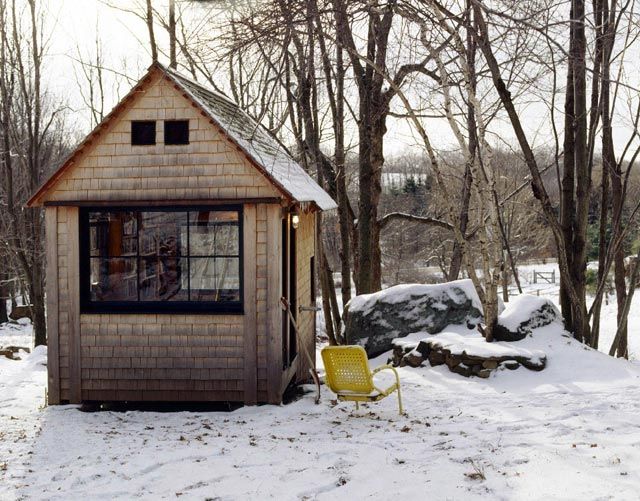
Especially in a small boat, never go out without proper safety equipment. As Captain Ron said, “if it’s going to happen, it’s going to happen out there!”


Blog note: settings have been changed to provide more opportunity to offer comments, using the link below.

Why Beauty?

[If reading this by email, please tap the title at the top to open your browser for the best experience. Then, clicking individual pictures will reveal higher resolution images.
 

For some time I have had a copy of Elaine Scarry’s insightful little book based on two lectures she gave at Yale. I am drawn to the images chosen by the cover designer, which align with my proclivity to find in nature beauty in both pattern and variation of form and color. Also appealing is the compact scope of the work in relation to the immensity of the topic, which is addressed in just over a hundred pages. No overly weighty tome here that might contradict a principle I recently quoted in relation to a Japanese garden – beauty not explained allows the viewer to remain in a state of wonder.

And yet, it is precisely wonder inspired by beauty – by the beauty manifest in beautiful things – that has over the course of my life caught my attention. Thoughtful reflection about such wonder has led me on a journey from absorption with beauty itself, toward grappling with questions like, “why beauty?,” and “what about the time and attention I am giving to it?”

Asking such questions led me to consider what goodness might be all about, especially in relation to beauty, an area of reflection I still cannot let go of. Pursuing these inquiries then suggested a possible third dimension in my consideration of seemingly interrelated ideas, in which I began to ask intentionally about truth. Religious conversion from the agnosticism of my art student days followed not long after. Yet, all this started with sustained reflection on my ongoing encounter with beauty.

My exploration of these primary categorical ideas of beauty, goodness and truth, the so-called transcendentals, has yielded an abiding insight. These ideas have to do with what is there, there in the sense of something that you and I apprehend through our experience, but whose origin is not reducible to our experience.

In other words, beauty, goodness, and truth, aren’t just ‘in here,’ as I might say to myself, pointing to my head. Beauty, goodness, and truth, are not simply a product of our thoughts or imagination, even though they have a notable effect upon our thinking and conscious experience. No, they have this effect upon us because they are there for you and for me to encounter in the world around us. And so, they are not attributable solely to the processes and generative power of our conscious awareness.

At some point we come to perceive that beauty has a reality that is independent of us. Beauty is a real property of some or even of many objects of our experiential perception. Beauty is therefore not dismissible as being only a feature of our subjective apprehension of those objects, nor is it a projection of ourselves upon them. Because beauty is there, in the world, the beauty we encounter summons a response from within us.

This principle underlies Elaine Scarry’s first main point in her reflections on beauty. As she puts it, “beauty brings copies of itself into being… beauty prompts a copy of itself.” This is true not only in the more obvious sense in how a painter or a poet seeks to render sensual experience and perception in pigments or in words. It also happens when we return again and again in our minds to images and sensations prompted by what we have seen, heard, and felt. Repetitively we return to what we have encountered, to the thing or things we want to continue to be present to us and within our ongoing experience.


I will reflect on Elaine Scarry’s book again in a future post. The cover design for it, shown above, is by Tracy Baldwin, based on an illustration from J. Gilbert Pearson’s Birds in America, Vol. 2, from a drawing by Henry Turston.

What can we learn from the Mosque-Cathedral?

[If reading this by email, please tap the title at the top to open your browser for the best experience. Then, clicking individual pictures will reveal higher resolution images.]

Interior view of the Mosque-Cathedral


In my prior post on the Mosque-Cathedral of Cordoba, Spain, I reflected on the shaping effect of both Christianity and Islam on this building over the centuries, and how – side by side – the influence of both religious traditions are still evident today. In this second post, I offer further reflection on the way we might think about the points of contact between these two traditions as we find them in this place of significance to adherents of each.

In the well cared-for beauty of this Mosque-Cathedral of Cordoba, we discern interwoven architectural forms that reflect overlapping historical periods, which were shaped by differing cultures and faiths. I think inspiration can be found here as we – like so many others – face a challenge. This is the challenge of seeking to retain an appropriate confidence and peace about our own faith and traditions while genuinely respecting and appreciating those of others. Obviously, what this building first represents to the people of at least two traditions is prayer. Sensitive to that fact, we may be moved by the beauty of this place to pray that a greater openness to what is positive and of enduring significance in the world-views of other peoples and cultures – wherever we and they live – might be more evident across nations today.

Though relying on communication with the divine presence may appear passive to some, it is no small thing to entrust such prayers to God’s Providence. But we can also act toward this end in other ways. If circumstances permit, we can try to engage with one another in conversation. We could do this, perhaps most successfully, based on things that may be universal rather than upon what might be particular to individuals and their communities. Among things generally considered as universal are the three primary so-called “transcendentals:” beauty, goodness, and truth. For even as we have divergent notions about what constitutes compelling examples of them, in principle we can still agree about the value that these three abstract but also foundational concepts have for all people.

Of course, achieving in practice a consensus regarding truth (religious or otherwise) may be impossible, and agreement regarding goodness nearly as difficult. In seeking a greater harmony between differing viewpoints, we might therefore explore with one another what we find to be beautiful, in nature, in the arts, and in each others’ cultures and traditions.

Conversation based on the realm of beauty is more likely to be open-ended and less likely to be personally judgmental. Such conversations might even help us see glimpses of this transcendental within one another, if only briefly. For we have all been made in the image and likeness of the Creator, who has made of one blood all the peoples of the earth.

For Jews and Christians, Genesis 1:26-28 provides us with the source of our concept of the imago dei, our theological understanding that all human beings are made in the image of God. Christians go further in believing that God made all things through Christ, in their original state of goodness (John 1 & Colossians 1). These beliefs undergird our confident faith statement that God has made of one blood all people regardless of how much or how little we seem to have in common. These beliefs also provide the ground for what can become a shared source of hope.