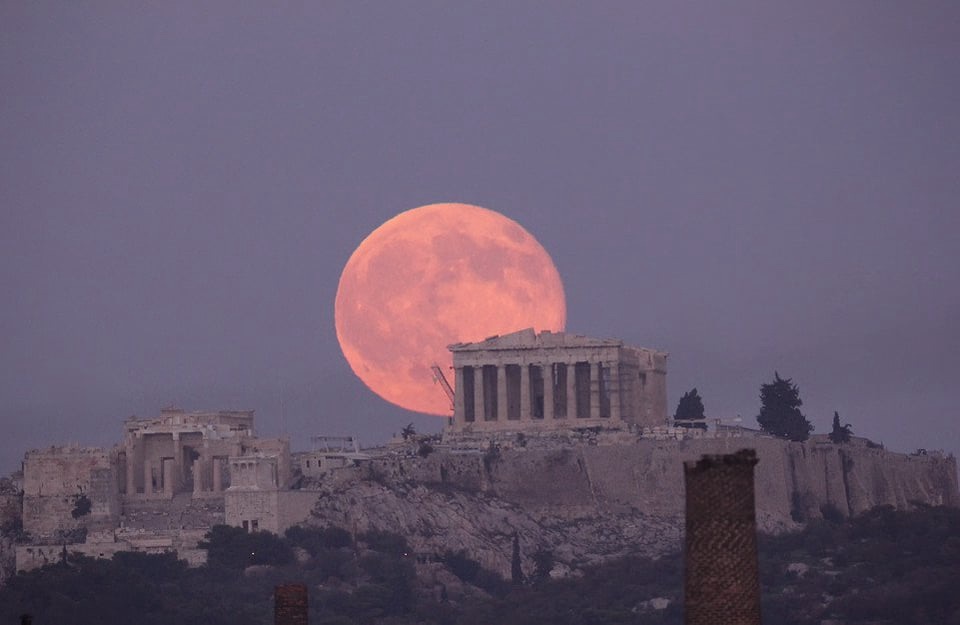
A dusky early evening left a soft glow on the Acropolis, periodically visible as I walked from the hostel toward the church. Yet, the size and warmth of the rising full moon held my attention as its blush touched the hills, for a brief while silhouetting the pillars and pediments of the Parthenon.
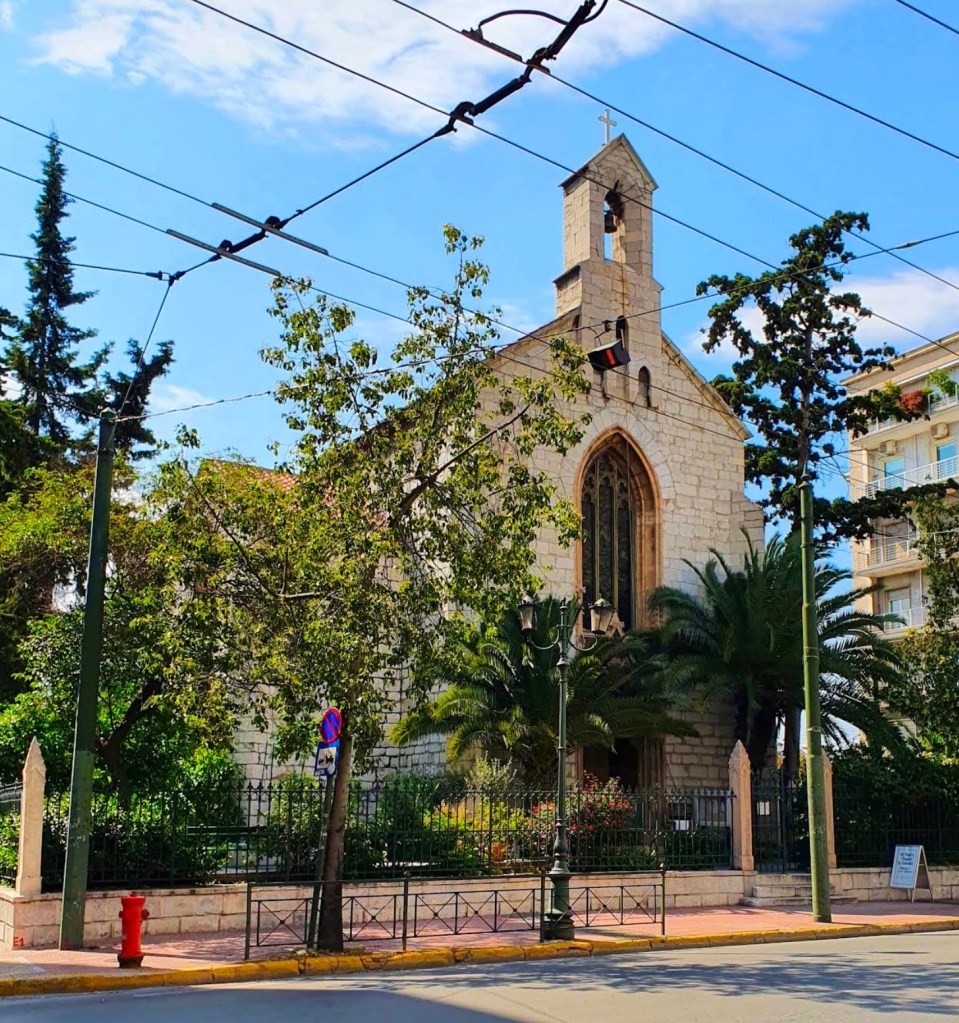
It was the evening of Holy Saturday, which fell on March 25 that year. In other years the day would have been the Feast of the Annunciation, but in 1978 it was the eve of Easter Sunday. I walked the short distance to Syntagma Square, to revisit the Anglican parish I had found that morning. Now, in the approaching darkness, I was returning to make my first confession, and be baptized at the Great Easter Vigil.
How this came to be was largely due to providential grace, for I had not traveled to Greece with this particular result in mind. I was on a college year abroad, having lived and studied in Florence during the autumn. Then, after Christmas in Germany, I traveled to England for two eight week terms of study at Oxford. My plan for the year was to focus on Art History, fulfilling in part my chosen college major.
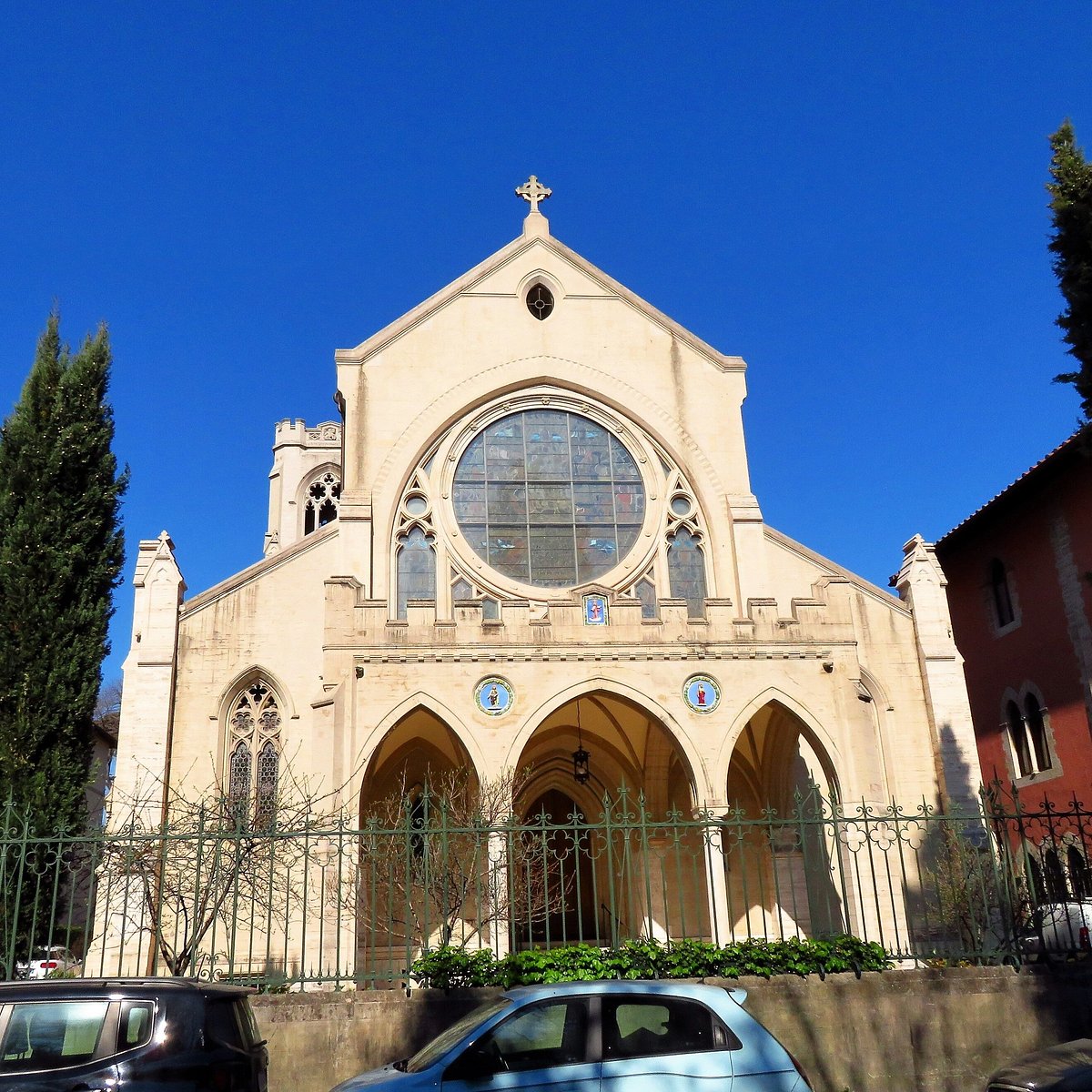
But, as in the biblical Damascus Road surprise, when first walking into the piazza around the Duomo in Florence, I experienced an unexpectedly sudden conviction: That it was time for me to surrender to the divine power I had come to recognize but had yet to affirm. Asking if there was an English-speaking congregation nearby, I was directed to St James Episcopal Church near the American Consulate. Over the next few months, and with the guidance of Fr. Edward Lee, the parish became for me a place of spiritual nurture.
The autumn course of studies for our group of visiting students in Florence was a fixed one. But my subsequent program in England allowed me the freedom to choose a personal area of focus. The exotic sounding topic of Christian Mysticism had been commended to me, and upon naming this to my Oxford program administrator, I learned that she could arrange tutorials for me with a recognized specialist in the field. What a blessing this turned out to be.
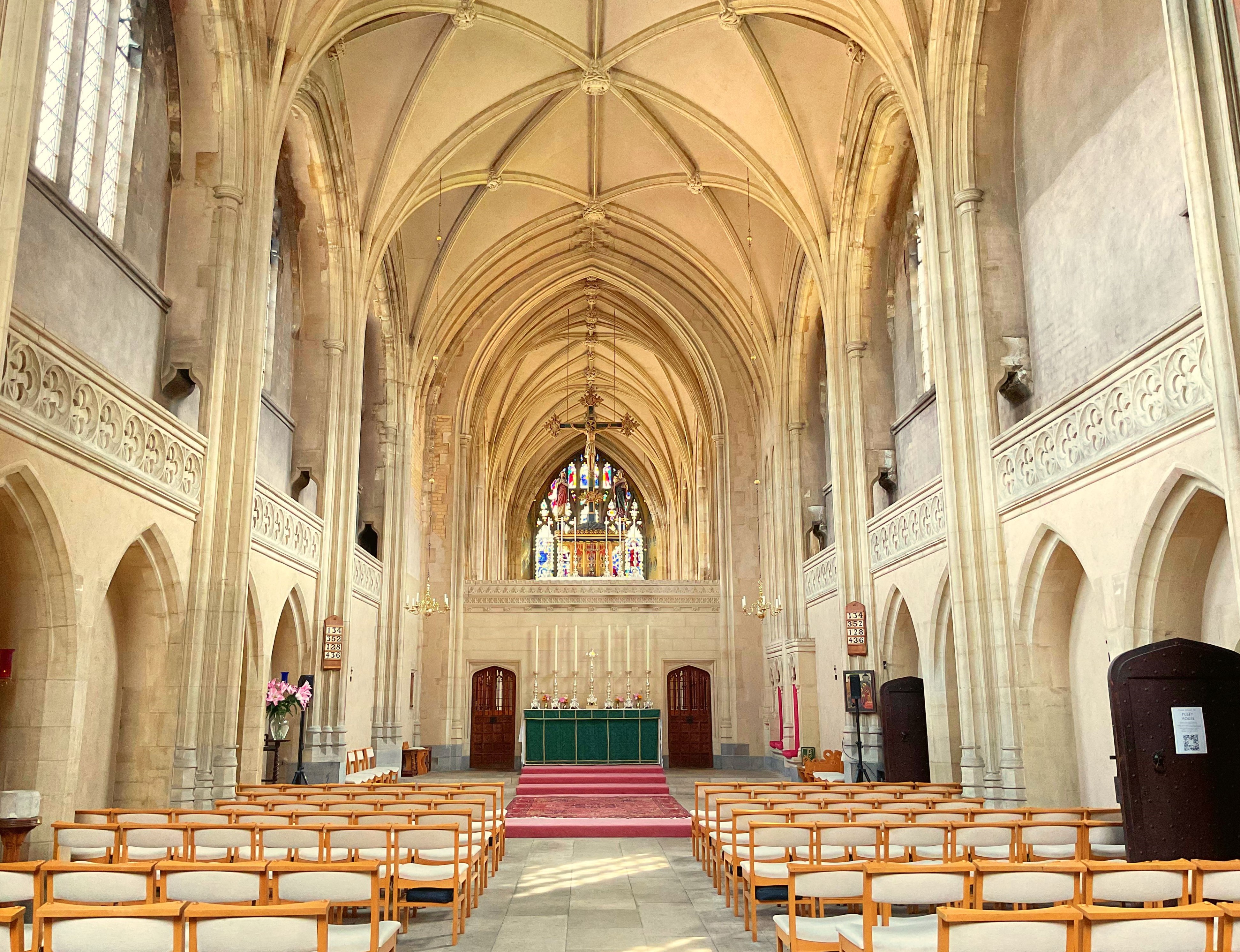
And so, during a cold and wet English winter, my catechesis in the Christian Faith was suddenly deepened. My growth was fed by readings from the early desert saints, on through to the spiritual writers of the medieval period. My study experience was complemented by a different approach to worship from what I had encountered in the liturgy at St. James Episcopal Church in Florence. By chance, I discovered Pusey House and Anglo-Catholic liturgy soon after arriving in Oxford. Passing by a notice board, I saw an announcement about an upcoming sermon focused on the spirituality of Thomas Merton, whose Seven Story Mountain autobiography I had read the year before. Fr. Cheslyn Jones, the Chaplain at Pusey and a specialist in the Greek New Testament, along with the history of liturgy and spirituality, became my next catechist.
At the end of the Hilary (or winter) Term, I made the kind of plans many American students undertake hoping for spring warmth: To head as far south as cheaply possible, for what in my case would be a six week break before the Trinity Term.
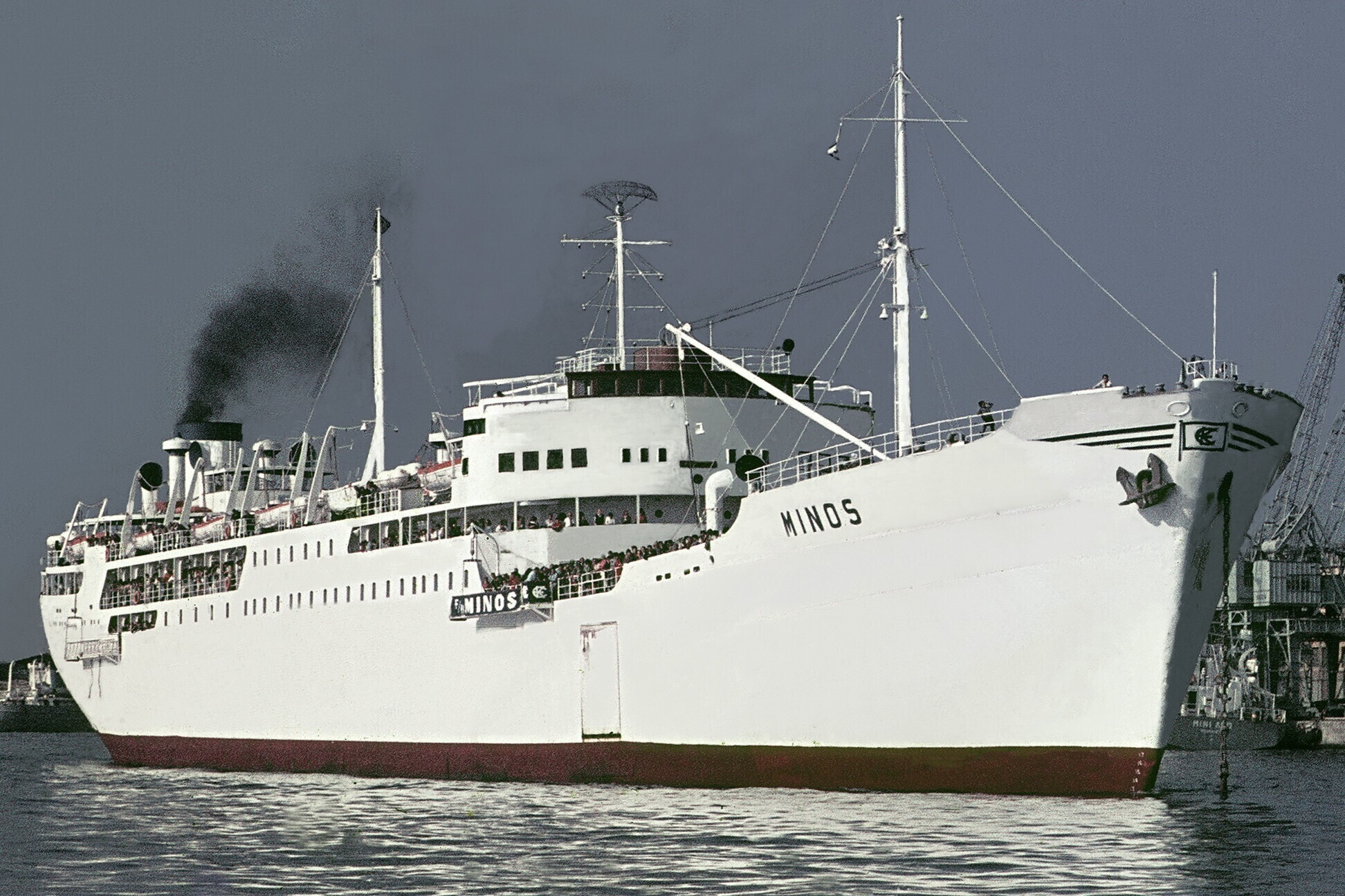
I found a used tent and some economical camping supplies in local shops in Oxford, and located a round-trip bus ticket from London to Athens, offered by a discount travel bureau. This led to a remarkable pair of journeys to and from the continent, crossing between Dover and Ostend, through Belgium, Germany, Austria, and Yugoslavia, before finally arriving in Greece. Deposited on an Athenian curbside on an early afternoon, I found a local bus to the port of Piraeus. There I arranged for an overnight passage to Crete on a vintage island cargo and passenger ferry. The next morning, I bought a bus ticket to the south coast of Crete, going to a place a friend had recommended, the little seaside town of Ierapetra, near where St. Paul’s ship had sailed off the coast (Acts 27). Aside from my basic gear, I had brought along only a New Testament and a book of the sayings of the Desert Fathers for my Lenten reading. My plan to do a lot of fasting for spiritual reasons fit neatly with my need for economy.
My first couple of nights were spent in a farmer’s field, above the town and seaside. I awoke one of those mornings to a rapping on the tent pole that alarmed me, sensitive to a probable complaint about my trespassing. Instead, there was a kind man, his arms folded across his chest, cradling fresh tomatoes and cucumbers. I was very touched.
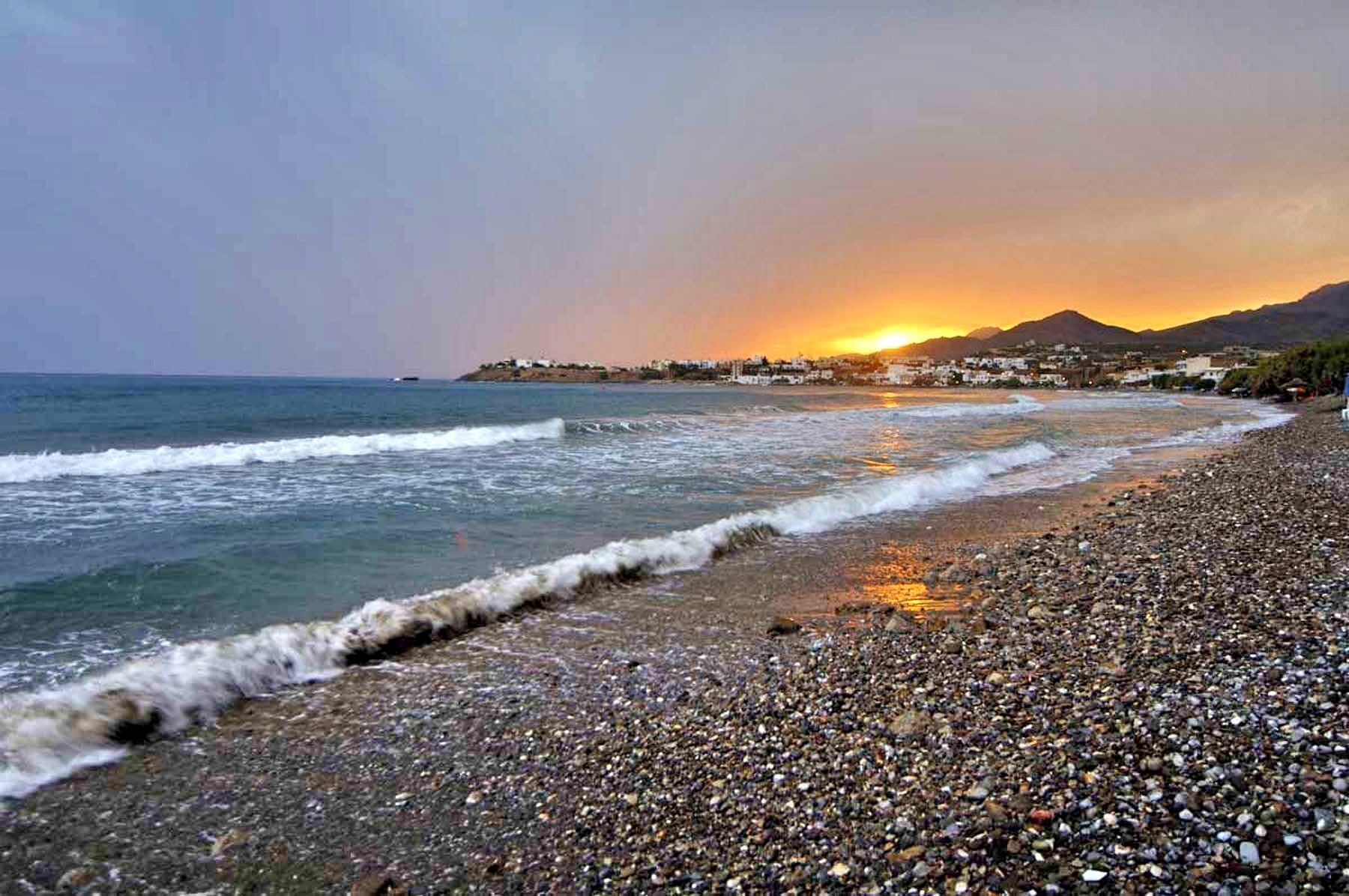
After a few days I relocated my tent to an area just above the pebbled beach, adjacent to the long shore upon which I would daily walk to the town. There I would buy a loaf of hearty brown bread, some cheese and sausage meat, as well as more tomatoes and cucumbers. These became the staples of my diet for about 5 weeks.
With just a couple of weeks to go before my return journey to England, a friend from our study program found me on Crete. He was conflicted and wrestling with a need to fly back to the States to be reconciled with his father. After a day or two, he resolved to act on his intuition, and departed on his long journey home.
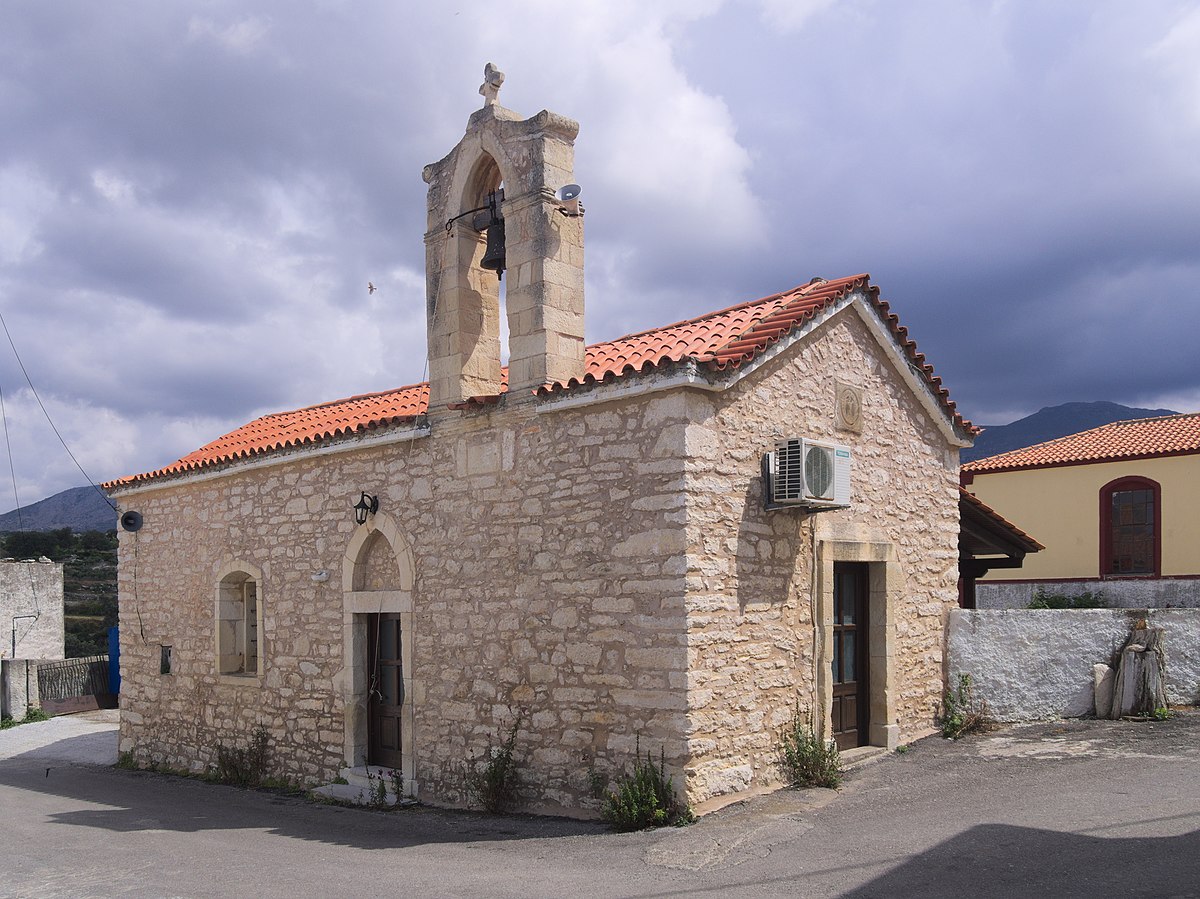
Musing about his decision, I realized that I was moving toward a similar resolve, but that in my case it was a need to be reconciled with our spiritual Father. I was still fuzzy about what this might mean in concrete terms, but awoke the next morning with greater clarity. I walked into town to pray in a small Greek Orthodox church when I realized what I needed to do. That was to go back to Athens, find an English Church, and ask to be baptized. Fetching my sleeping bag from the tent and my New Testment, I booked a bus ticket back to the north shore of Crete for a return to Piraeus on the same overnight ship. It was then I learned that it was Good Friday.
Holy Saturday morning, the bus from Piraeus dropped me at Syntagma Square in central Athens where – very conveniently – I found St Paul’s Anglican Church. Reading the church sign with its parish notices, I learned the name of the priest, Fr. Jeremy Peake, and his telephone number. Taking the risk of calling him early on Holy Saturday morning, I surprised him with an unanticipated but what I hoped would be a welcome request: I wished to be baptized. In a wonderfully understated British way, he responded by saying, “Perhaps we should talk about that!” He then invited me to come by for coffee. When I shared with him about my months of study, and with whom I had been receiving instruction in the Christian Faith, he was reassured. Warmly, he invited me to come early to the church that evening to make my first confession, and receive Baptism at the Great Easter Vigil.
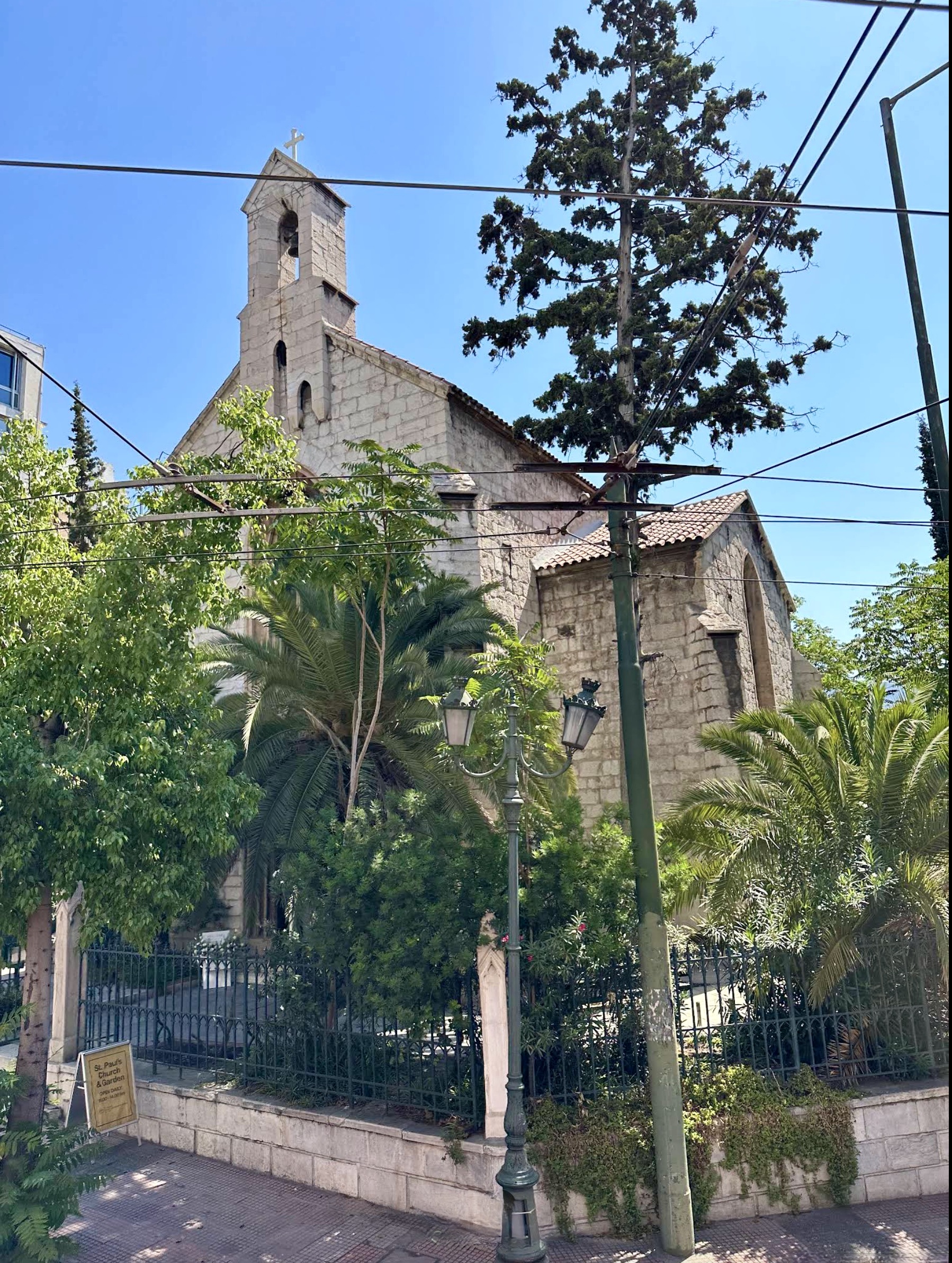
The liturgy began in the darkened forecourt of the parish church, just off a main boulevard in central Athens. Amidst the busy sounds of the city around us, we gathered in silence to light the new fire with which the liturgy begins. Being my first experience of the Vigil, I was quite moved by the sequence of readings, starting with the Creation, through the Fall and the Flood, the Exodus and entrance into the Promised Land, with stories of God’s covenantal grace being extended and renewed again and again. When I was then baptized, I felt like I was on fire, an overwhelming experience of cleansing embrace and transformation. I received communion as a new member of the Body of Christ, and left the liturgy feeling like I was several feet off the ground.
On Sunday morning following the Eucharist I was invited to lunch by the kind couple who had agreed to be my sponsors for Baptism. During that wonderful meal, they explained a practice with which I was unfamiliar: Easter eggs all colored dark red, recalling a wonderful Eastertide legend associated with Mary Magdalene.
After a further week in my tent near Ierapetra, I returned to Oxford for another term of formation in the history of Christian spiritual theology. At the end of the term, I received the sacrament of Confirmation through the hands of a suffragan bishop of Winchester, at Pusey House on Pentecost Sunday.
My experience of what now seems to have been a magical series of months, forty eight years ago, comes back to me every Easter. Especially when the Feast of the Annunciation on March 25 happens to occur near Holy Week, as it did this year.
Additional note: Readers interested in the legend about St. Mary Magdalen and the red egg might like to read my earlier post on this topic, which may be found here. A further reflection of the impact of the story I share here can be seen in the opening chapter and the thematic structure of my book, Ethics After Easter.




 Toward Beauty