life

Finding Identity in Who We Are Becoming

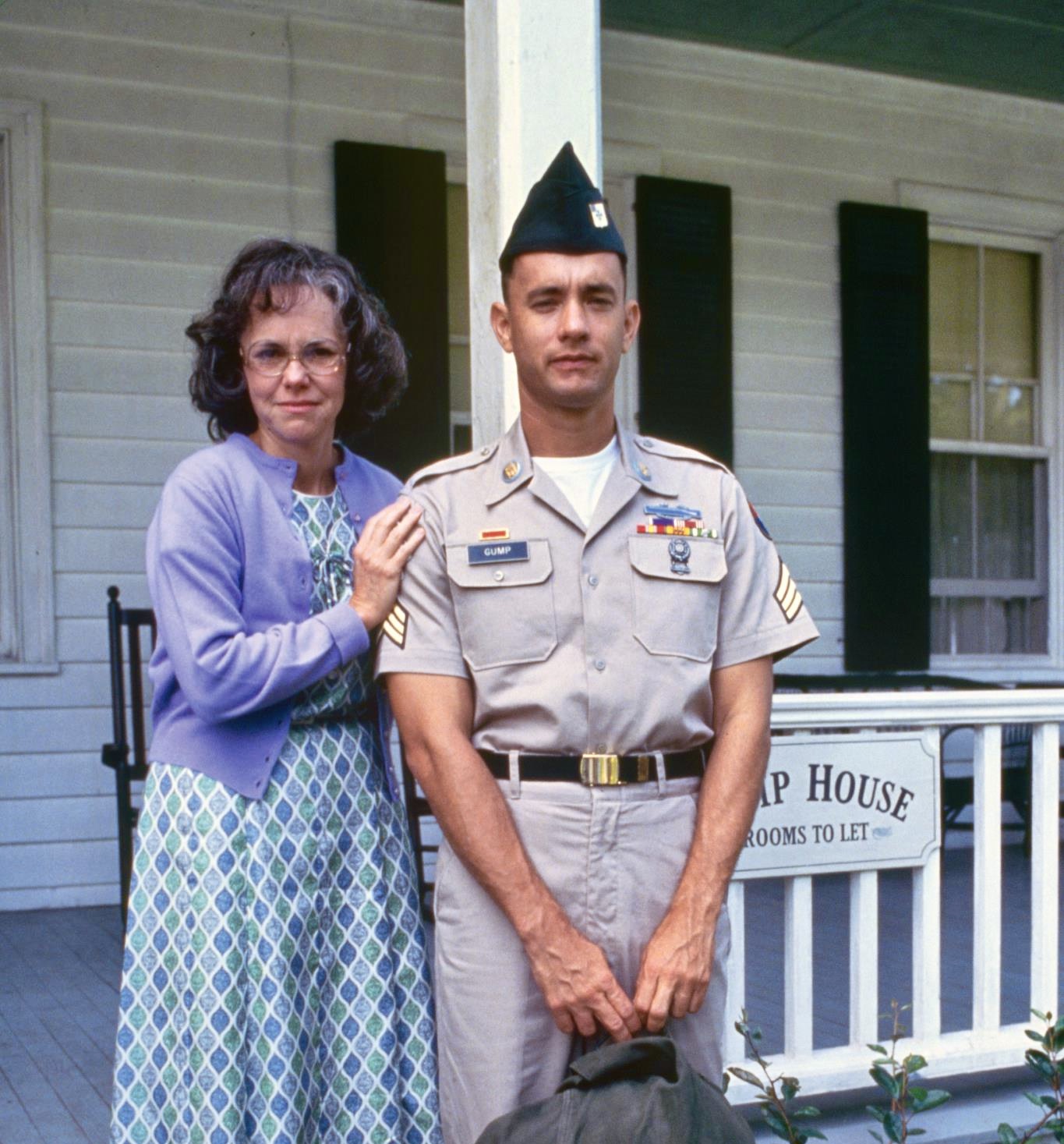
A promotional photo for Forrest Gump, a film exploring destiny and chance in relation to personal identity as people move through their lives

We are simultaneously two things that may seem to be in tension: We are who we are and have been, and, we are who we are becoming. The paradoxical conjunction between these statements challenges a prevalent social assumption, that personal identity is in some ways fixed.

Another observation to consider: We can no longer be who we were, years ago, nor who we thought we might someday become. For we are no longer who we were then, and surely not the person who we thought we might want to be as we matured.

But who we are now is the person we are becoming.

A trustworthy maxim from my field of ethics provides a reliable insight: practice shapes character. And character shapes practice. What we do shapes who we are (and who we are becoming), just as who we are shapes what we are likely to do. And a good definition of character is “a disposition to act in particular ways.” Our character is shaped by what we do, and what we do continues to shape our character.
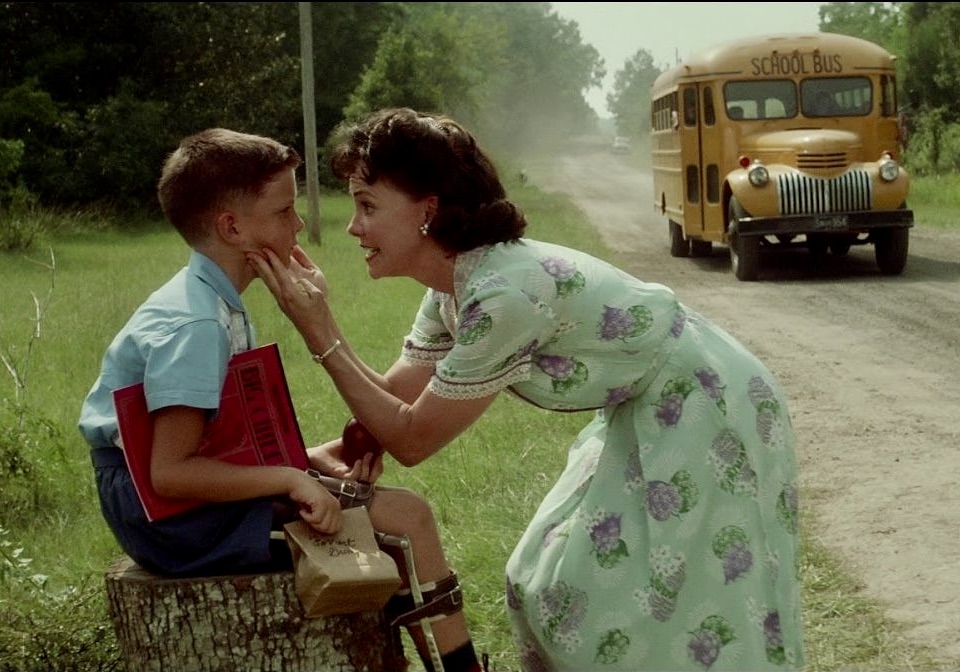
Sally Fields and a youth playing the roles of Forrest Gump and his mama

Or, as Forrest Gump’s mama famously said, “Stupid is as stupid does.”

Whatever truth may be found in another old saying (“character is destiny”), who we are becoming is not in some way predetermined. We are in large part shapers of ourselves, even while we may feel like we are being shaped by events and or by other people. Yet, from the Beginning, God has been the Great Shaper of all things, even of us. As our Redeemer, through Baptism, God changes us and gives us a new life centered on the graced possibility of redemptive transformation.

In formal terms, the ideas I am exploring here involve dialectical relationships, such as we find between act and character, and between us and others. In these relationships, there is always a two-way, dynamic process of interaction between these various entities, whether we are speaking of God, ourselves, others, and or the circumstances in which we find ourselves.

Within all this, we experience a lifelong quest for a better sense of our identity. It is too easy, though often tempting, to try and resolve this quest in terms of external factors, such as who we imagine ourselves to be in the eyes and thoughts of other people. To be directed in our ideas and actions by what we think may be expected of us, or by what other people hope for us, usually comes at the expense of the influence of the Great Shaper, the One who reveals to us our true meaning and the purpose of our life journeys. Our primary dialectical relationship is with our Creator and Redeemer, our grounding guide for who we are meant to be, and become.

For these reasons, it is good to resist the typical kinds of “I am… “ statements so current in popular culture – statements like “I am a Democrat, or a Republican,” or “I am an introvert, or an extrovert.” A more helpful kind of self-definition springs from statements based on what we tend to do. For example, instead of the prior statements, it would help us to say things like, “I tend to vote in the following ways…,” or “I tend to respond to social situations by preferring to…” Consistent with these views, I resist self-definition in similar “I am” terms when it comes to how I measure when using Myers-Briggs related personal inventory instruments. This is, in part, because of their foundation upon Jungian thought, which anticipates how we as human beings have the opportunity to grow and change over time, especially in the direction of our ‘shadow’ strengths or areas of challenge.

I continue to value an insight offered by a former teaching colleague. In a conference he once said, “People don’t actually ‘learn from experience;’ they learn from reflecting on experience.” We experience and do things; we reflect on both, and we learn as we continue to think about what we encounter, and choose to do.” In the process, we are becoming who we are now.

Who am I becoming in relation to what I am doing now? This is a helpful Lenten question in light of our preparation for Easter living.

Reflections Inspired by Tiny Houses

A 14′ Tiny House inspired by Japanese Aesthetics (from the Baluchan website)

As earlier posts of mine attest, I have been interested for some time in the Tiny House movement, which has now become a widespread phenomenon. Whole Tiny House communities are being developed, and Tiny House construction designs have been proposed as an alternative approach to addressing homelessness. Reflecting on this movement, and the broad appeal examples of Tiny Houses seem to have, I have given some thought to what this development in small scale architecture may represent, and to what it may tell us about how we want to live.

I can see an impulse similar to the pursuit and enjoyment of living in a Tiny House in some attractive parallels, which also represent a quest for discerning a simpler way to live. Quite aside from a specific focus on contemporary examples of Tiny Houses, many people appear to have an interest in reading books like Thoreau’s Walden, or those by John Muir. I continue to meet folks who like the idea of having a small boat in which one can actually ’cruise,’ even on local lakes. And still others seem to share my fascination with living environments inspired by Japanese aesthetics.

An interior shot of the Baluchan Bonzai 14′ Tiny House

If these musings seem familiar, learning more about the Tiny House movement is worth pursuing. Here are some observations I have made in the course of my own reflections on the current popularity of this movement: 

First, the appeal of Tiny Houses has much to do with the process of rediscovering, and learning more about the beauty of living simply. And therefore, about more than managing to accept being without some things, but actually doing well with less. Marie Kondo’s videos and published writing have attracted a good deal of attention regarding the desirability of organizing our household belongings, and paring down what we have toward living with what we truly love.

Viewing and reflecting on examples of Tiny Houses can aid one’s discernment regarding needs vs wants. Most of us have probably considered this distinction from time to time, and have likely also experienced some frustration with our halting efforts to enact our reflection upon it. We know we have wants, which often masquerade as needs, while we may not sufficiently consider the potential value to us of having wants that are correlated with our needs. After all, a premise of this post rests on a paradox: the assumption that I not only want to live more simply, but that I may also need to!

The kitchen space between the bathroom and the small main living area

Here, briefly noted, are some potential benefits that may come from spending time in a Tiny House:

  • Living off the grid becomes a much more realistic goal when choosing to live in a Tiny House. Tiny Houses also allow for mobility in relation to one’s surroundings, even if it is not a frequently exercised opportunity. Changes in one’s locale can lead to learning opportunities.
  • Those who build their own or who choose to do maintenance work on a Tiny House are more likely to learn how to use, and use more ably, simple and hand-powered tools.
  • Tiny Houses are well suited as places in which we can experience solitude as a positive aspect of our lives, while also providing an excellent context for significant times spent with others. 
  • Living or spending time in a Tiny House may allow us to have increased time for personal reflection, and an opportunity further to discern our vocation, in addition to our more usual absorption with occupational concerns.
  • Tiny Houses therefore have the potential to be places in which we read more, and spend less time consuming social media or watching videos. While every living place for which we have some care requires time and attention, the theory behind choosing a Tiny House as a place to live assumes that we can devote more time to actually living, rather than preparing to live. Reading makes the world bigger and our lives richer.

For much of the above, and as a bothand rather than an either/or starting point, I commend considering adding a form of a ‘Tiny House’ to your present circumstances rather than making a radical change from them. Experimenting with what can be done with less, while also still retaining one’s present home, can be instructive. This can be accomplished by, for example, purchasing a used but well-equipped small RV. We have recently seen some interesting examples on the road, and ones that could fit in a standard home garage.

For us, it has been our 1988 24 ft trailerable sailboat that has provided this kind of learning opportunity. With its relatively small cabin (about half the length of the boat), comfortable berths (or bunks), a camping stove, cooler, portable toilet, and cockpit which serves as a small ‘back porch,’ we can meet most of our daily needs for a week or more at a time. The slip for our boat is under $200/ month, including electricity and water connections, if needed (ie, if the boat is not yet off-the-grid-ready, though our boat is now thus equipped). DAYSTAR has become our floating ‘tiny house’ or ‘cottage.’

Ably and effectively inhabiting this principle of beautiful simplicity is turning out to be a lifelong project for me, and I believe this is also true for others. I am a neophyte in the process. Perhaps my readers have some similar experience with this ongoing process!