“To thine own self be true.” This familiar adage is now known to many people through their experience with 12-Step Recovery programs. Yet the phrase is traced back to its appearance in a play by Shakespeare, and hearkens back to a simple statement attributed to Plato from the pre-Christian Classical period, “Know thyself.” One way to understand being true to ourselves involves living toward spiritual wellness and in an ethical manner. If these pursuits are of value to us, we may be open to receiving counsel about how we can be truthful, and good in our conduct, even if we are not comfortable with the degree of our adherence to these ideals. But to be beautiful?
Here, modern translations of the New Testament may provide a benefit to our thinking about questions like these. In our contemporary sensitivity to employing gender-neutral and inclusive language, sayings from the lips of Jesus or in the Letters of Paul are often cast in plural language. The potential benefit to us may lie in the encouragement we can receive to think in corporate or in community-minded terms.
We often need to remind ourselves to think about our lives with a wider frame of reference, for we are so much more than individuals with only chosen or willed connections and relationships with others. We will be truer to the message of Jesus and the teaching of the New Testament when we are equally attentive to our membership in the Body of Christ, the Church, within the Communion of Saints. Our baptismal identity is shaped fundamentally not by what we do, but by our grace-enabled incorporation within the community of the Risen Lord.
In other words, we can learn to receive and follow gladly the advice that we be true to ourselves when we do so as members of the Body of Christ. We can then see ourselves in more expansive terms than those based merely upon our physical birth identity as unique individuals, our social status, or upon our achievements.
One way to understand Jesus’ use of the mysterious phrase, the Son of Man, is to see this title in terms of the transformed personhood we apprehend in the Risen Lord. As such, he embodies for us the ‘true’ and fully redeemed human person and therefore the full goodness of human being. If so, the Risen Christ also embodies for us the fully realized beauty of both created and also redeemed human personhood. In him we find our new baptismal identity in communion fellowship with one another, which is the distinctive characteristic of participation in the Risen Body of Christ. We are, in Christ, people living together into the beauty of his Resurrection.
Here is the challenge that arises with disciplining ourselves to think in these corporate and communal terms. In the culture in which we live and raise our children and grandchildren, beauty for us is most commonly thought of in visible, physiological terms. Perhaps encouraged by the advertising and media to which we are contstantly subjected, we pursue pharmaceutical products, health and exercise regimens, and even plastic surgery. We do so in search of achieving outward beauty of a kind communicated to us by others as a goal we need to seek.
We then lose sight of inward beauty, the beauty we can attain as persons who mature, become wiser, and more generous in our viewpoints. I have previously written about Sister Wendy Beckett, who I have described as one of the most beautiful persons I have come to know through my reading and media viewing. Outwardly, it must be admitted, Sister Wendy was not the kind of person whose countenance would be featured on magazine covers as an exemplar of physical beauty. Our view of what it means to be fully human is diminished if we do not also see how she, over her long years of life as a solitary devoted to prayer, became one whose face and physical presence radiated the beauty of the Risen Lord.
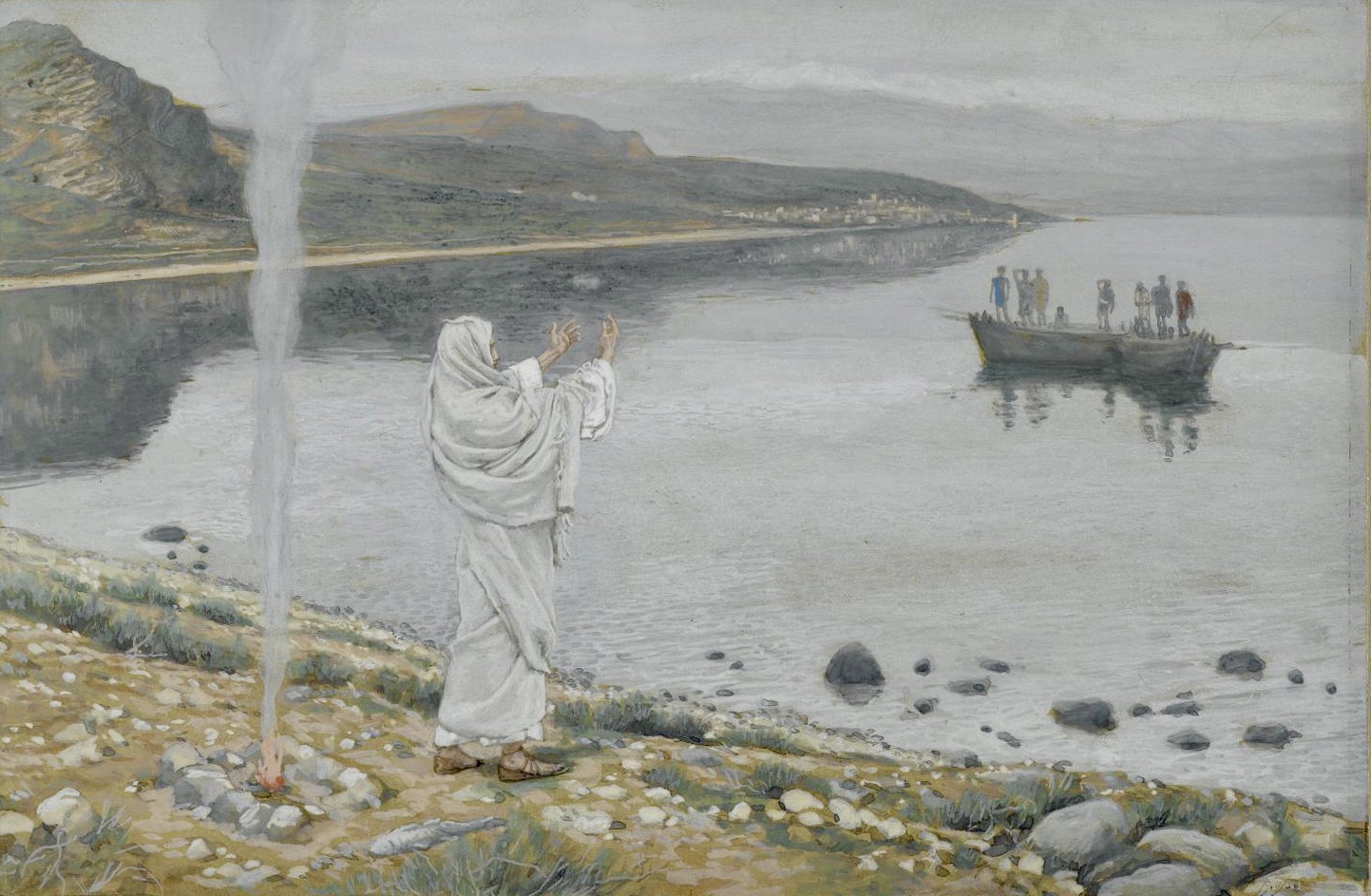
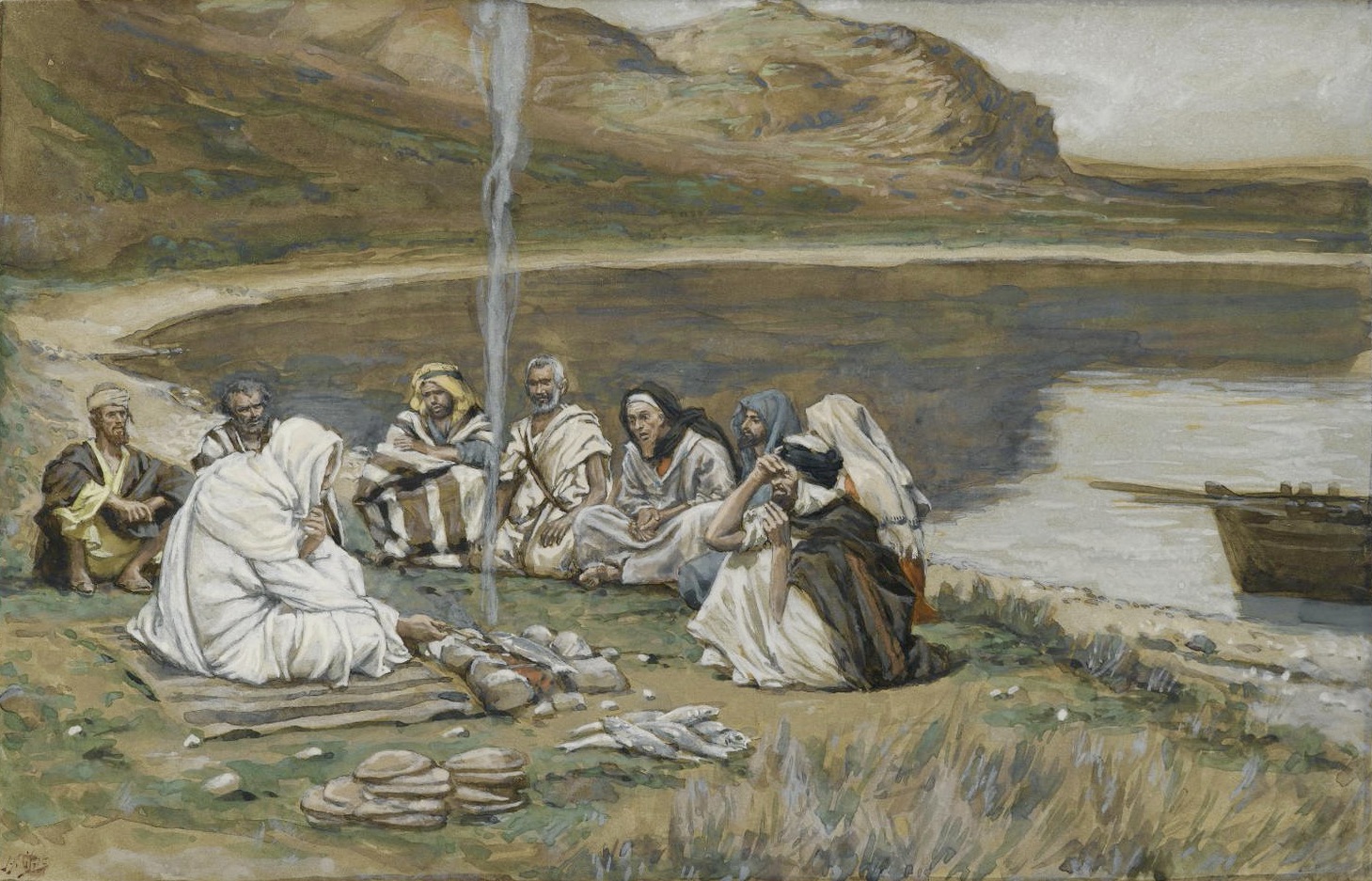
In this Eastertide, we hear stories from the Gospels that are echoed in passages from Acts of the appearances of the Risen Jesus, returning to his first followers. He came into their presence, encouraging and strengthening them for mission as witnesses to his realization of God’s hopes and plans for all people, for we all are God’s beloved. By grace, we are among those who have been embraced by this mission, as are those who have yet to hear and receive the hope of the Gospel. Too quickly, we assume that in the lives of hearers and readers of these stories the appropriate fruit of these appearances will be manifest primarily in truthful speaking and admirable conduct. As a result, we neglect to imagine how these stories also encourage us to embody the Beauty of the Risen Lord.
“He is Risen! The Lord is Risen, indeed!” These are wonderful phrases for us to repeat, and take to heart in this season of the Great Fifty Days. We can find in these words their intended corollary: For us who are baptised, ‘we are risen’! We are risen, indeed, and called to live into the Way, the Truth, and the beautiful Life into which the Risen Lord has invited all people. And he has made this possible for all who might be open to receiving this wonder-filled message.

