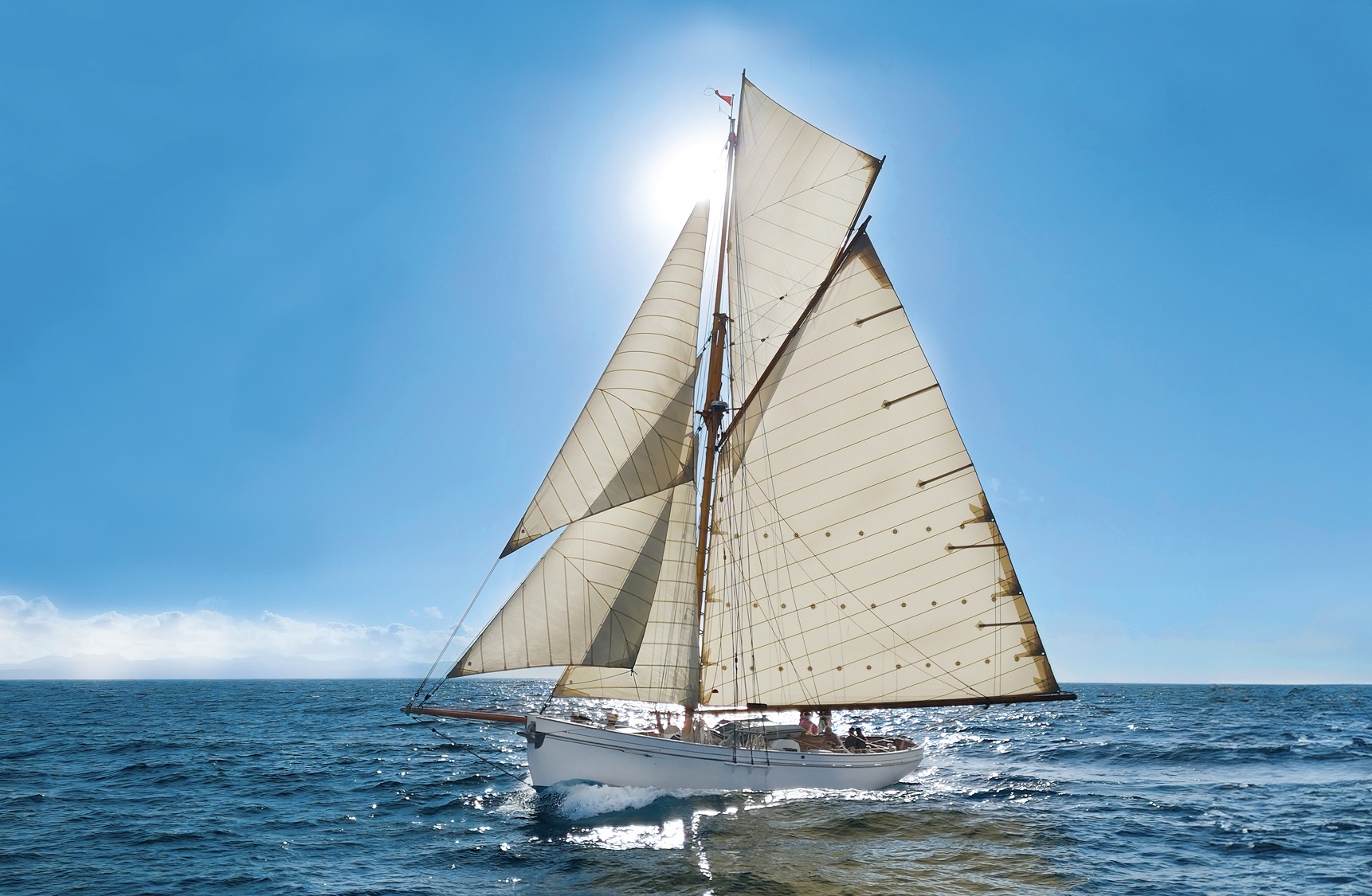
My brother, who shares my love of boats, introduced me to the YouTube video channel based on Tally Ho, a classic wooden sailboat rebuilt by a young man named Leo Goolden. Watching Leo’s videos led me to those made by Nicholas Verrochi, about his preservation work on the Argonaut II. Through further viewing, I found videos made by the boatwright, Barry Collins, and then Joshua Alexander’s series titled A Boat in the Woods.
Several noteworthy things connect these particular examples of folks who love boats. Most appear to be in their 30’s or younger; they have pursued restoring or re-building traditional wooden boats; and they have gravitated around or have connections with the boat community at Port Townsend, Washington. Together, they display what is perhaps the simplest definition of vocation: doing what you cannot not do. And then, applying yourself to it as fully as you can. This may be the most elemental way that we gain God-awareness in our lives.
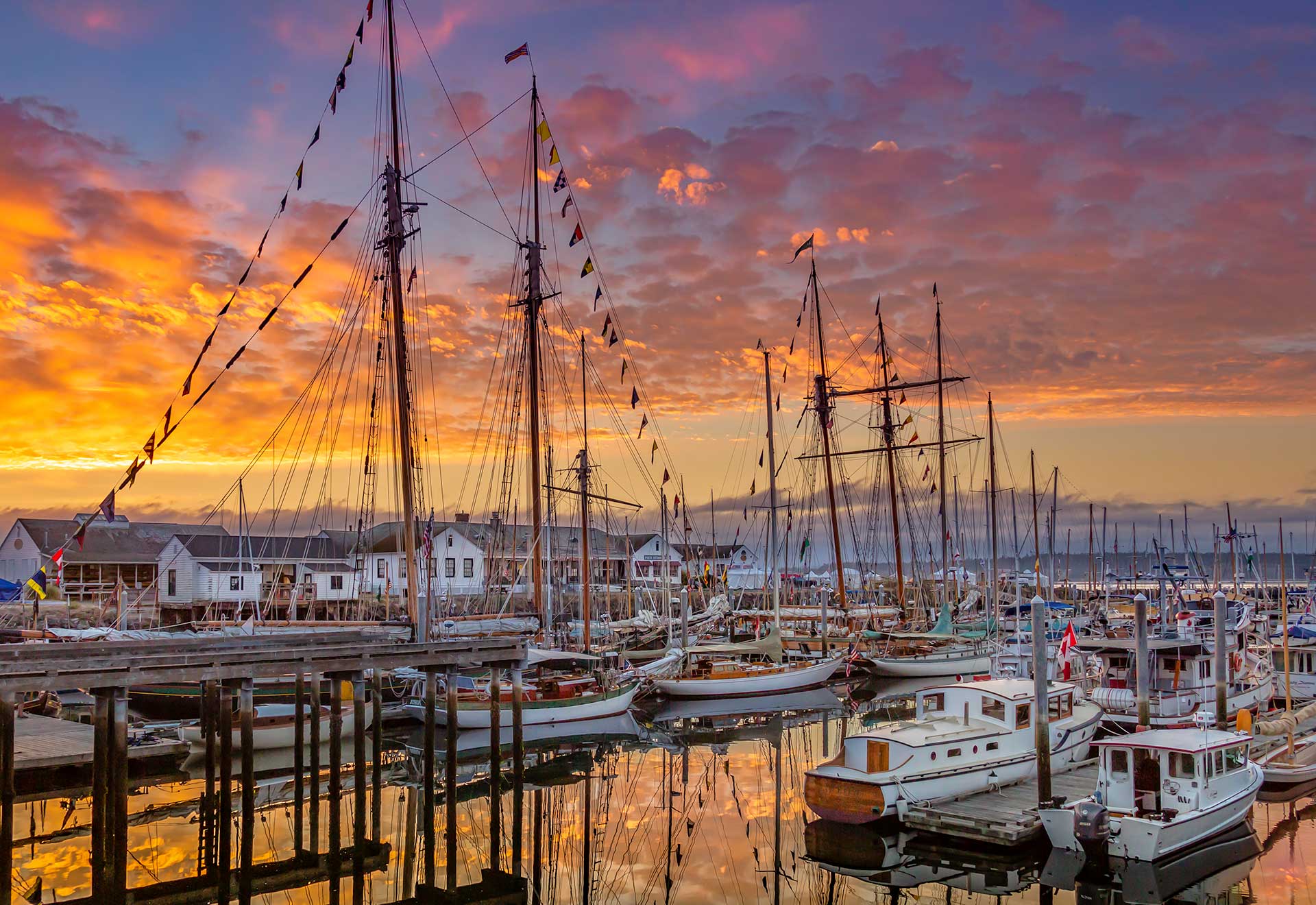
As long as there have been young dreamers and old hulls, there have been romantic attachments to wooden boats. This may especially be true in our technological era, run by electronics operating on industrial mechanisms composed of synthetic materials. The art of building wooden boats, well associated with the “age of sail,” has experienced something of a renaissance. Evidence for this includes nationally-known boatbuilding schools offering project workshops, and companies that produce wooden kits with pre-cut materials, attractive to aspiring boat builders. Wooden Boat and Small Boats Monthly are two examples of popular publications that provide knowledge about boats of this kind, as well as basic instruction concerning building techniques employing traditional tools.
There is an observable confluence of energy and enthusiasm amongst the particular group of folks I am featuring here, with their common interest in restoring examples of wooden boats, along with their shared rediscovery of fulfilling patterns of life on vessels not permanently moored in a single location. Their videos offer continuing education regarding the restoration and maintenance of old boats, as well as an introduction to facets of essential ‘boat craft.’
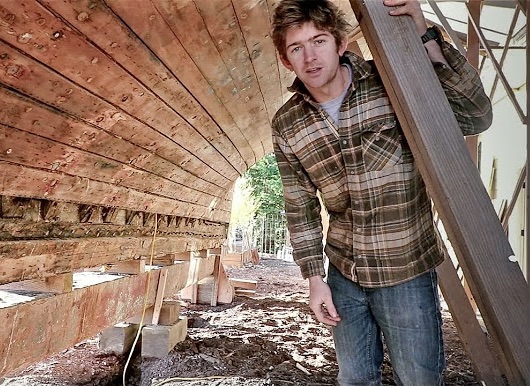
Tally Ho! Leo Goolden is a very likable young man with the skills of a master shipwright who possesses a keen eye for craftsmanship in work, materials, and ship hardware. It is impossible not to fall in love with the restored Tally Ho (launched in 1910), presently making her way into the Caribbean Sea, having transited from British Columbia. Leo’s well-filmed videos, along with their explanatory power and evocative musical selections, provide evidence of his successful fundraising. Every feature of this 48’ gaff-rigged cutter attests to the ‘quality-first’ orientation of a purist who knows what he is doing, and who is open to learning about the ‘best next options.’ Those who dream about sailing the perfect wooden boat will love following Tally Ho and her continuing adventures.
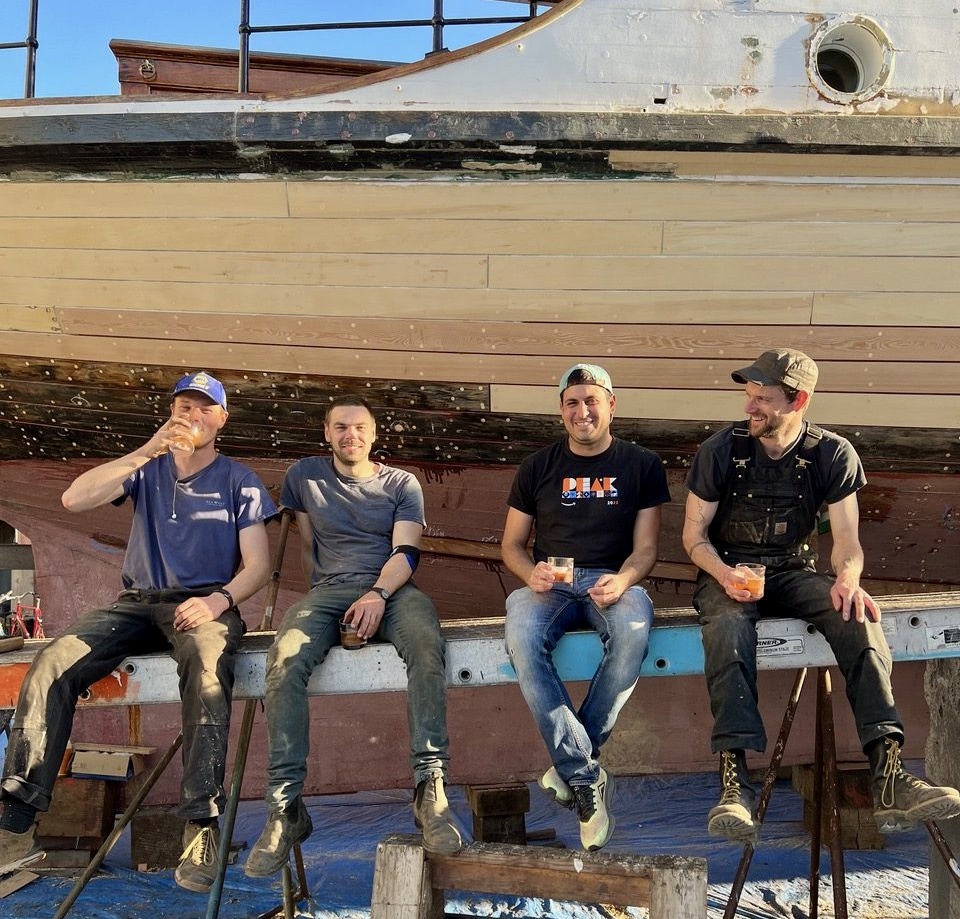
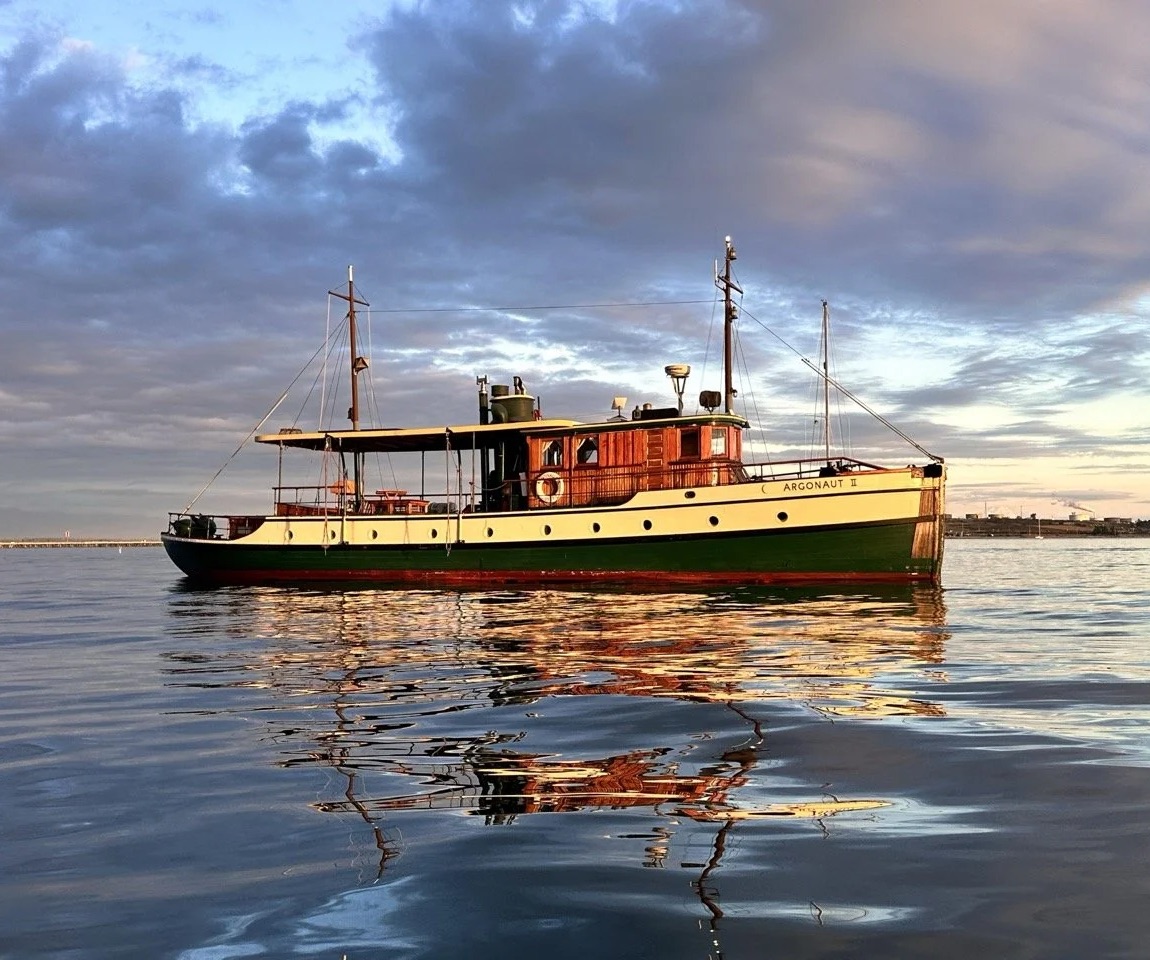
Nicholas Verrochio and a team of marine carpenters are presently rebuilding signficant portions of the hull of Argonaut II, a beautiful 73’ motor cruiser originally launched in 1922 for a lumber tycoon, and subsequently used by the United Church of Christ for decades as a floating missionary post stationed in the Georgia Straight. Nicholas has evident gifts for both hospitality and the stewardship of history, and sees his work on Argonaut II as having a mission to share discovery experiences on the water in the comfort of a historic and well-preserved yacht. Watching his videos, including those displaying the meals he prepares, inspires pleasant thoughts of chartering his boat.
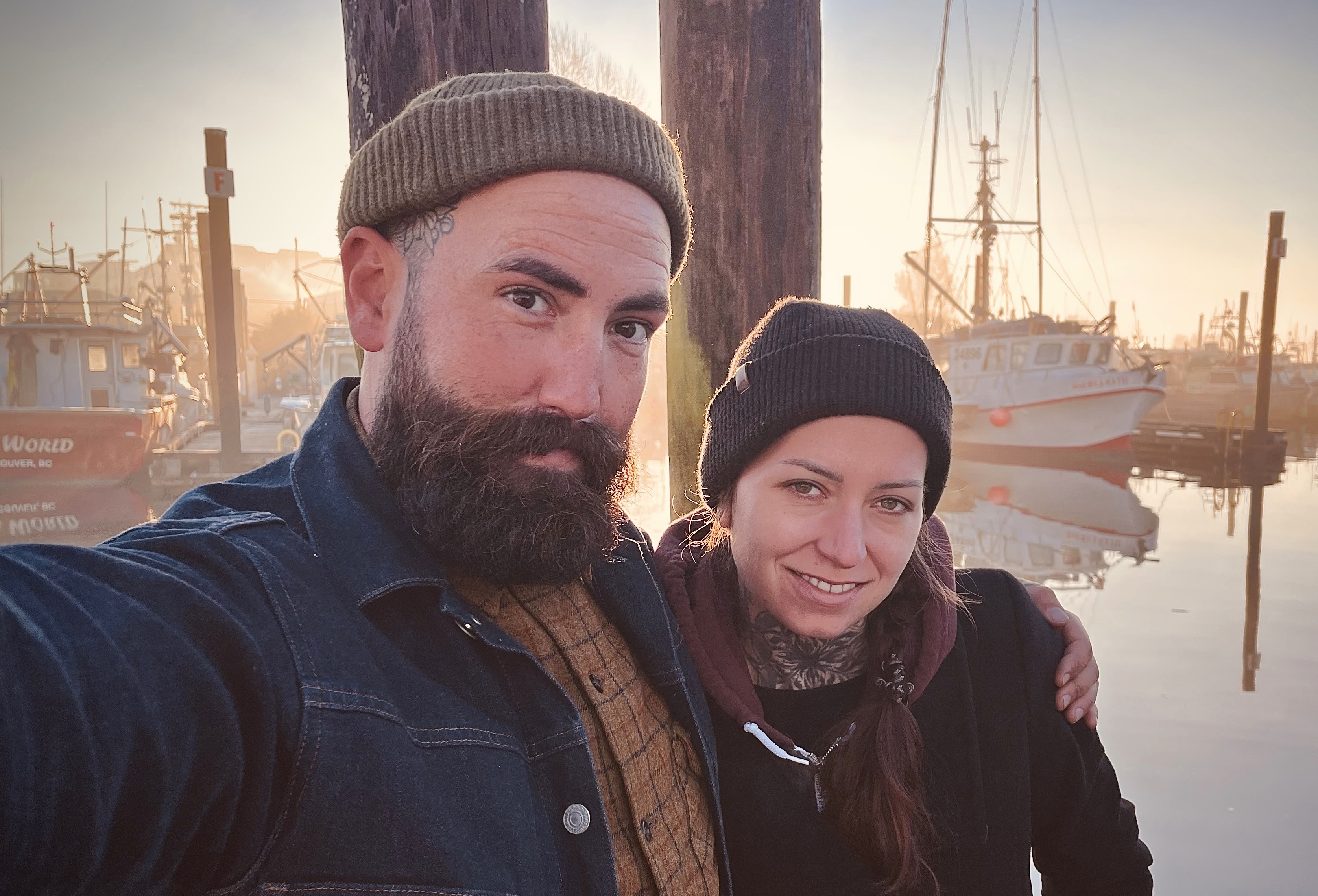
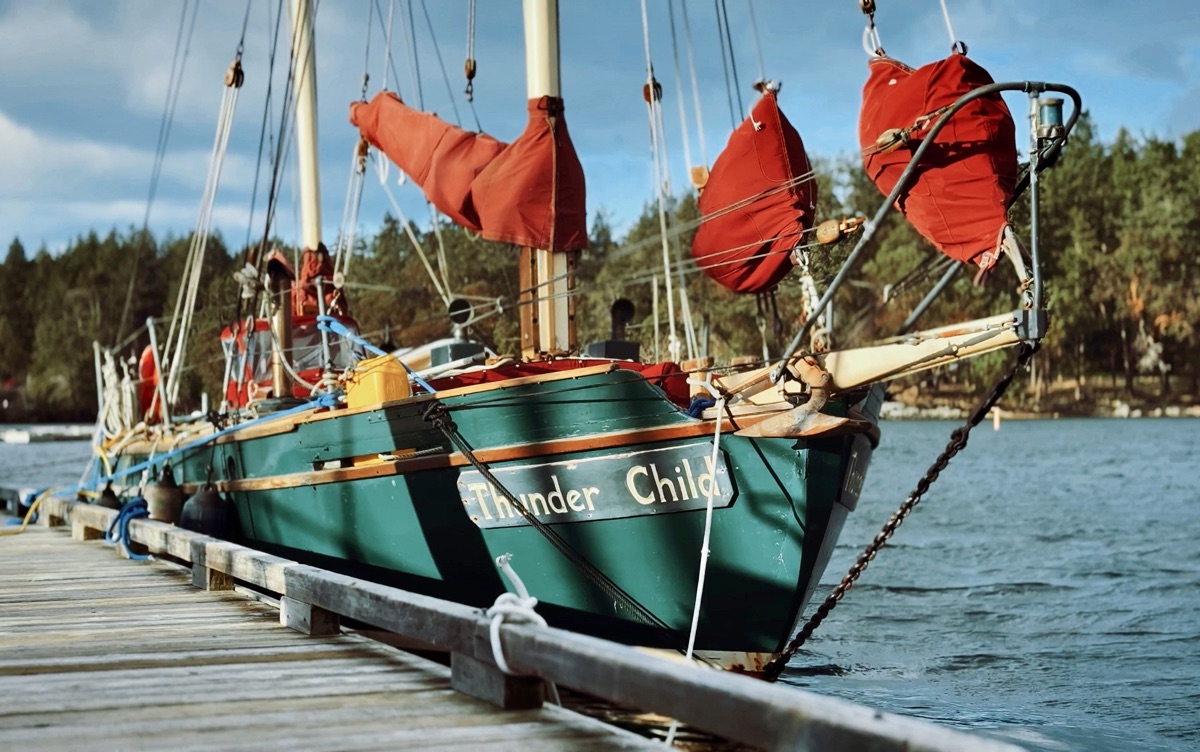
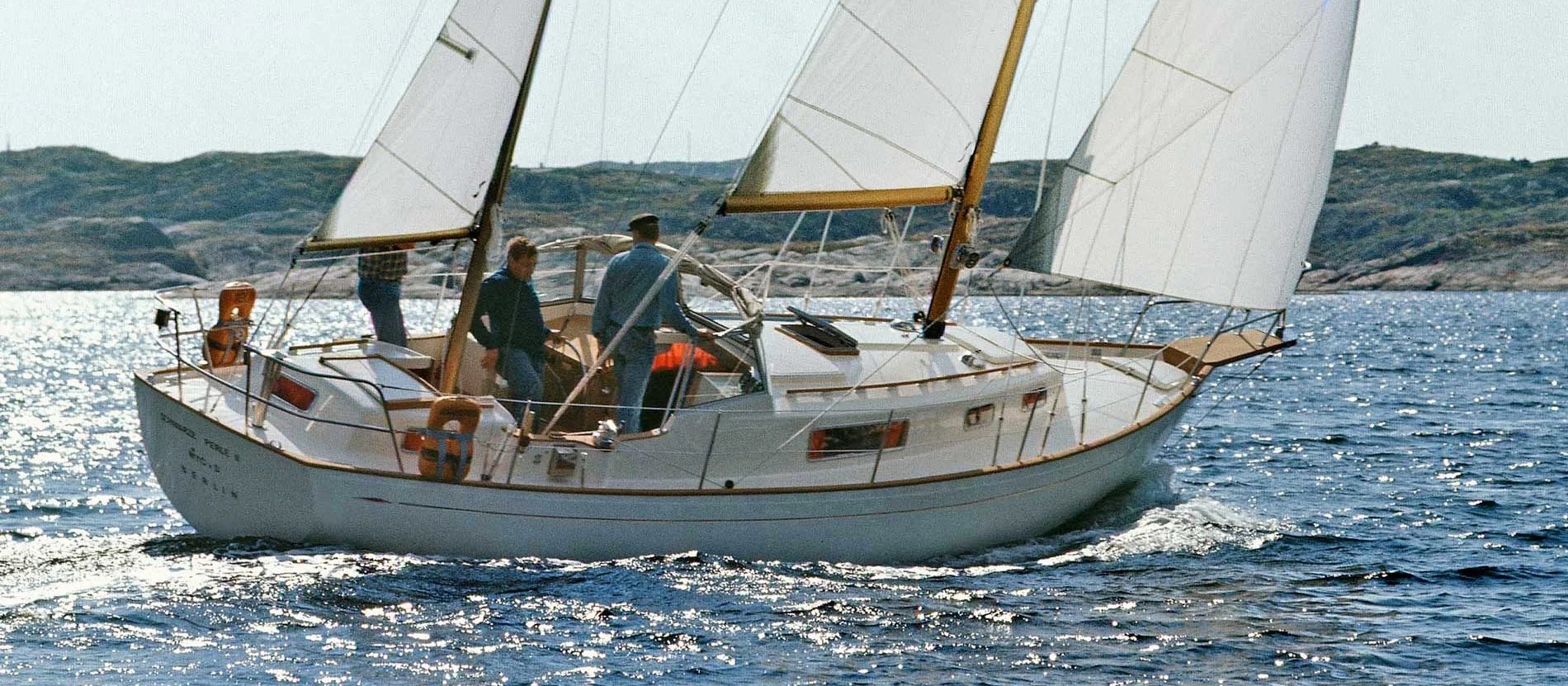
Sailor Barry’s videos tell us as much about how tending to boats has been ‘life work’ for him as it has been about being a shipwright. His path has been strongly shaped by hard work on the sea, and he seems to have a natural affinity with marine carpentry and mechanical matters. Watching him at work, we learn how his abiding application of himself to boats and woodworking have had an attractive healing power for him. He and his sailing partner, Hailly, have done wonders with transforming Thunder Child, their 1971 William Atkin 36’ gaff-rigged ketch, purchased from a couple who had owned and sailed it for 49 years.
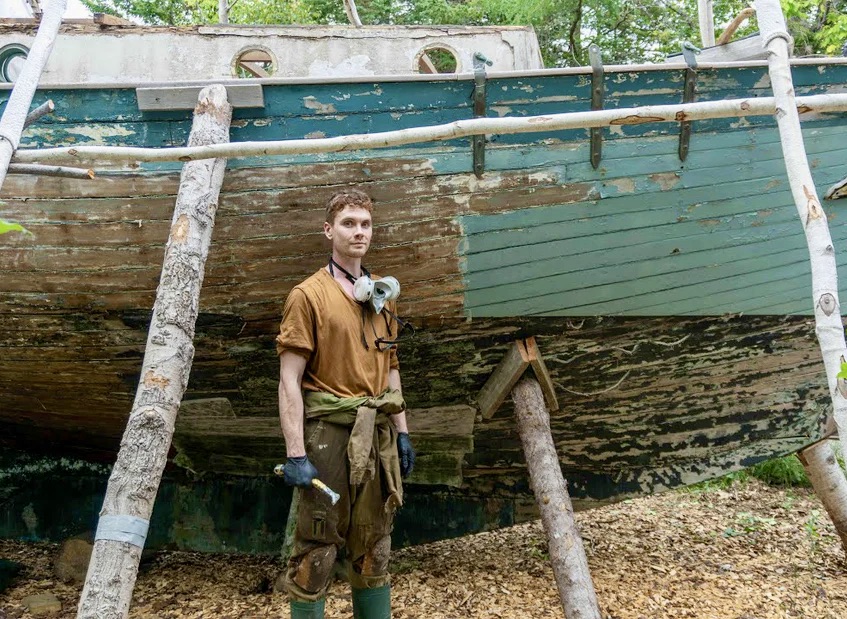
Joshua Alexander’s videos effectively document his ongoing campaign to make seaworthy a forlorn 40’ boat built in 1966 in Yokohama, Japan. He had the hulk moved to a friend’s wooded property where he built a tented structure in which to live while working on her. With very limited resources and alone except for a curious owl, he demonstrates the vision, dedication, and woodworking knowledge to see through this immense project. His droll, emotionless voice-over narration, which does not overlook his recurring setbacks, is strangely compelling, conjuring up images of a 19th century New England sea captain reincarnated as a youth in the woods of contemporary Nova Scotia. Yet, until recently, Joshua has never sailed a boat! For those who love ‘underdogs,’ Joshua and his boat present us with a paradoxical conjunction between our high hopes for him, and a project that faces immense challenges.
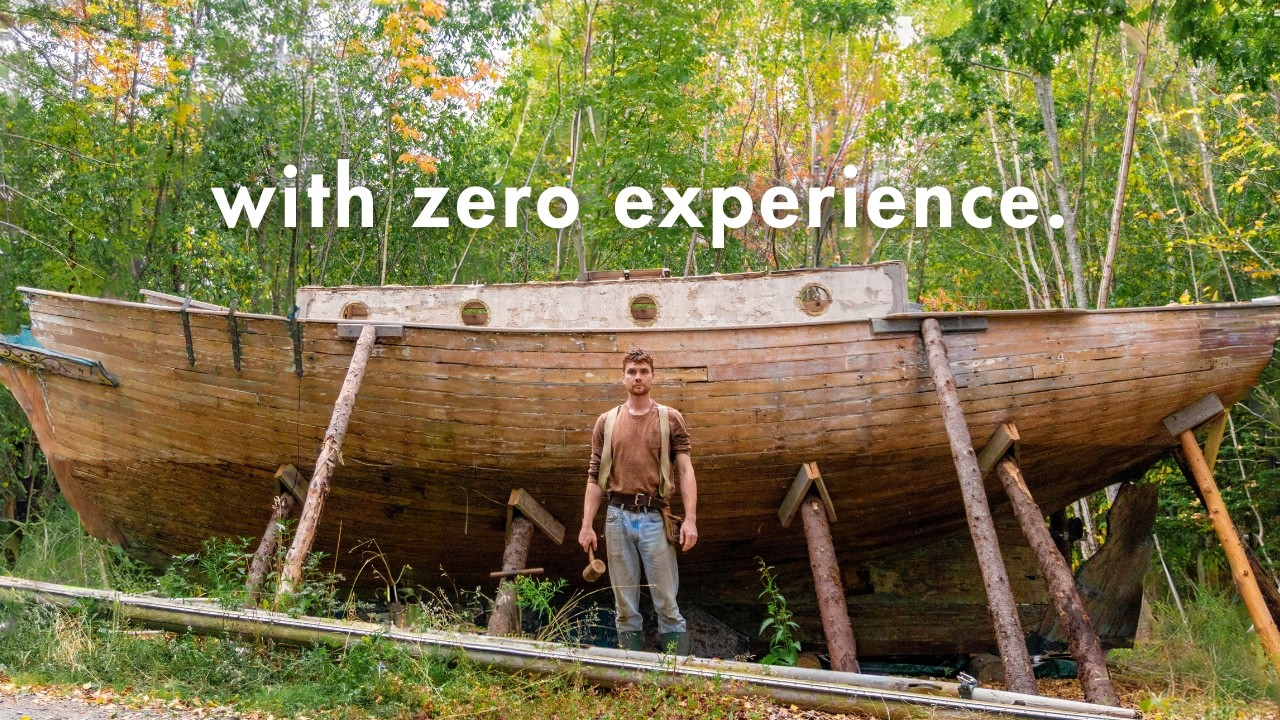
Additional Note: YouTube provides an accessible way to become more familiar with these boat builders and their projects. Their videos can be found linked to the following YouTube channel names (in the order in which I have presented them, above): Sampson Boat Co (for Tally Ho); Argonaut II; SailorBarry; and A Boat in the Woods.









 Toward Beauty