Ships

M/S Juno: A Floating Beauty

If reading this by email, please tap the title at the top to open your browser for the best experience. Then, clicking individual pictures will reveal higher resolution images.

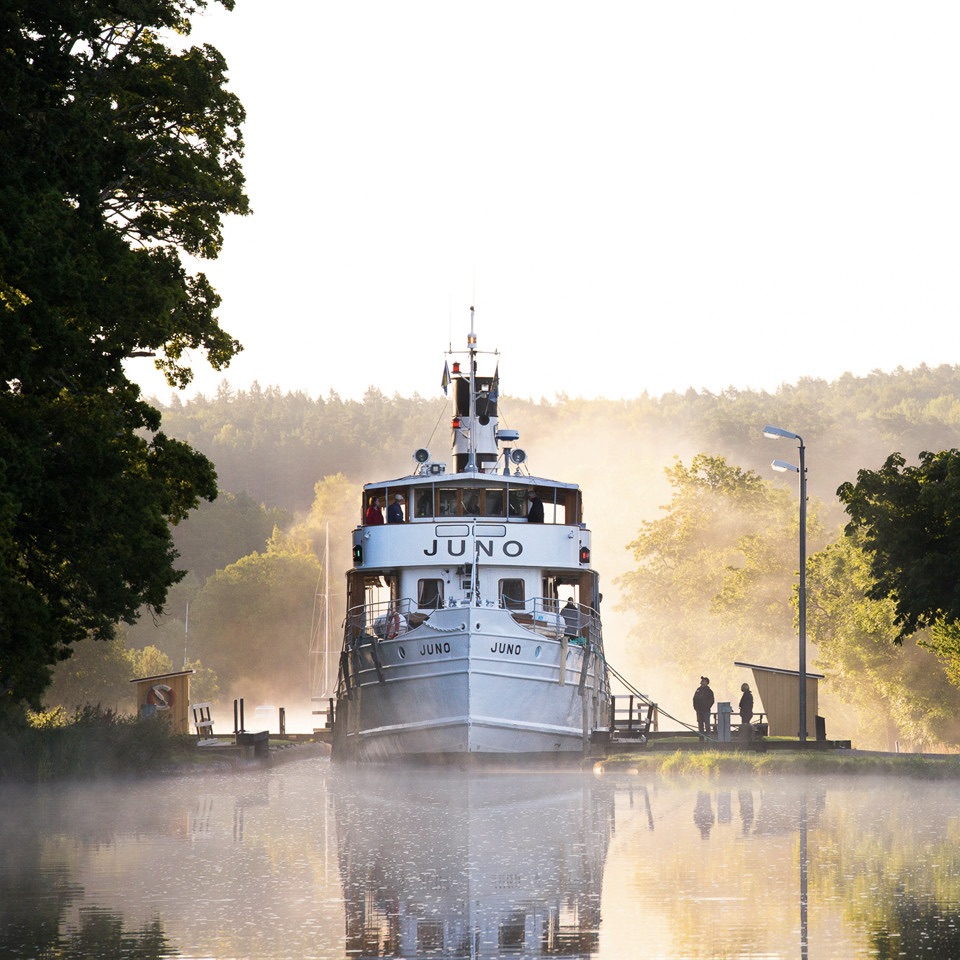
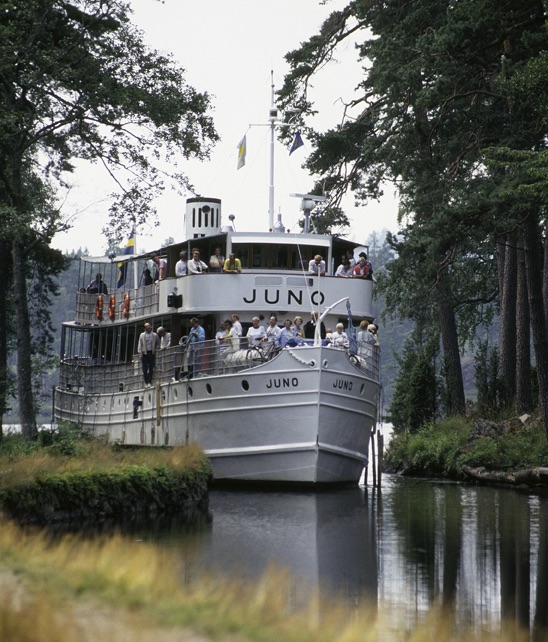
The M/S Juno on her inland voyage


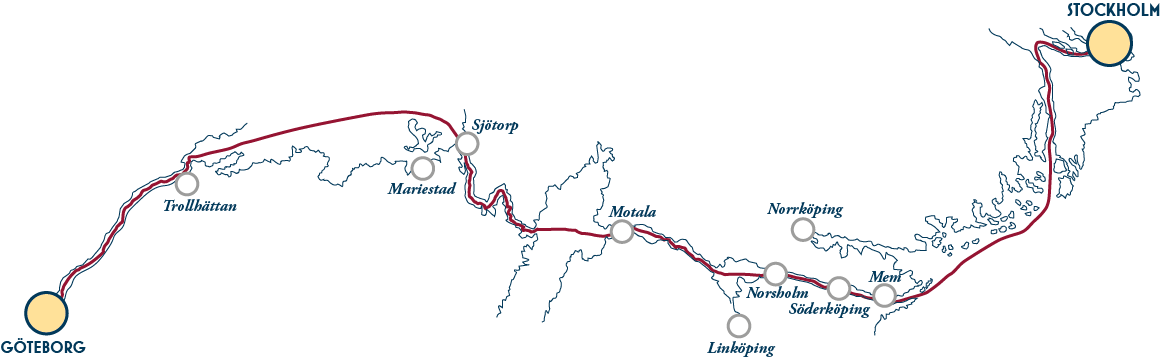
Did you know that it’s possible to book a safe and enjoyable overnight passage on a small ship that was launched over 150 years ago, in 1874? The M/S Juno, built for and still ‘sailing’ on largely inland waters in Sweden, is the oldest registered passenger-accommodating ship in the world. At about 100 feet in length, and with only 24 cabins, she is tiny compared to the grand vessels now being launched for the cruise industry. Not well-suited for ocean crossings, the Juno is perfect for her comparatively short runs between the Swedish ports of Gothenburg and Stockholm. Her usual route takes her from salt water through inland canals and lakes, and then through salt water again to the Stockholm archipeligo of islands and the Baltic Sea.

Originally, the Juno’s superstructure containing her bridge, lounge and dining room, as well as some cabins, was significantly smaller when the little ship served to convey freight as well as travelers. But these days, after a century and a half of service, her mission continues as a passenger vessel. Her age and small size, as well as her historic purpose, account for the fact that modern day voyagers need to be prepared for limited amenities such as shared restrooms.

Juno transits one of many locks along her route

Her principal route takes her through canals and locks, as well as inland lakes, up and over the lower Swedish peninsula, with the highest point on the journey reaching a remarkable 300 feet above sea level.

An upper level cabin on the Juno
Juno’s dining salon

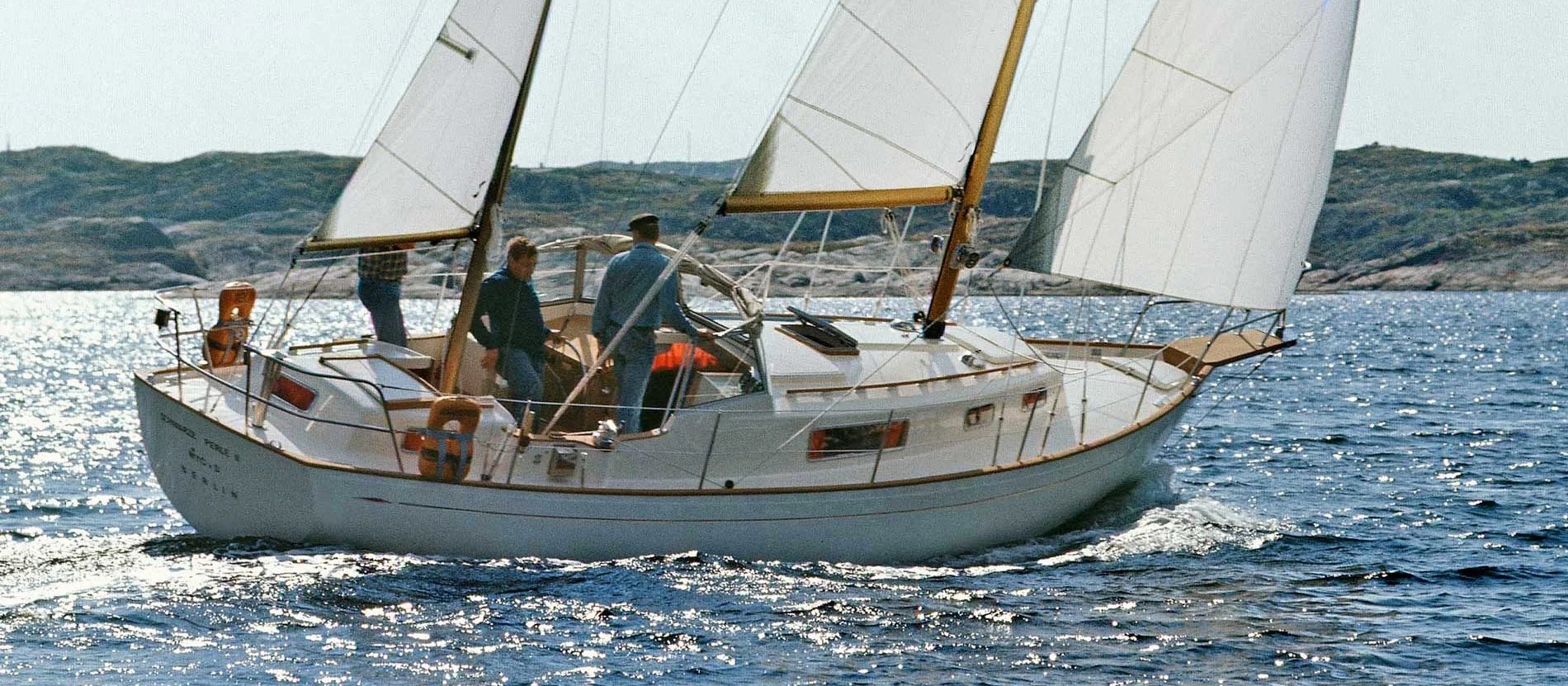
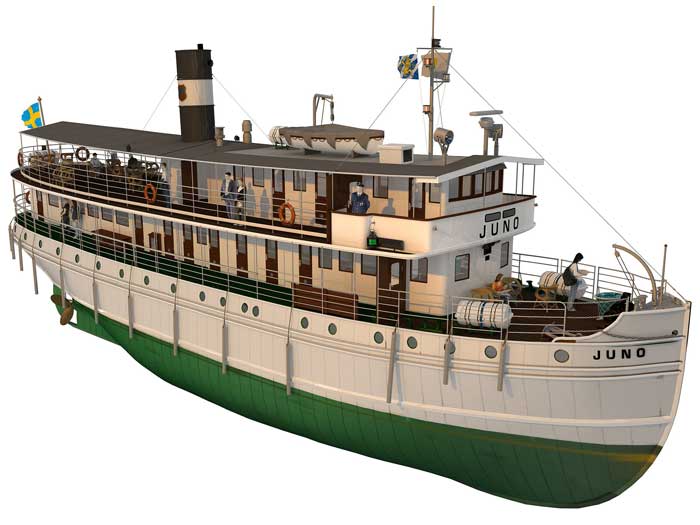
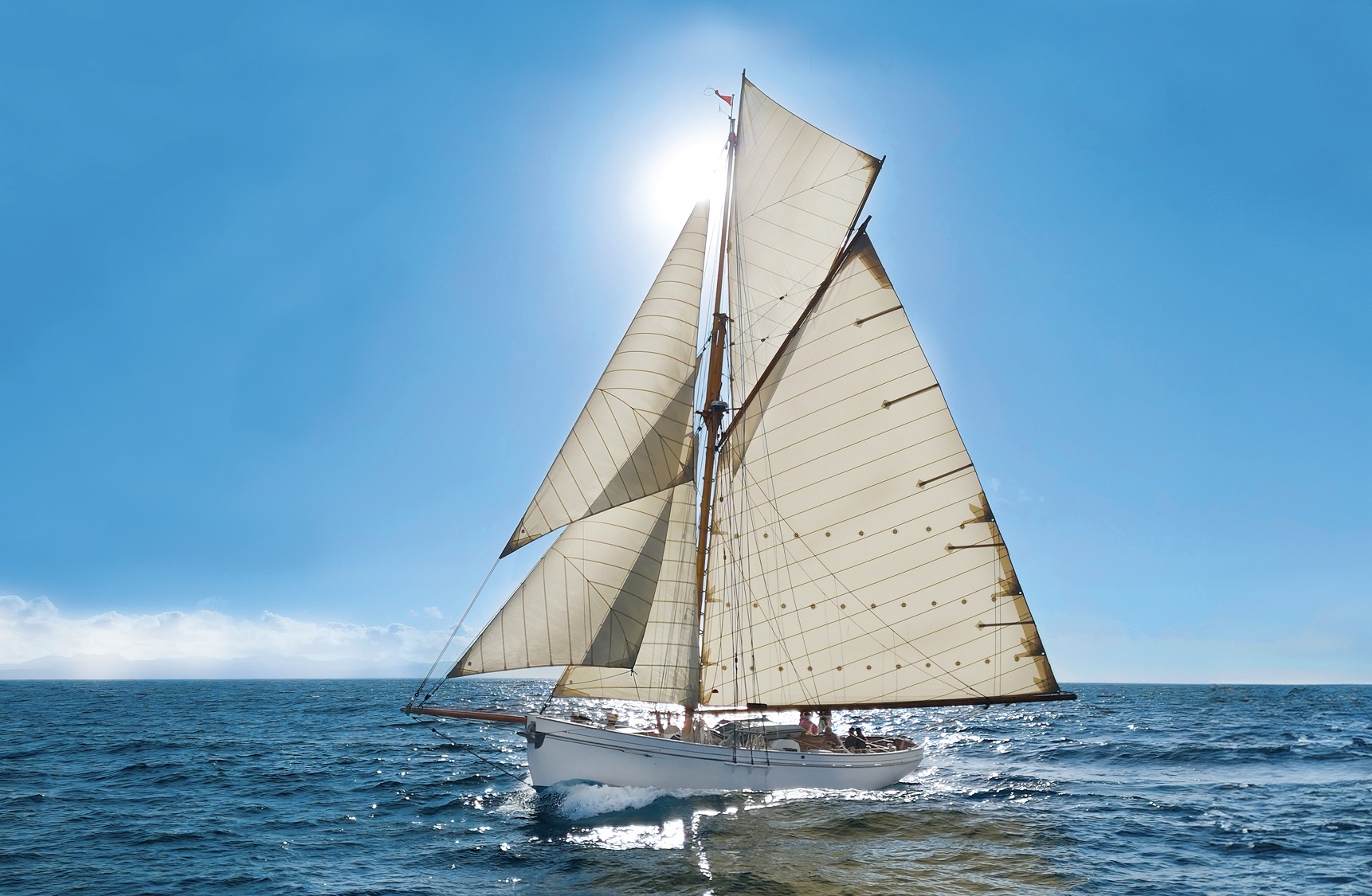
I love Juno’s diminutive size and her classic lines that feature an upturned stern. Her bow line, with a vertical sheer that is now being rediscovered in boat design, is particularly appealing to me, being the skipper of a vintage 24 foot sailboat displaying a similar profile. I would enjoy a berth in one of Juno’s small cabins, resembling as they do old time railway carriage compartments. I think that Martha and I would appreciate the intimacy of sailing with a relatively small number of fellow passengers as well as the proximity of the up-country scenery along the route.

Juno’s upper level stern deck
A vintage photo of Juno taken before the lengthening of her superstructure

My great-grandfather, August Anders Holmgren, hailed from the northern seaside city of Sunsvall on the Baltic coast of Sweden. He emigrated to America in 1893, sailing most likely from Gothenburg, via Liverpool, to Montreal, and then by train to the Midwest just as many other Swedes had done before him. Perhaps my great-grandfather reached his ocean-going ship in Gothenburg via the Juno or one of her sister ships, sleeping on the floor of the dining room as many deck passengers did in the era when the Juno was still in freight service.

Juno’s route through Sweden

Given this personal history, I am sure that a short voyage on the Juno would prove to be a particularly nostalgic experience for me. My family connections with coastal Sweden, and my own experience of having crossed the Pacific Ocean five times by ship, help me to appreciate why I am so drawn to the Juno and the opportunity – some day, I hope – to sail on her.

A replica of Juno displaying her hull

Background note: I remember my surprise at encountering Cracker Bay, a 150 foot long private yacht (50% longer than Juno) with three decks above her water line, which one summer cruised into Round Harbor, Charlevoix, MI, from the Great Lakes. That year, as a vessel registered in the Cayman Islands, Cracker Bay was ‘manned’ by a family with young children and a crew of four or five. She took on $20,000 worth of gasoline supplied by a tanker truck parked near the fuel dock at which small craft like mine received a comparatively few gallons at a time. One of the children on Cracker Bay rode a bike over to the dock where my 15′ West Wight Potter was berthed, on which I was cruising for a couple of weeks. He marveled at the diminutive size of my boat, saying he wished he had one just like her!

Cracker Bay, with accommodations for up to 12 passengers, at Charlevoix, MI, in 2010

The Beauty of Faithful and Determined Courage

If reading this by email, please tap the title at the top to open your browser for the best experience. Then, clicking individual pictures will reveal higher resolution images.


Remarkably, Violet Jessop survived life-threatening illnesses during her childhood, having contracted both typhoid and tuberculosis. This was in a time of pre-modern medicine, when – in her weakened condition – both diseases (and others) could easily have taken her life. Then, as a young woman, she lost her mother to illness. Becoming her family’s primary income earner, she followed in her mother’s steps by serving as what was then called a stewardess on ocean liners. This position combined the roles of nurse and personal attendant, most likely assisting with the health and other needs of passengers traveling in First Class.

This choice of employment in a relatively modest role led to her unexpectedly remembered place in history. She survived not only the sinking of the fated Titanic (1912), but also the demise of the Titanic’s sister ship, the Britannic, in 1916. The Britannic was serving as a hospital ship when it struck a mine in the Aegean Sea. Before the sinking of those two ships, she had earlier survived the feared near-sinking of the eldest nautical sibling of the Titanic, the Olympic. In 1911, the Olympic accidentally struck the British warship, HMS Hawke, and was significantly damaged.

Many of us, if we had faced her circumstances following her rescue from the Olympic, might have reevaluated our occupational choices and instead sought a similar role to her ship-borne duties but one safely on land. Jessop, as we learn, chose otherwise. Upon the completion of repairs to the Olympic, she returned to her role on that ship, where she served until she was transferred to the Titanic the following year.

The Olympic (left) and the Titanic in Belfast on March 2, 1912

Courage, self-possession, duty to her family’s needs, and a continued desire to serve others, clearly numbered among Violet Jessop’s attributes. Perhaps easy to overlook, in this time of our social history, is another feature of Jessop’s character, her abiding religious faith and practice. Courage (or Fortitude), and Faith, are two of the virtues commended in the Christian tradition, and both were a practiced part of Violet Jessop’s spiritual life. Earlier on the morning of the Britannic’s sinking, while following her regular pattern, Jessop had attended mass on the ship in the company of medical staff and other caregivers.

The Britannic seen while serving as a hospital ship during World War I

Upon the Britannic’s encounter with a German mine, causing it to sink in less than an hour, Jessop’s lifeboat was pulled toward the still-turning propellers and into their direct path, crushing the boat and killing some of its occupants. She suffered a skull fracture, and was cared for by doctors with whom she had earlier been present at morning worship.

The size and kind of propellers that nearly took Jessop’s life

In spite of all this – including surviving three disasters at sea – Violet Jessop continued to work on ships for the rest of her career, and died in England at the age of 83.

In the life and experiences of Violet Jessop, we find a beautiful example of a congruence between her Baptismal vocation – one shared by all who have found new life through the font – and her chosen occupation in its serial settings upon the waves. In her later years, Jessop told a friend what had helped her survive and get beyond the multiple challenges she had faced. She summed it up by saying, “[It was] just the will to live. And a huge chunk of faith in divine intervention.”


The Beauty of Stone

Beautiful stones imported to south Louisiana


Here in southeastern Louisiana there is virtually no natural local stone. Geologists may differ about when and how it occurred, but generally agree that the original Gulf coast lay somewhere north of where I now live, between Baton Rouge and Memphis. What we do have here, as a setting for verdant plant and tree growth, is a lot of red clay and or sand, as well as the significant contribution of alluvial (river borne) soil. On this, our eastern and only slightly elevated side of the Mississippi River, they tell us we also have ‘loess’ soil, wind-blown from the west. In other words, where I live rests upon a legacy of materials brought here over the course of millennia – by mud-flow from the north, and dust storms from west.

Stone, as my earlier posts about our patio project suggested, therefore comes here from elsewhere, mostly I suspect by river barge. When visiting a local landscape stone vendor recently I was reminded of something I used to take for granted when living in the midwest or traveling in the far west. It is the beauty of natural stone, whether found on a Great Lakes seashore or on the banks of a Colorado river. What on childhood visits I appreciated seeing in abundance upon the north shore of Lake Superior, I now find to be an almost exotic discovery at a commercial location in Baton Rouge.

And, among the wonders of the handiwork of our Creator is the splendor of variously colored and multi-shaped stones

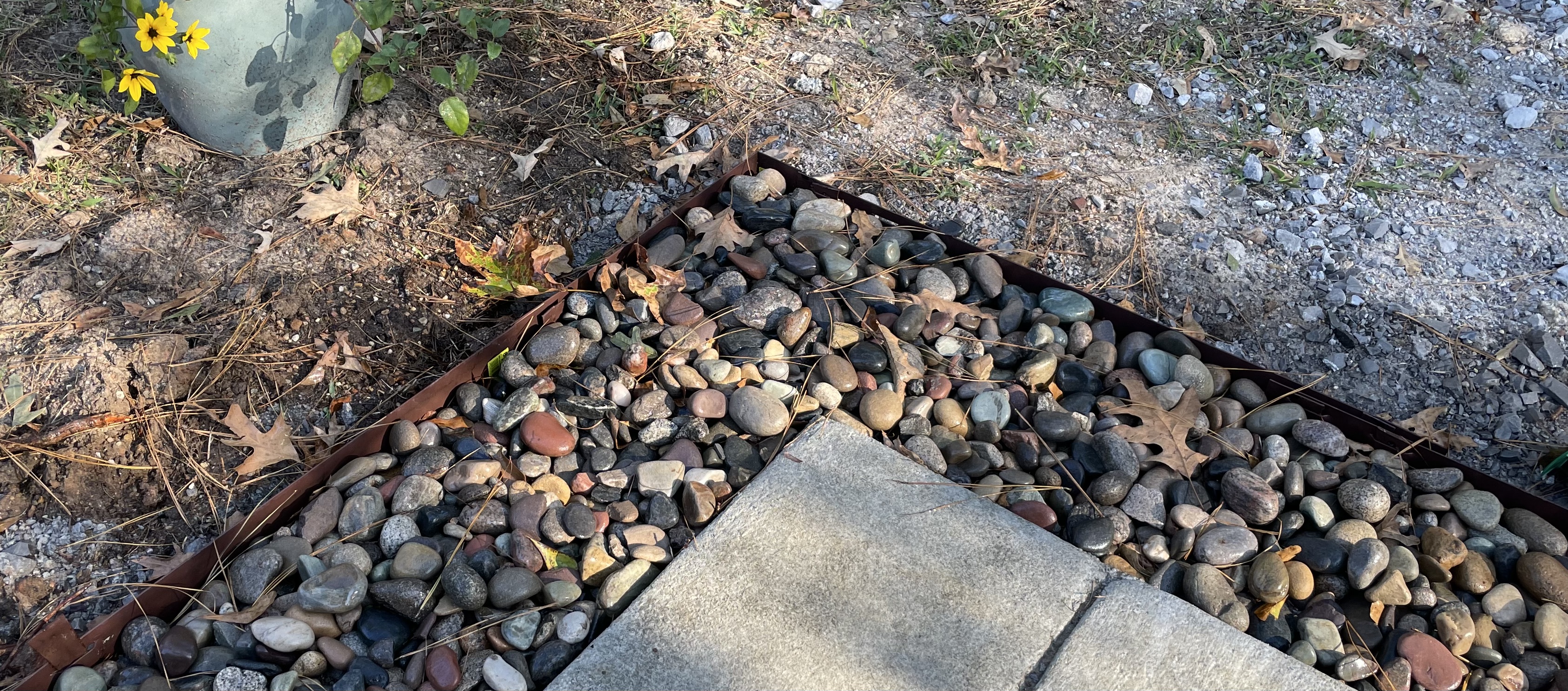
An unfinished stone border featuring ‘river rock’ from Colorado

Some years ago a teaching colleague shared a story from his work assignment in Saudi Arabia. On a free day, a local guide drove him for several hours through the desert toward the sea. Upon viewing the welcome sight of the water, he noted a large cargo ship discharging material into barges. He asked his guide what they were unloading, to which the response was, sand! “You’re kidding me,” he said. And then my friend learned to his surprise that the sand that has been blowing back and forth forever across the Saudi desert is apparently reckoned by many as worthless for construction, having rounded particles. Sand essential for concrete foundations and buildings needs to have edges, and come from Europe and elsewhere, to provide a proper binding material while the cement cures.

I am mindful of this story when I view the beautifully rounded and smooth rock that comes to us from far away rivers and lakeshores, after perhaps long eons of geological friction. I also rejoice in the variety of color in a material that might otherwise be as uniform as the sand in an Arabian desert, or on the banks of the great river just a few miles from our home.

Random Colorado river stone pieces

I am therefore thankful for the shaping and molding effect of God’s Providence upon me – even after what may seem like an unimaginably long time. Our experience through the rough and tumble of life can sometimes leave us feeling awkward and with uncomfortable or raw ‘edges.’ At other times, we may feel we have been smoothed and shaped in ways more attractive to others and to ourselves. The beauty here may lie in the wisdom latent in one of my favorite, but still-not-fully understood, verses from the Psalms: “You have showed me great troubles and adversities, but you will restore my life… (Ps 71:20)” For why would God show me adversity other than as an act of positive love? And, why would God not to seek to bring us together into a beautiful fellowship within God’s own being? Especially when it may be ambiguous as to whether we have jagged and or smooth edges!


One big ‘stone’ in my life has been Robert (Bob) Hansel, my former CREDO Institute colleague, to whom I owe much. When I first encountered him, he played a decisive role in helping me to discern that I was being called away from a tenured seminary teaching position back to parish ministry. His prior CREDO faculty role as a team leader changed many of our lives – not by persuasion, but by encouraging our personal discernment. Here, I want to acknowledge his wonderful story about his experience in Saudi Arabia (that he tells so much better than I can).

The Beauty of an Ocean Liner


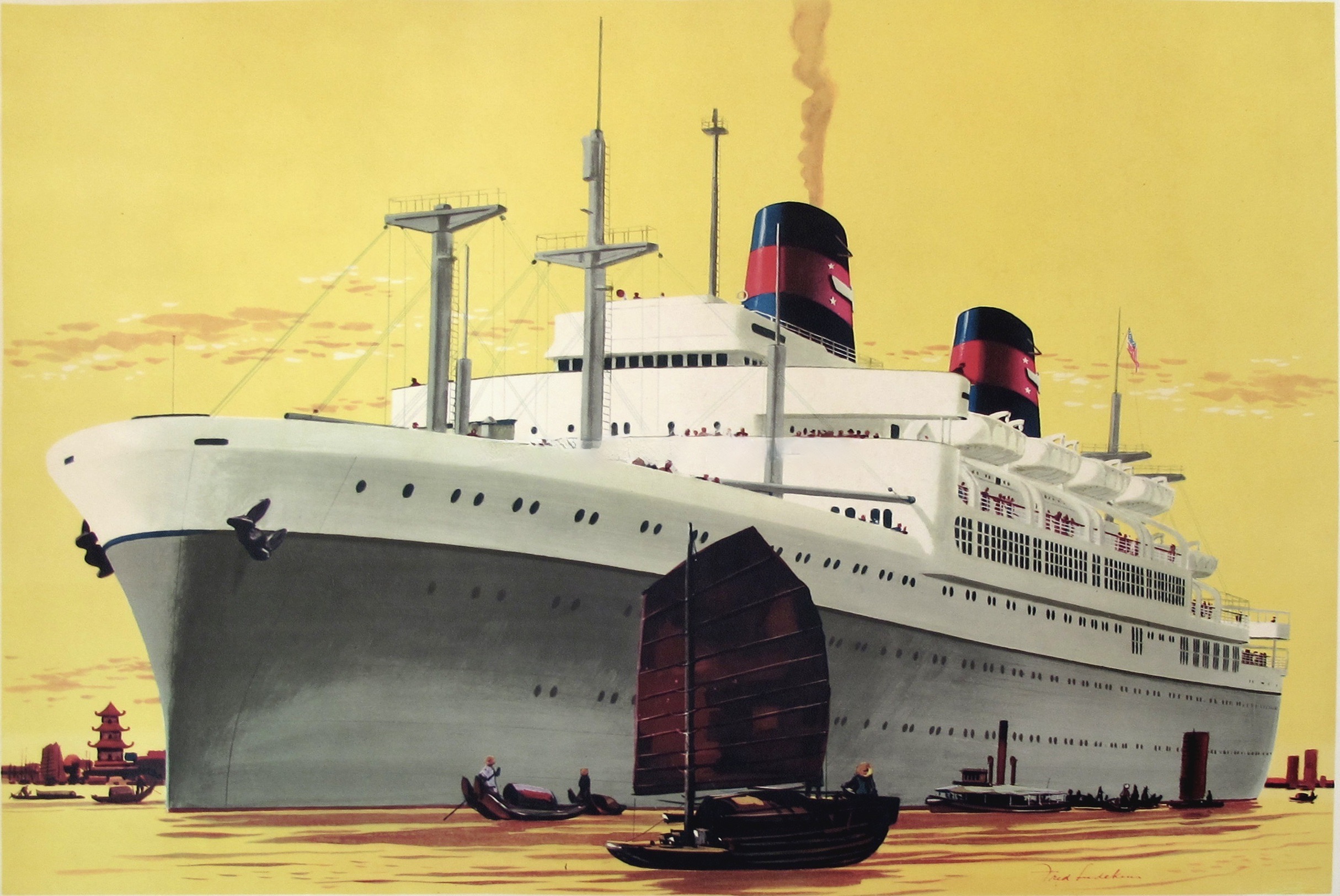
The American President Lines USS Wilson, depicted at Shanghai Harbor


In the mid 1950’s through the 1960’s most American civilians and non-military government officials moving to Southeast Asia traveled with their families and belongings by ship. My family traveled between San Francisco and Yokohama, Japan, five times between 1959 and 1969. Each voyage took 14 days, with a morning to evening stop in Honolulu each way. As a result, I spent ten weeks on the ocean on either the USS President Wilson or the USS President Cleveland, sister ships that alternately plied that route. A most vivid memory is of passing under the Golden Gate Bridge, looking up from the deck.

In addition, my parents were engaged as faculty on a university study-voyage on the South China Sea for about a month in the spring of 1969, on an old chartered Russian ship that formerly was a WWII era German liner. My brothers and I got to go along. We stopped at Cambodia’s first port (Kom Pong Song / at the time just one short and lonely pier), and then at Bangkok, Singapore, and Hong Kong.  ‘Complicated politics’ at that time kept us from docking in South Vietnam, as originally intended.

My younger brothers and me, with our parents, about to depart in 1966

This could have been me and my brother, arriving by ship in Japan, in 1959

Before the era of single class and entertainment-oriented ‘cruise ships,’ ocean liners primarily served the needs of individuals and families relocating to multi-year assignments overseas. Like numerous government officials and their families, and unlike business travelers, my missionary parents were booked in the lowest price range cabins in the first class category of the ships. This was in markedly different circumstances from those who traveled in the aft, more crowded and yet rather limited economy section. Though we had smaller and more sparse cabins compared with those in the top tier, we had meals in the same dining room and enjoyed the same public areas and entertainment options as all others in first class, as well as by the Captain and his senior staff. And in the course of a two-week long voyage, people from very different backgrounds and circumstances became unanticipated acquaintances and in some cases lifelong friends – an unexpected and beautiful thing.

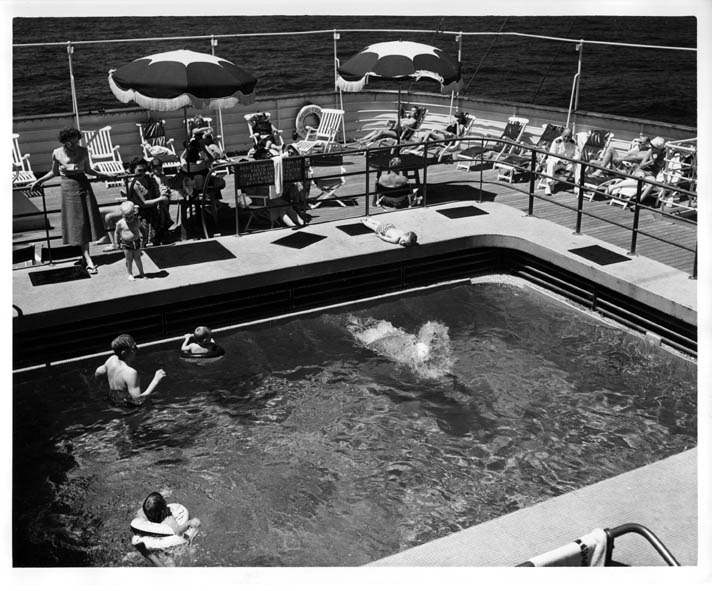
An upper-deck photo of the Wilson en route

Each voyage departure in that era was a real event. The docks were crowded with well-wishers, and folks onboard were given multiple reels of colored paper streamers. We were then encouraged to hang on to one end, and throw the streamer reel toward those on the pier below. Soon, the links between the ship and those on shore were heavily laden with these colorful streamers. And slowly they were broken, one by one, as the ship moved away from the dock area toward the open sea beyond, all the while blasting one of the loudest sounds I have ever heard. Our connection with one world symbolically was broken as we were pulled back, and towards another. This once again brought people from remarkably different backgrounds together.

I remain most grateful for our ocean voyages, which allowed a graceful transition between progressively differing time zones, in addition to all the fun we had on the way. At that time, traveling by jet between the continents seemed like the luxury way to transit the oceans. Now, in retrospect, though the two ships were comparatively modest in relation to modern cruise ships, voyaging on the Wilson and Cleveland was clearly the preferred way to go! For we were all pampered by the ship’s crew, from the uniformed waiters in the dining room and lounges, to the attendants who brought refreshments like ice cream to the inside and poolside teak deck chairs.

Children were especially cared for, in the day-long Marco Polo room, where activities and snacks were provided without interruption. Amazing to me and my brothers were the plastic model car kits simply given to us to help occupy our time, when we were not swimming.

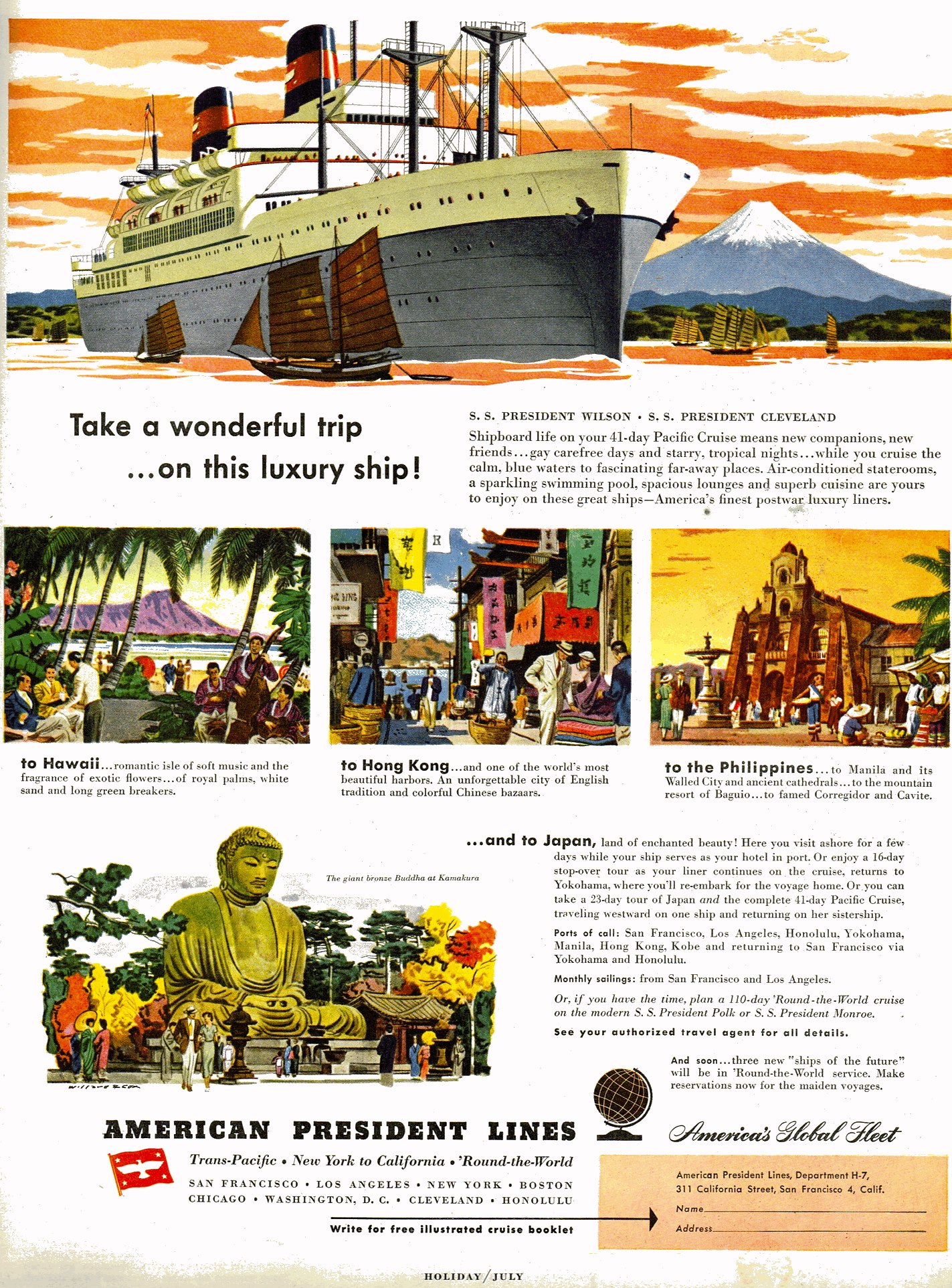
An American President Lines magazine ad from that era

Among my childhood recollections, some of my most significant memories of beauty, in so many forms, are attached to those voyages on what seemed to be the most remarkable ships.