
I continue to be grateful for things I have learned from my former teaching colleague, Ralph McMichael. Among the insights I have gained from him is one way to sum up some basic understandings that people have of the relationship between Nature and Grace. Whether by these names or not, we all seem to have a concept of this relationship. Nature, an all embracing category, is the common term widely used to refer to what Jews and Christians call Creation. Grace is a term that some use to refer to the presence of the supernatural realm, as it may touch upon or be found in Nature.
There are many ways of thinking about the relationship between these terms, and what they represent. Among them are four basic concepts or models of the interaction between them, which Ralph McMichael often presented in his teaching at the seminary. His articulation of these four ways can be summed up with four words: Compatible; Opposition; Identification; and Fusion. The most common understanding of the interaction between the supernatural realm and the natural world is represented by the first two terms. I will explain.
Many of us were raised in social environments where this interaction was seen as one in which the supernatural, or Grace, only episodically touches aspects of the natural world, or Nature. Based on the first model, some of us tend to see this interaction as involving the compatible yet occasional way that Grace touches Nature. It touches Nature here and there, unpredictably ‘gracing’ the natural realm in which we find ourselves. In this first model, Grace is a friendly presence to and upon those beings or things that it visits, making up for something of value that we seek or yearn for.
In the second model of the relationship between Nature and Grace, the latter is once again seen as episodic, touching Nature just as unpredictably. But, in this case, Grace – although sometimes also friendly – can appear to be incompatible with some things it touches. In this view, while Grace may be friendly to Nature, aspects of Nature may be unfriendly to Grace, and opposed to it!

The third model for understanding the relationship between Nature and Grace might not be as familiar to many of us, and it may represent a reaction to the perceived inadequacy of the first two models. This third view has affinities with what is called pantheism, the view that Nature and Grace are so intertwined that they are indistinguishable. In this view, there is no separation between sacred and profane, or between God and the world, for – despite appearances and sometimes contrary experience – the two ideas or things are really one. Hence, according to this third mode of approaching the question, Nature is Grace.
McMichael referred to the fourth model as the Fusion model, one that he and many ‘catholic-minded’ thinkers commend. In this model, rather than seeing Nature and Grace identified as one entity, Nature is best seen as infused by Grace. With this understanding, we can see Nature and Grace as distinguishable but also as inseparable. Nature is graced. A theological extension of this idea is for us to say that ‘there is no place where God is not.’
In offering McMichael’s four models for understanding the relationship between Nature and Grace, I realize that I have presented a conceptually-dense set of ideas. Yet, I encourage you to consider them – and muse about them – for I believe you will come to recognize how you – like me – often assume one or more of them. Sometimes we think with these four models in overlapping ways, or at other times inconsistently when viewing one set of circumstances followed by another.

These four models, because they so fundamentally shape our world-view, continue to play a role in my reflection upon Art, Beauty, and the theme of Transcendence. I invite you to join me in reflecting on how these models for understanding the relationship between Nature and Grace might inform our thinking about Beauty, its presence in the world around us, and how Beauty is a fundamental aspect of our experience of the natural realm in which we find ourselves every day.
Here is one way to apply McMichael’s four models to how we think about Beauty:
- Beauty graces Nature episodically, in a compatible way.
- Beauty appears in Nature episodically, and challenges that which is other than beautiful.
- Nature is identified with Beauty.
- Nature is infused with Beauty, and thoroughly permeated by it.
If we identify with the fourth view, as presented here, we of course need to do some thinking about those circumstances when we are confronted by an encounter with ugliness, as well as with evil. We must then try to explain our experiences of these latter real aspects of what we encounter. Here, both-and thinking will serve us in a way that either/or thinking will prove unsatisfactory. And, hence, we must be sure to distinguish the Identification model (which tends toward pantheism) from the Fusion model (which can be consistent with traditional theism).

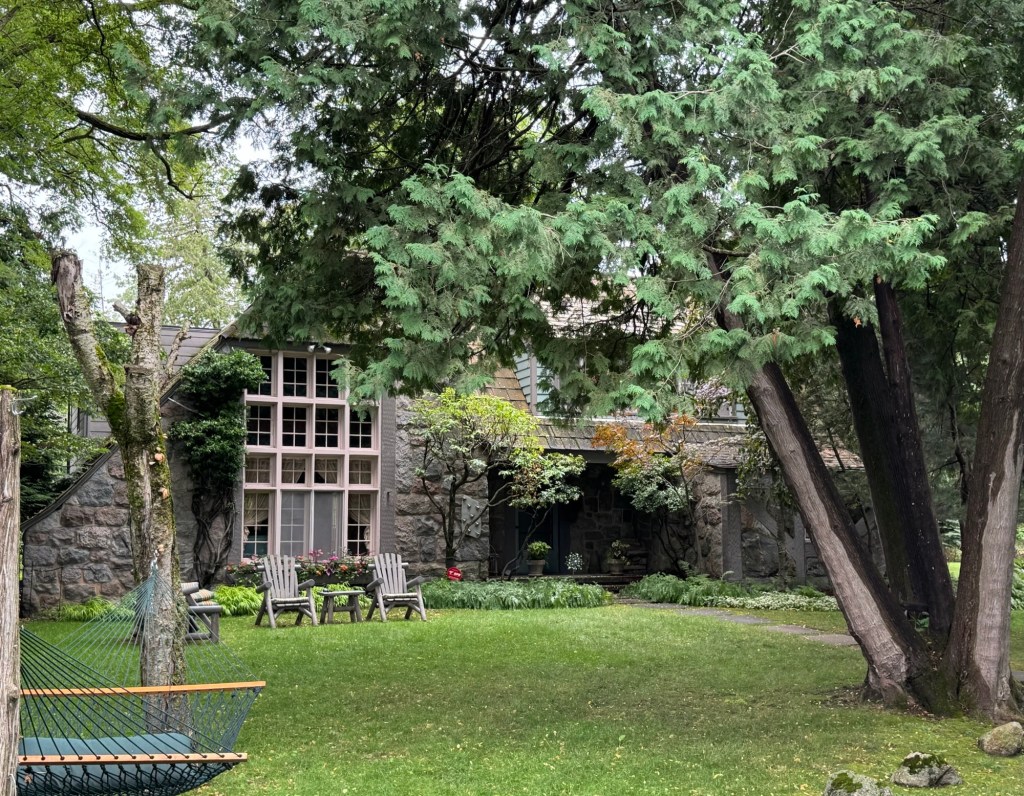
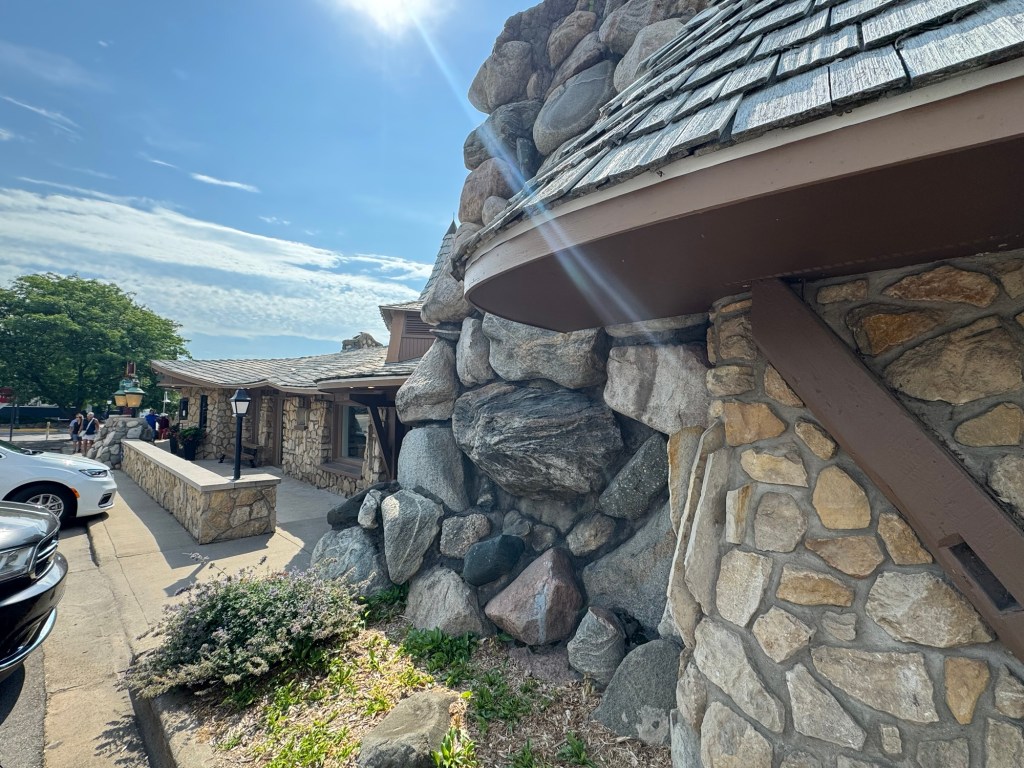
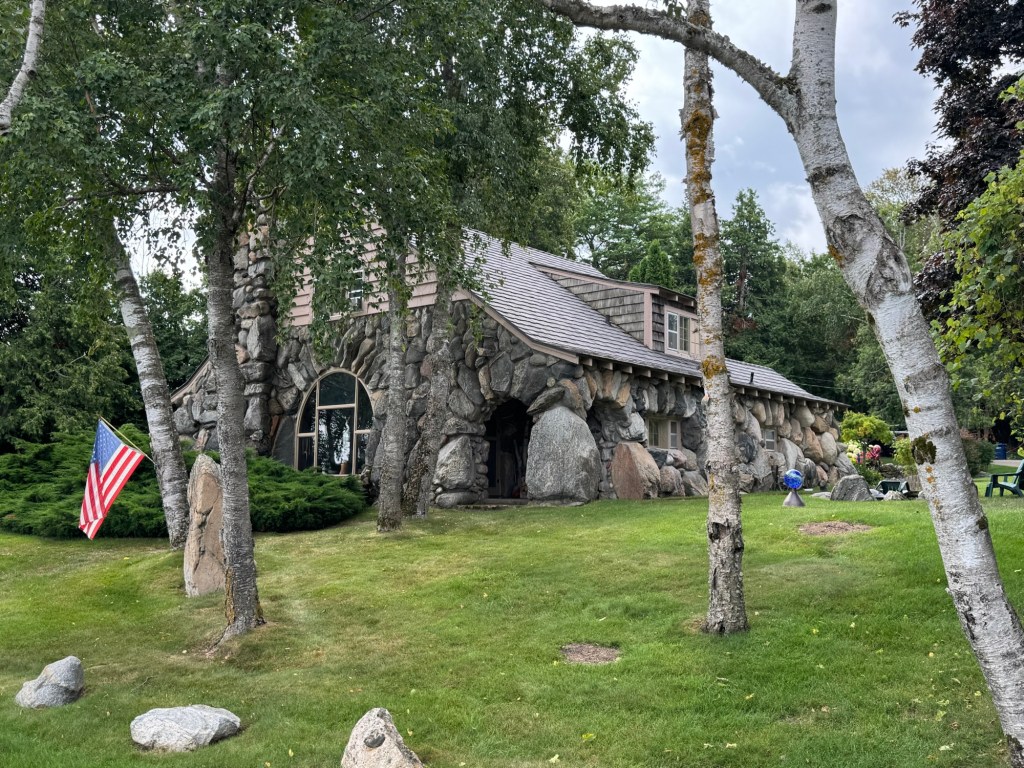
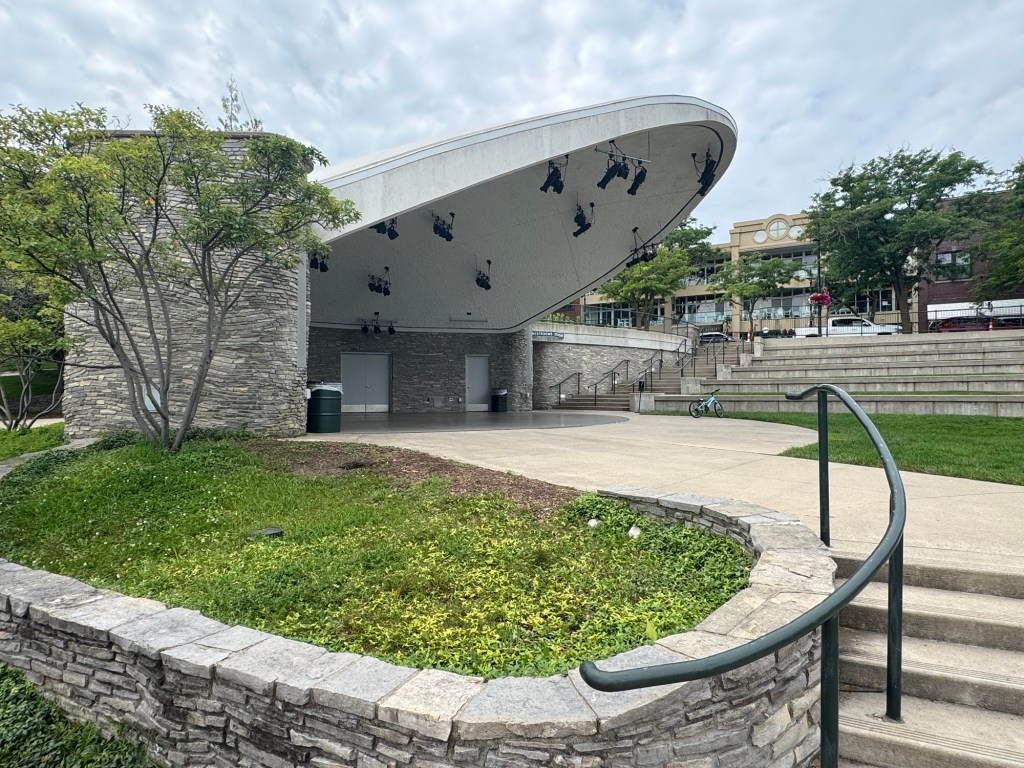
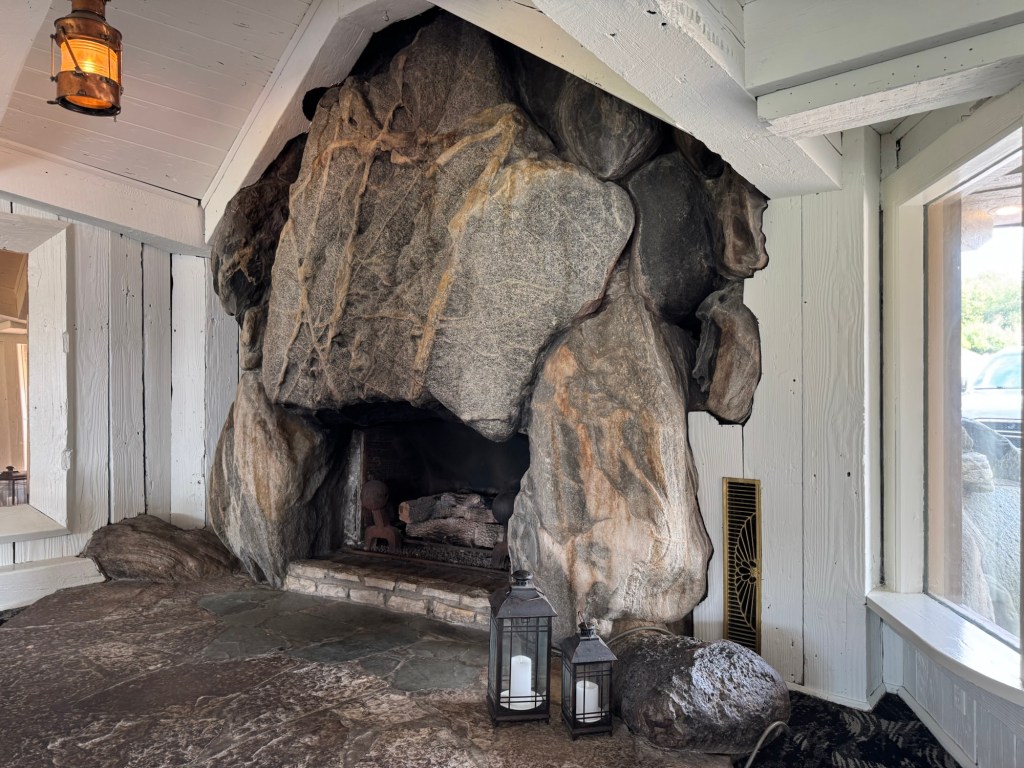
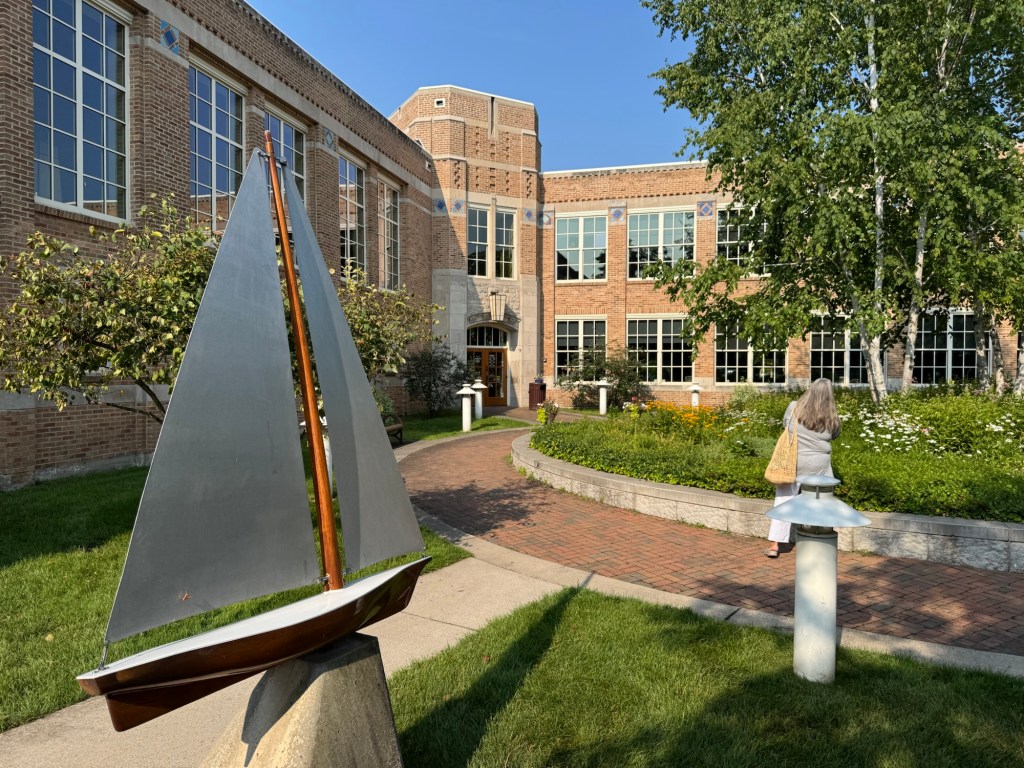
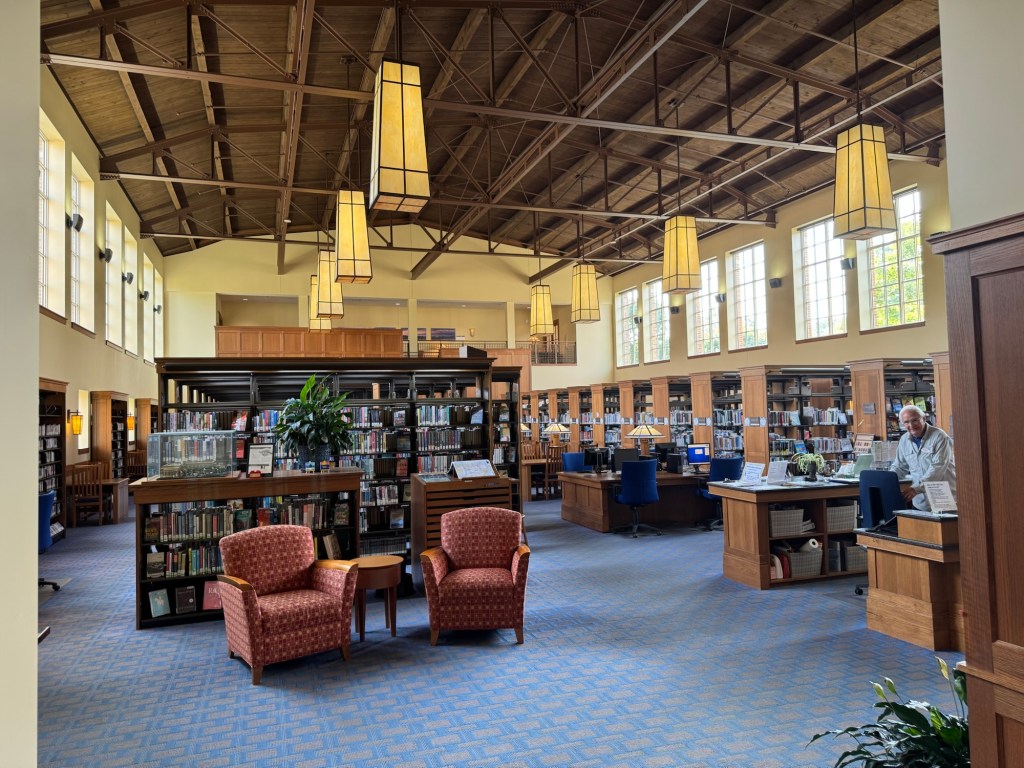
Additional note: the photos included in this post were taken in Charlevoix, Michigan, in the summer of 2025


















 Toward Beauty