Being a sailor, I appreciate what it means to reckon with the variability of wind and water, key factors that make successfully navigating a sailboat so much more challenging than contending with the same weather on the shore. As Captain Ron is often-quoted as saying in a humorous film, “If it’s going to happen, it’s going to happen out there.”
An old adage reminds us that there are old sailors, and risk-taking sailors, but no old risk-taking sailors. So, we learn to observe and attend to the present state of the wind and the water. Wise sailors don’t sail according to a calendar, but according to the conditions. Such a responsive approach to what we behold in the world around us is strangely antithetical to our modern often unexamined belief that we can gain control of almost everything.
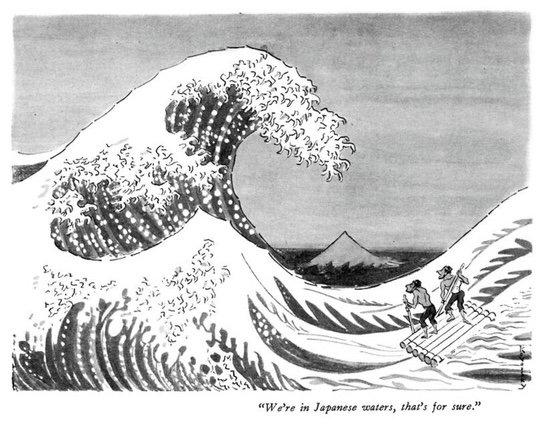
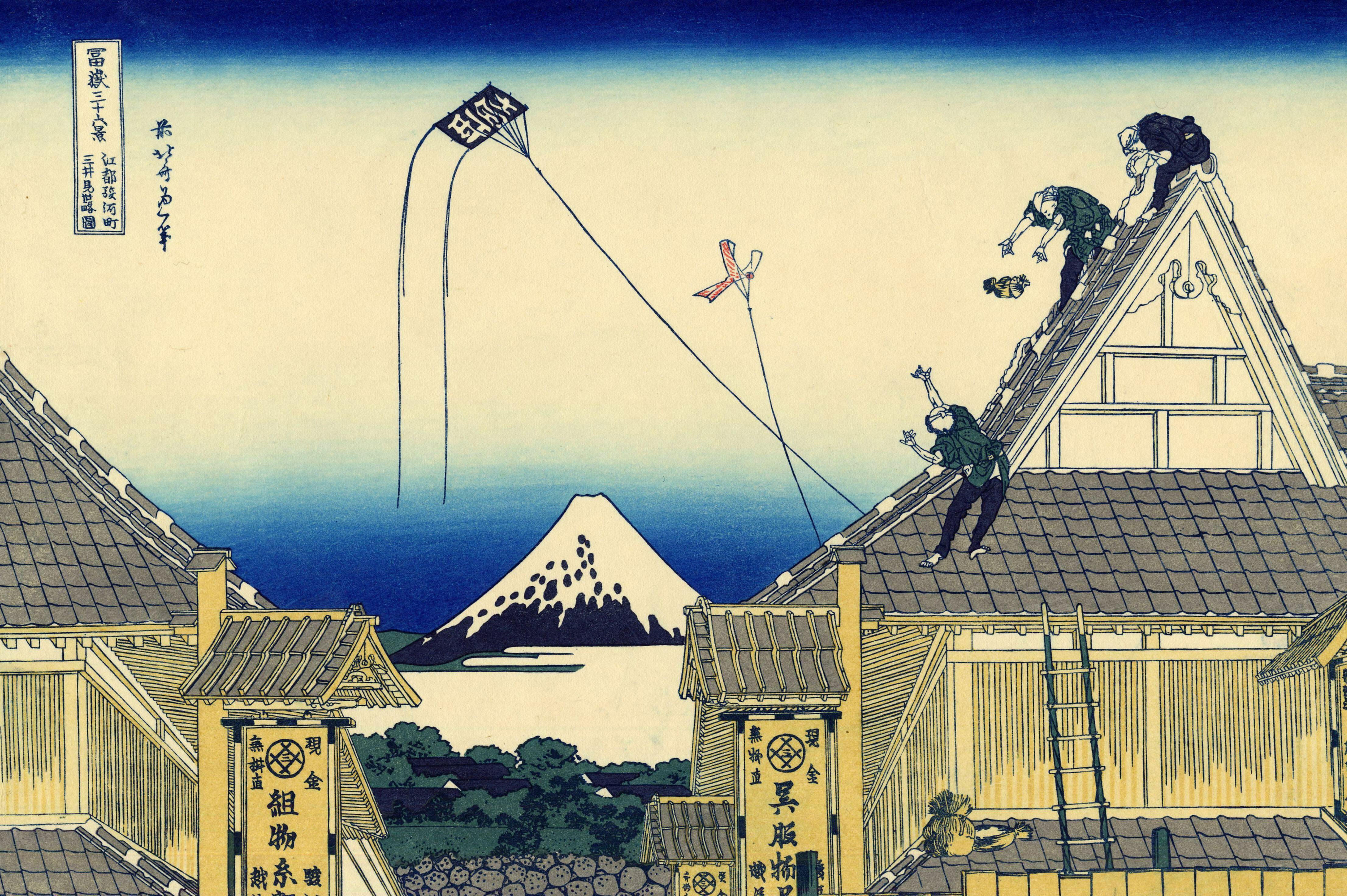
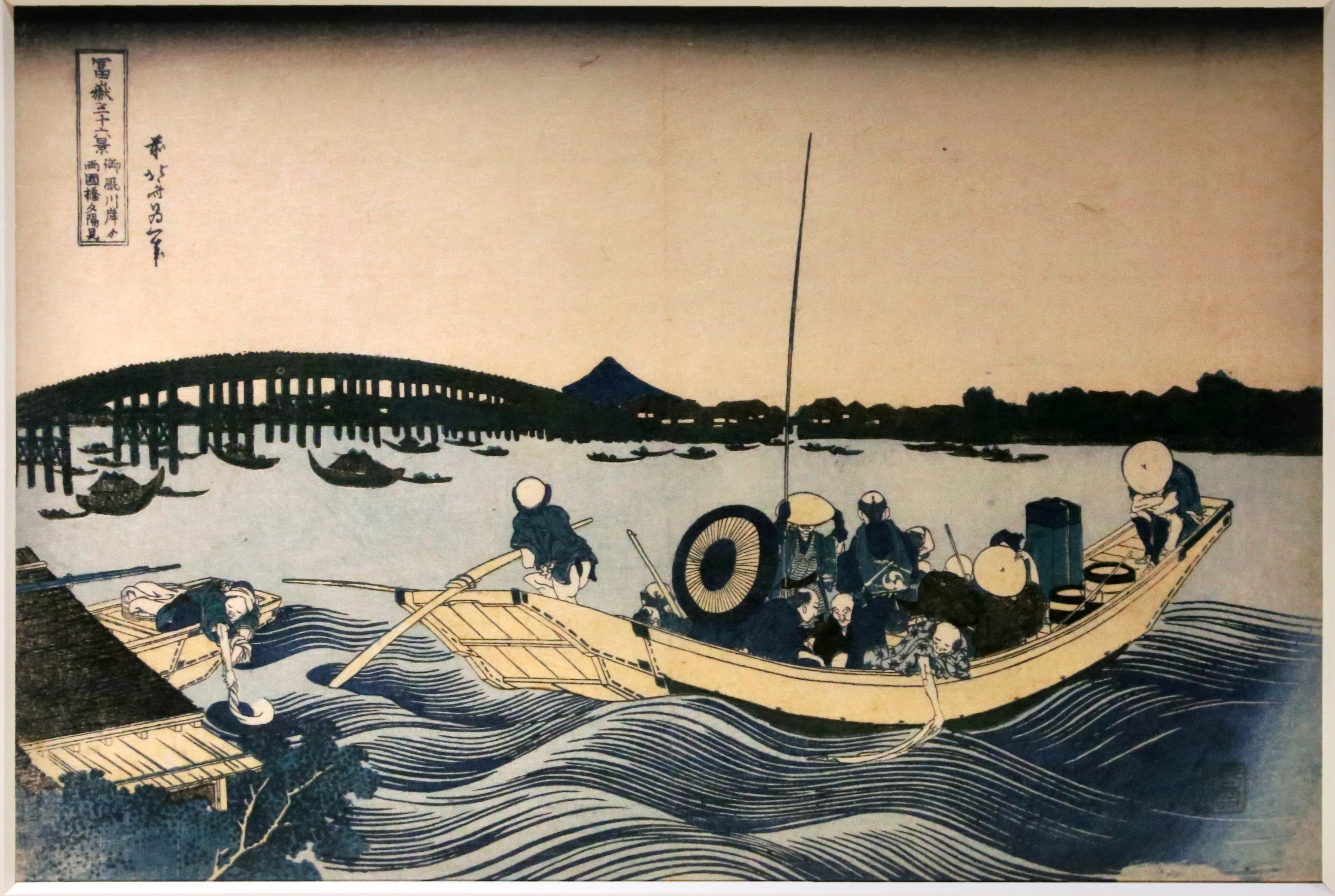
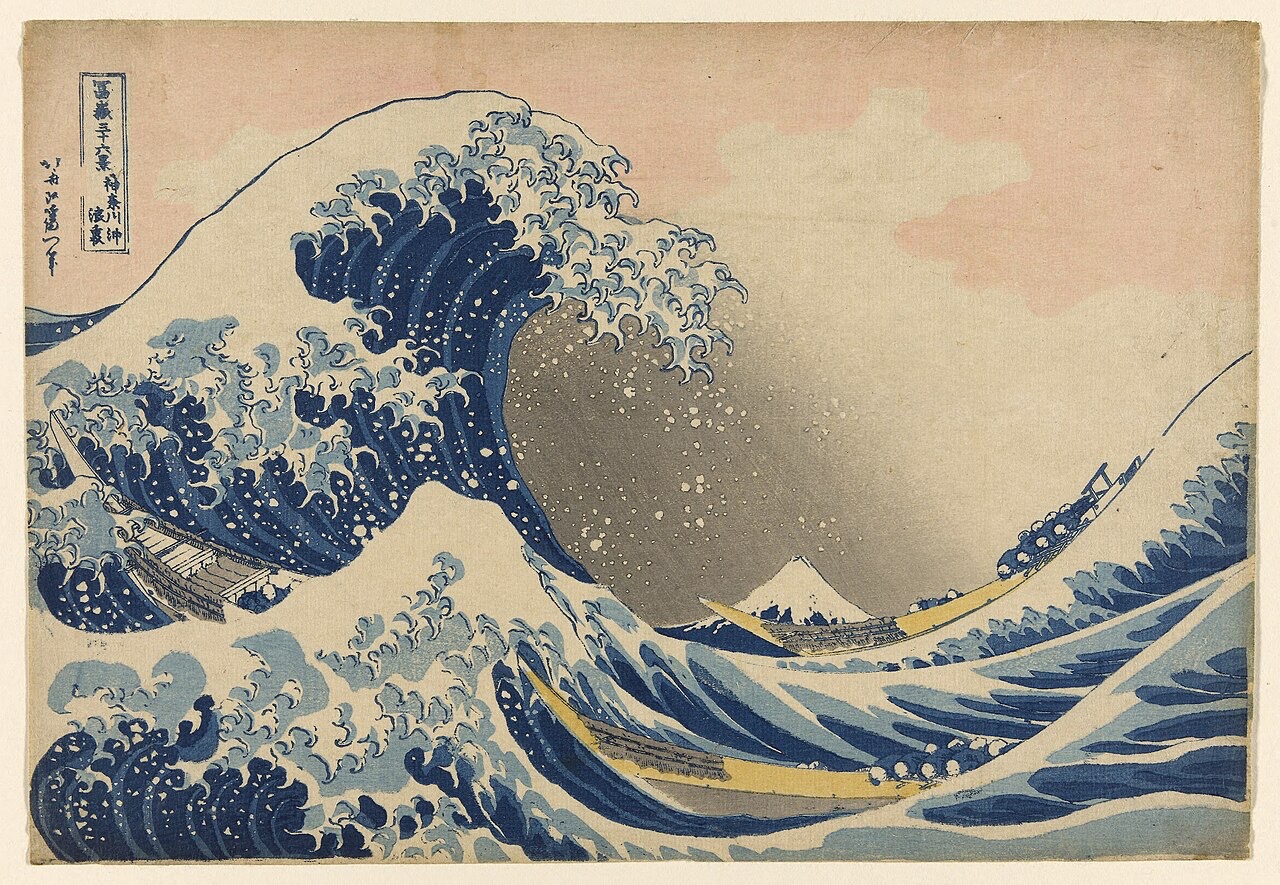
I think that one thing I learned from growing up in Japan was the quality of the calming effect of water. Like people all over the world, but especially those who live on island nations, the Japanese have a vivid and dynamic history of encounter with the power of water that can also be adverse to settled life on land. Over the centuries, they have cultivated a keen sense of the healing power of water in what strike many as spiritually-designed contexts. Yet, Japanese fishermen have for centuries fought and endured stressful circumstances in the seas, most especially off their eastern shore, with the deep blue Pacific beckoning beyond. Yet, that was the direction from which maritime trade with the West became most available, not neglecting their historic links with the southeast Asian peoples with whom they had historically traded and warred.
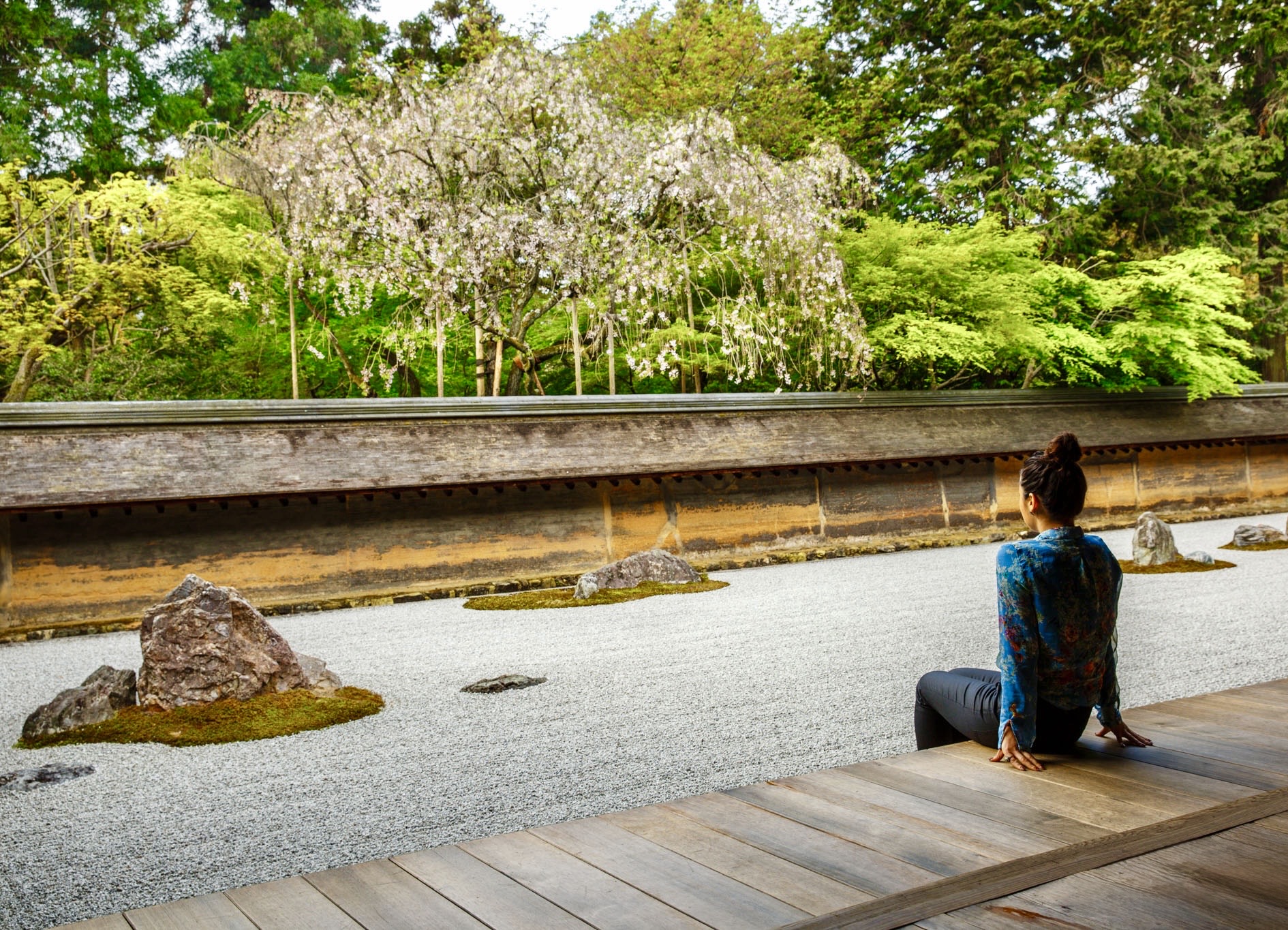
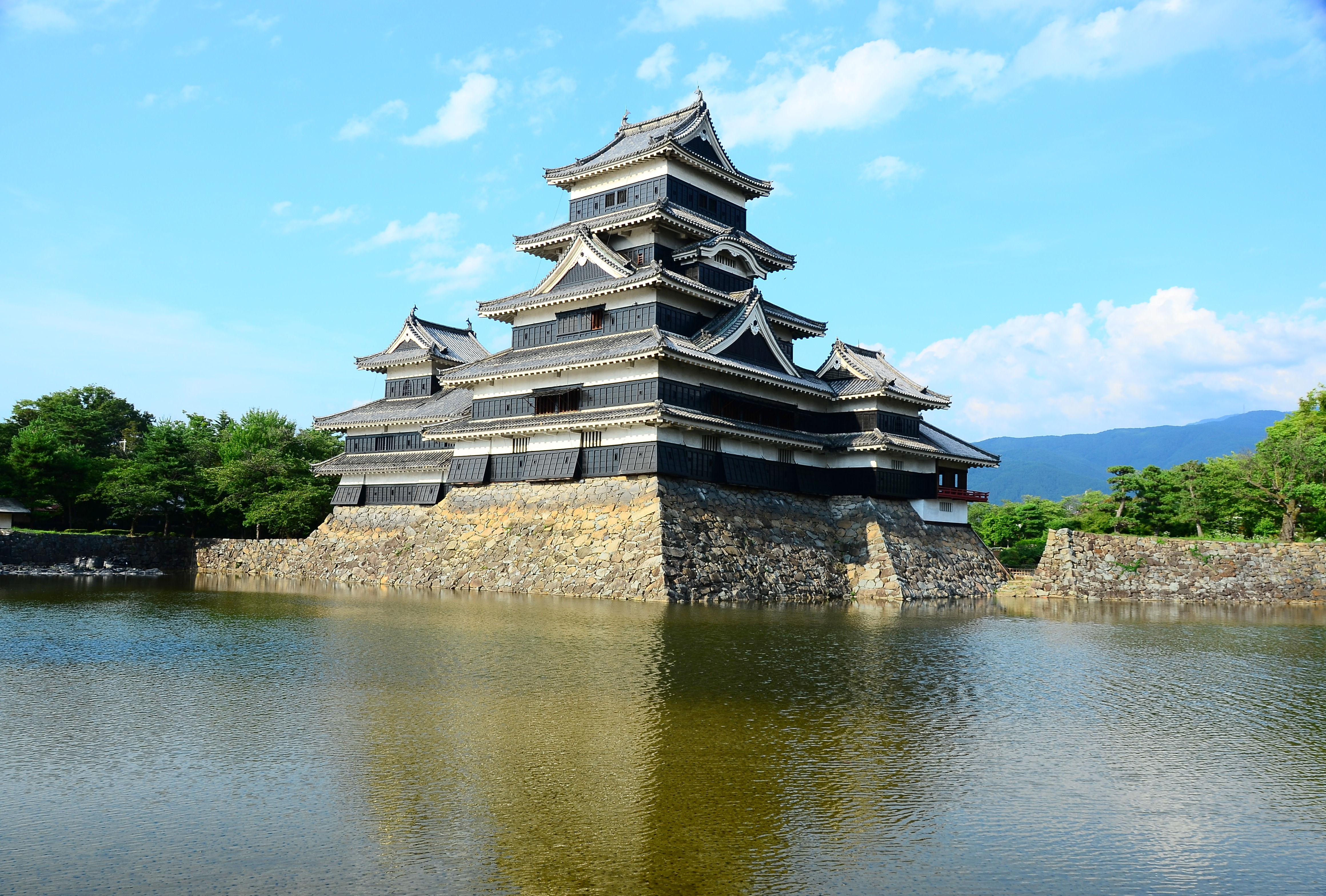
Think of what we often consider to be examples of Zen gardens like Ryoanji Temple in Kyoto, with its raked spread of dry pebbles mimicking the rippled surface of calm seas around stone islands, paralleled elsewhere by garden ponds for Koi and ornamental goldfish. Or the beautiful motes surrounding ancient castles, which provided safety from hostile neighbors as well as tranquility when circumstances were free from war-making.
My next brother in age order and I like to remember our first sailing experiences, bobbing in dinghy’s among large floats designed for securing ships in Yokohama Harbor, a principal historic seaport in which oceangoing ships often arrived. We did not really know what we were doing except responding to immediate circumstances, which is a lot of what sailing is about, especially when the sailors are at least minimally informed.
Water has latent power that is often not apparent to us. A quiet brook near our present boat slip still channels through the remains of an old mill, which harnessed the energy to be found in a stream only a few feet wide. And 19th and 20th century engineers, following the practices of a millennia of predecessors, saw in the movement of rivers running through peaceful valleys the latent energy to light up cities. Water seeks every opportunity to go where it is not, provided the least occasion to fill a void or find a lower elevation. Water can be one of the strongest abrasives, wearing down even the hardest rocks, especially when in frozen form as glaciers.
In view of all this, it is fitting that Jesus – as quoted by John – found in wind and water metaphors for life in the Spirit of God. For “the wind blows where it will” while we seek to be lead “beside still waters.”