If reading this by email, please tap the title at the top to open your browser for the best experience. Then, clicking individual pictures will reveal higher resolution images.

Ichimonji Kiku variety chrysanthemum – the basis for the Japanese Imperial Crest
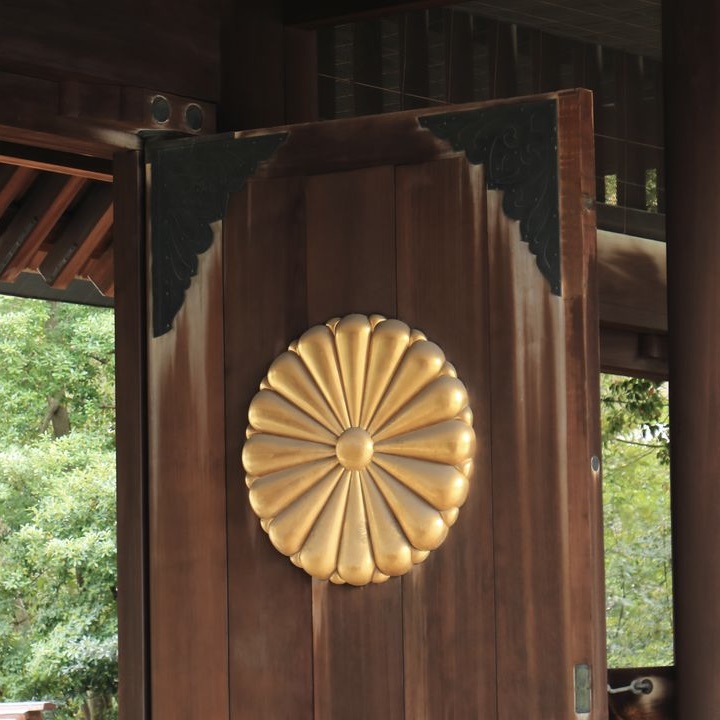
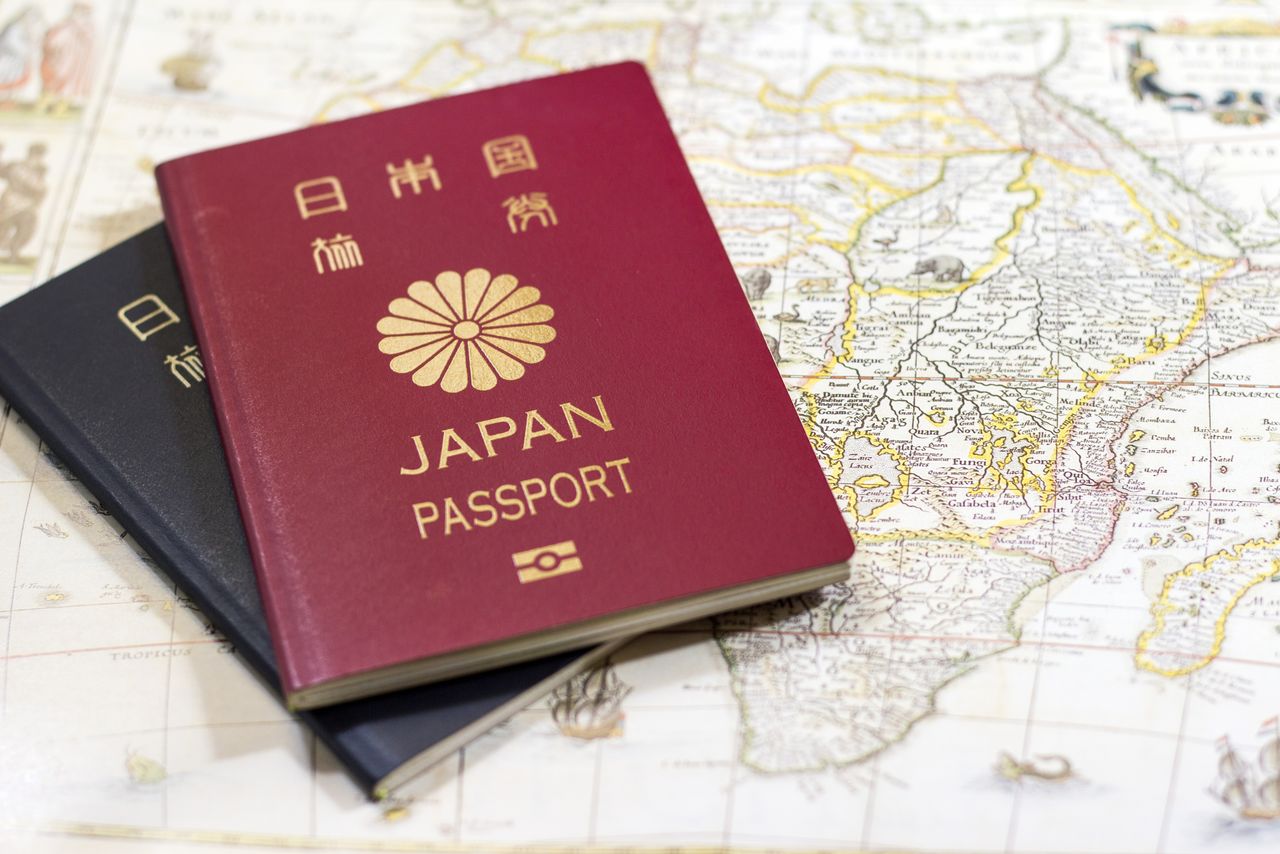
The chrysanthemum-based Japanese Imperial Crest, Yasukini Shrine, Tokyo, and on Japanese passports
Every year, in November, the residents of Tokyo are treated to the Kiku MatSuri flower show, the annual chrysanthemum exhibition featuring a most stunning display of flowering plants propagated by some of Japan’s most skilled gardeners and horticulturalists. Kiku is the Japanese common name for chrysanthemum (originally native to China), and matsuri is the Japanese word for festival. Geographically about 30 degrees north of the equator, Japan’s climate has some affinity with that of Louisiana, with hot humid summers, and occasional frosts and even a rare snow shower in Tokyo. Chrysanthemums appear to grow well in both regions.

A photo of the 1914 Kiku Matsuri (note how the gentleman wears a western hat with Japanese clothing and wooden sandals {geta})
In our country at this relatively same time of the year, we are used to seeing large containers of chrysanthemums, covered with abundant blossoms, offered for sale in displays outside large box stores and nurseries. Yet, they tend to be small blossomed plants, differing from one another usually only in terms of color. At the Kiku Matsuri festivals, many varieties of mums, some of them exotic-looking, are beautifully arranged for viewing in a very formal and traditional setting. Yushima Shrine in Tokyo often serves as a location for these displays.

Kiku Matsuri displays of mums outside Yushima Shrine, Tokyo (above and below)

I have strong and clear memories of walking around these remarkable chrysanthemum arrangements with my parents and brothers, and being astonished at the multi-blossomed plants with a wide spread of blooms, extending upwards from a single or a few stems. One version of this practice is known as Sanbon-Jitate, which features three large blossoms grown from a single stem. Each of the blossoms is symbolic, and represent the heavens, the earth, and humankind (as in the image below). Yet, clearly, all of the chrysanthemums on display at these annual festivals are in one way or another carefully and labor-intensively grown.

Atsumoto Kiku variety of mums (above), grown and featured in Sanbon-Jitate arrangements

The above bonsai, featuring miniature blossoms, provides another example of labor-intensively grown chrysanthemums
The Atsumoto Kiku variety of chrysanthemum (featured further above, and in the photos below) is a classic Japanese form of the plant, with its dense and thick blooms. This variety is propagated in many colors, among which the most beautiful may be the two colored Tomoenishiki variety.

Other examples of the Astumoto Kiku variety are shown below.

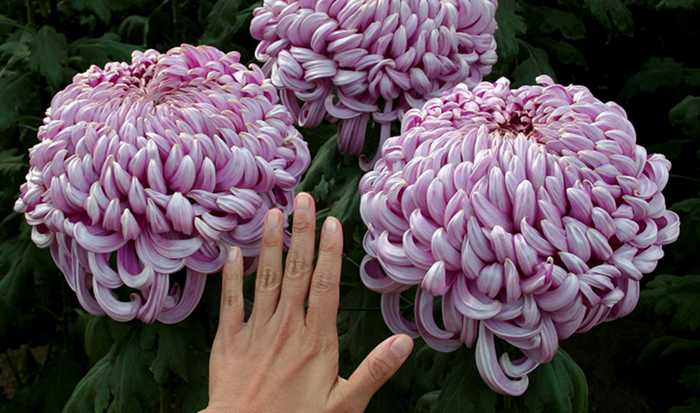
Another very attractive variety of Japanese kiku (or mums) is the Kudamono Kiku, known in English by the common name, spider mum, shown in the images seen below.


The propagation and cultivation of chrysanthemums in Japan by skilled gardeners reflects the highly refined aesthetic vision possessed and valued by many of the nations artisans, and by the wider society in which they live and practice their craft. The delicacy and exquisite beauty of many of these flowers, and yet the transitory nature of their flowering, speak to a cultural appreciation for what can be apprehended and enjoyed in the present moment, much like the way in which Japanese people (and foreign visitors) will in great numbers visit shrines, temples, and castle parks in the springtime to view the cherry blossoms.

Seeing these photos reminds me of the diligent care with which many Japanese gardeners, artists, and craftsmen engage in a lifelong pursuit of aesthetic perfection in a single area of practice, whether it is in propagating new forms and elaborate displays of chrysanthemums, throwing clay pots, writing in caligraphy, or seeking to make the most beautiful and durable sword. Though in each case individuals pursue the practice, it always seems to be in the context of a guild or society of fellow practitioners, and always with a significant degree of community awareness of the importance of this or that art for the wider society in which the practice of it is engaged.

Small and edible chrysanthemum blossoms added as a garnish to sashimi (traditional Japanese raw fish)
 Toward Beauty
Hi, Stephen! I never knew that “mums” could be so beautiful! I’ve always experienced them along with outdoor marigolds during this time of the year when there is nothing else available that isn’t $100 or that will die the following day. This is the case until poinsettas at Home Depot or Costco appear as an option to pick up to take to my Granny’s house or to Phyllis for Sunday lunch when they were both here on earth.
Thanks for spark of “lovely,”
Beth